



Applications for Ohio Farm Bureau Health Plans now available
Members have three ways to apply: contacting a certified agent, calling 833-468-4280 or visiting ohiofarmbureauhealthplans.org.
Read MoreIf there’s anything farmers understand, it’s uncertainty. From volatile weather to price swings to a global pandemic, they have persevered through it all.
The best way to protect against the unknown is with a sound risk management plan, said Mike Goins, Farm Credit Mid-America’s Regional Vice President for Crop Insurance.
“It’s the only way a grower can really guarantee their income,” he said. “There are so many risks, and crop insurance is how farmers can deal with those risks.”
While crop insurance is a must, policies aren’t one-size-fits all. There are many combinations of policies to choose from, and selections must be tailored to a farm’s unique circumstances. Goins recommends growers start planning now by knowing intended acres, what their average yields are and their cost of production for the upcoming crop year.
“Understand your business plan and get crop insurance for that specific plan,” Goins said.
With so many different policies – subsidized, unsubsidized, government programs– the selection process can be confusing. Farm Credit Mid-America has 64 non-commission-based agents across Ohio, Indiana, Kentucky and Tennessee, who continuously evaluate and analyze new policies and programs for customers.
“Choosing a policy is just one step in the process,” Goins said. “Having a knowledgeable agent and solid company behind you is key.”
Additionally, Farm Credit Mid-America customers have access to an exclusive data-driven tool that allows agents to use real-time data, including a producer’s unique, individual policy information, county data and specific crops and yields. The program then gives a variety of recommendations customized to that unique operation.
“There are a thousand what-if scenarios,” Goins said. “Our tool takes the guesswork out of choosing what’s right for you.”
Growers have until the March 15 sales-closing deadline for spring crops, but the selection process should begin now. Determining average yields, costs to plant, and potential risks will help growers and agents find the right policies.
“Get started early so you can understand your options and not have to make a rush decision,” Goins says. “With so much uncertainty, crop insurance is the best way to mitigate risk.”
To connect with a Farm Credit Mid-America agent in your area, contact 800-444-FARM or visit us at e-farmcredit.com.


Members have three ways to apply: contacting a certified agent, calling 833-468-4280 or visiting ohiofarmbureauhealthplans.org.
Read More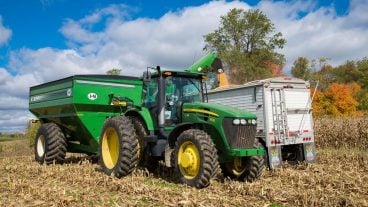
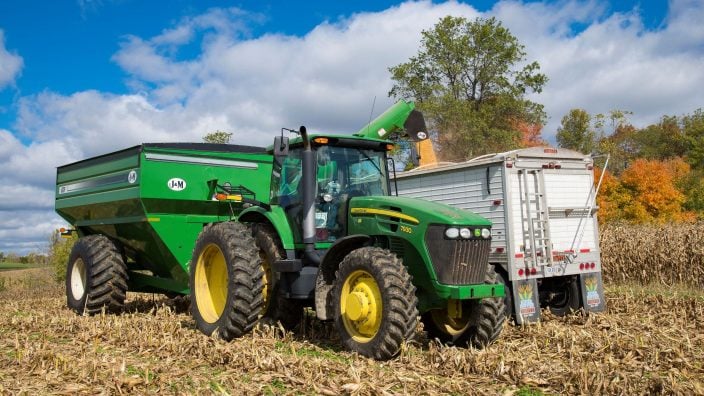
As fuel prices skyrocket across the state, lawmakers are preparing to return to the Statehouse to vote on the temporary suspension of Ohio’s gas tax.
Read More

Since 1984, the Conservation Farm Family Awards program has recognized Ohio farm families for their exemplary efforts conserving soil, water, woodland, wildlife, and other natural resources.
Read More
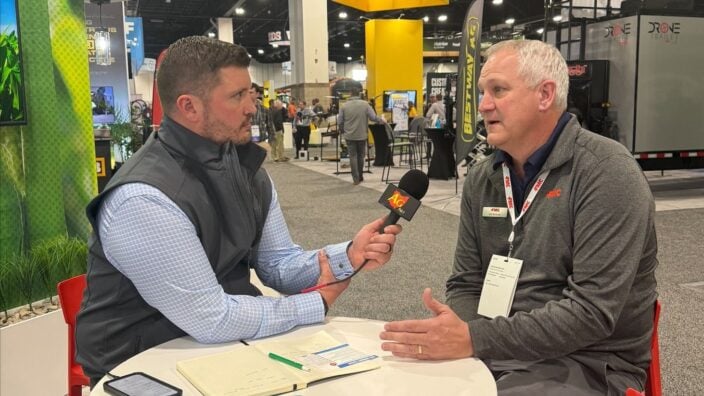
Meet Joe Everett, a Shelby County Farm Bureau Young Ag Professional who has dedicated his life to service, both in uniform and within his local community.
Read More
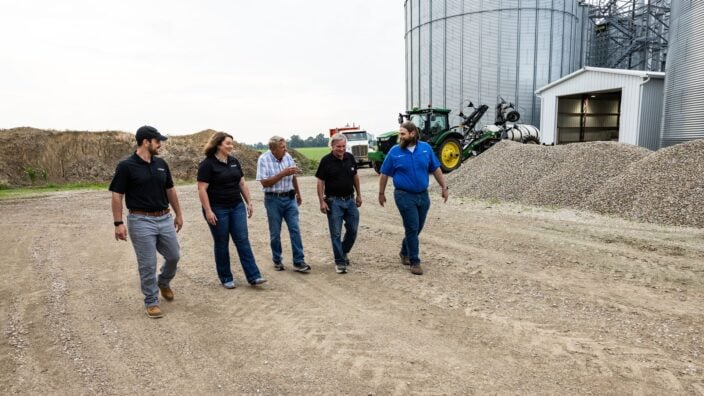
A year-end review provides an opportunity to evaluate your operation’s financial position, discuss future goals and develop strategies for the upcoming season.
Read More

Ohio Farm Bureau has created a new guide to help members better understand the laws, regulations and risk considerations that come with opening their farms to the public.
Read More
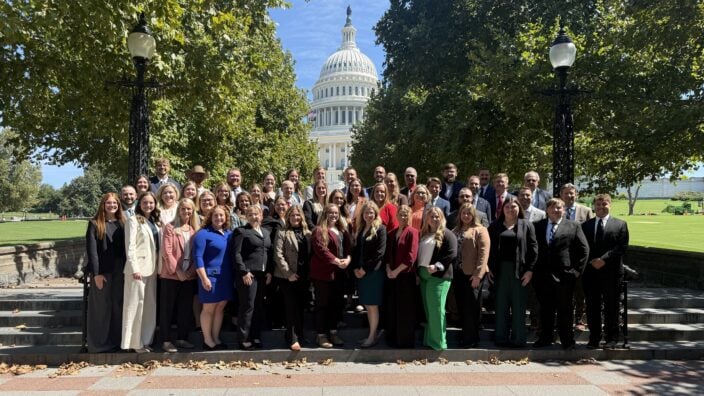
The groups received a firsthand look at agricultural policy, advocacy and leadership in the nation’s capital.
Read More
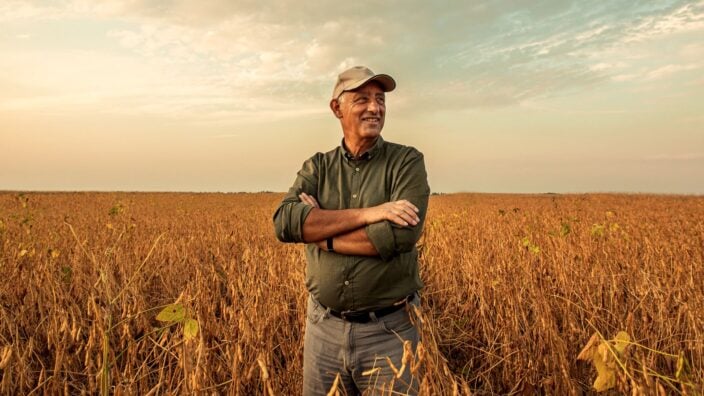
By prioritizing safety and health, you protect yourself and those around you, reduce downtime, and ensure your operation runs smoothly.
Read More
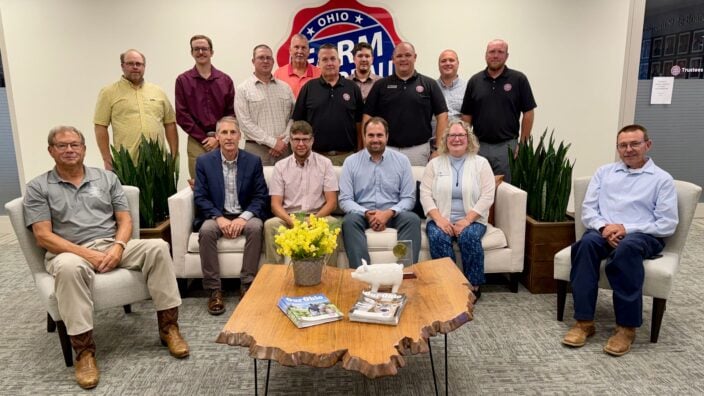
Twenty leaders have been named to the 2026 Ohio Farm Bureau Federation Policy Development Committee.
Read More
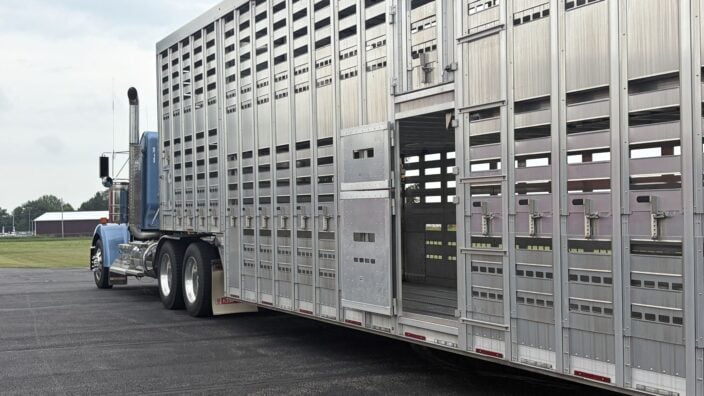
Two specialized, hands-on training sessions will address high-risk agricultural emergencies: manure pit rescues in confined spaces and roadside livestock transportation accidents.
Read More