

How market consolidation impacts small farms
Nationwide offers tools and coverage to help small farmers remain resilient in a consolidating market.
Read MoreTwenty years ago, trailers of commercial beehives moved through Ohio to pollinate anything with a flower.
Their stops included the state’s orchards, forage operations and David Paynter’s buckwheat fields.
In late summer during the crop’s bloom, Paynter hired commercial beekeepers who traveled from field to field to improve buckwheat yields.
“When you walked along the edge of that field, it was just solid bees on that buckwheat. They loved the nectar in it,” he said.
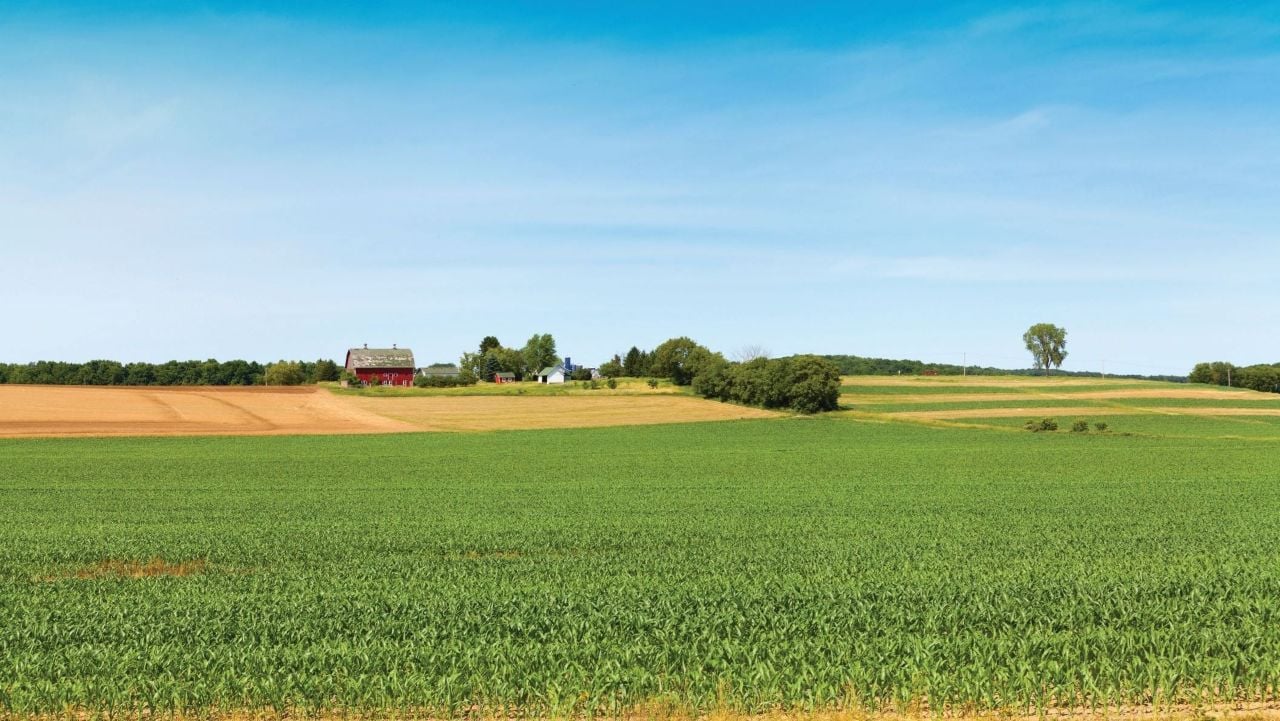
Today, those trailers pass through the state less often, as fruit and vegetable acreage has declined. The buckwheat that Paynter once grew also fell out of market demand, but he found a permanent set of pollinators for his 500-acre organic crop and forage operation in Crestline, Ohio.
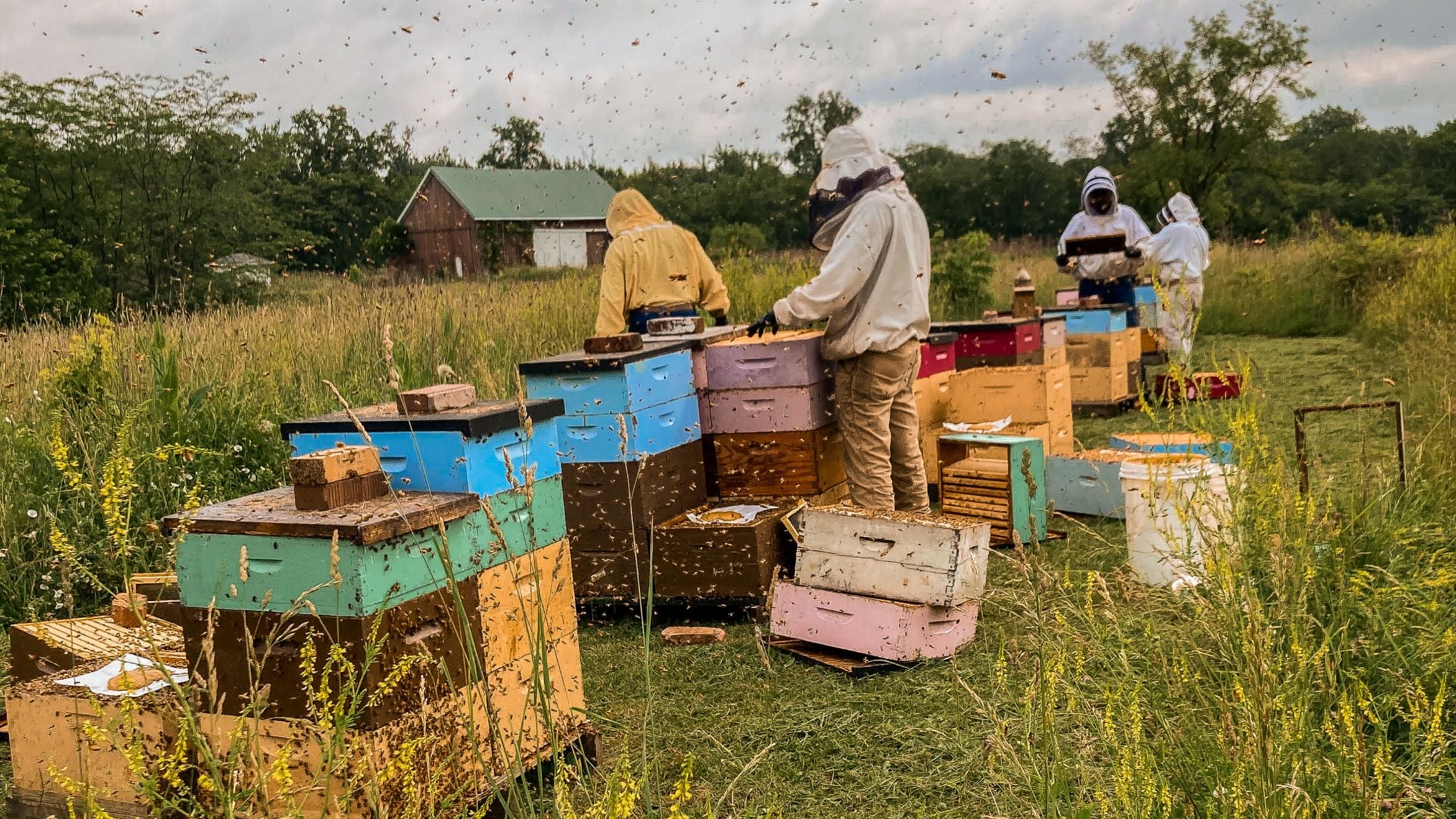
Nearly seven years ago, Richland County beekeeper Dave Duncan agreed to host six hives on the farm, and decades earlier hives were hosted by former bee inspector Sonny Barker. The additions created habitat for bees while adding pollination for forage crops.
It’s a partnership between a farmer and a beekeeper, a concept many in north central Ohio are beginning to explore.
Knowing the right person for the job matters in north central Ohio: a neighbor for custom harvesting, a customer for half a beef, a business selling certified organic seed and sometimes a beekeeper to help keep forage crops productive.
Paynter, a Crawford County Farm Bureau member, is part of a growing group within the Farm Bureau organization interested in bees, pollination and partnerships.
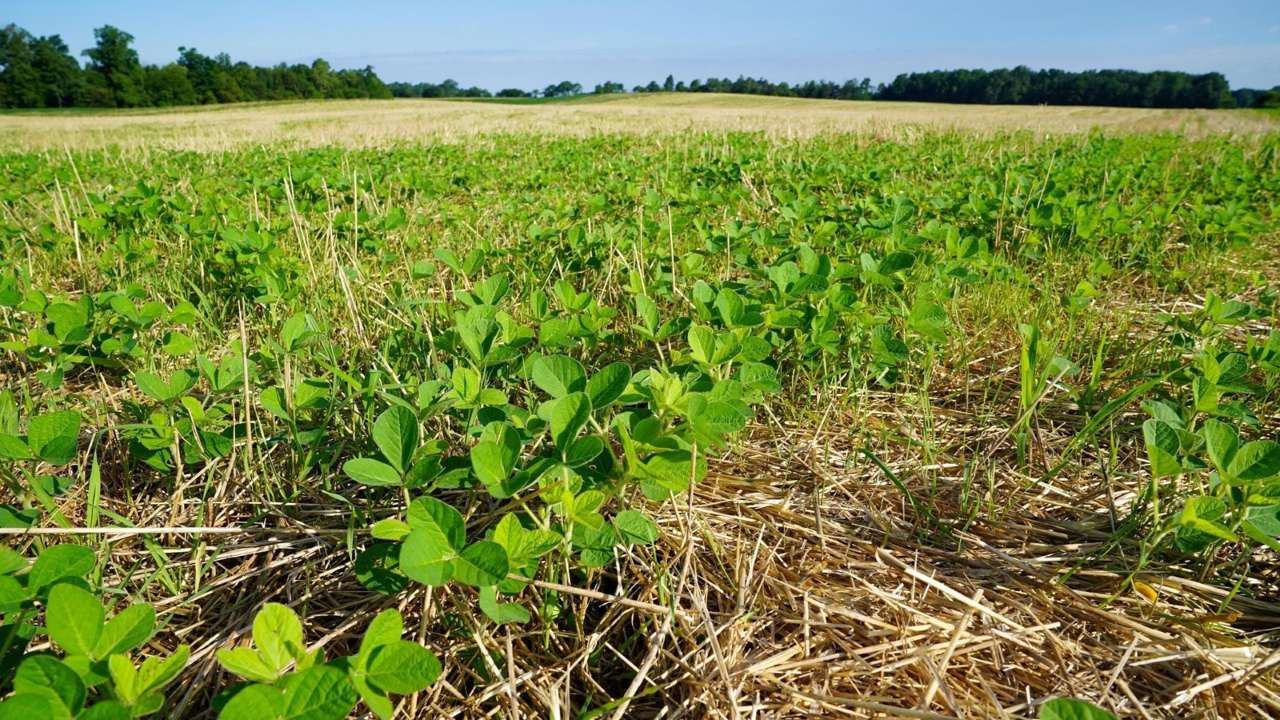
He farms corn, soybeans, wheat and medium red clover organically with his two sons. They see the greatest benefit from hosting beehives at his farm in their clover crop.
“There’s so much stuff that we can’t pollinate ourselves in agriculture,” he said.
The first cutting becomes haylage for his cattle, while the second is harvested for seed and shipped to Minnesota — with bees pollinating the crop in between. Much of the seed is also recycled into cover crop broadcasting, which now accounts for about 80% of the land he farms.
Paynter said he values the ecosystem benefits and is happy to have the hives around.
“Last spring, those were the only hives he (Dave Duncan) had that survived the winter,” Paynter said.
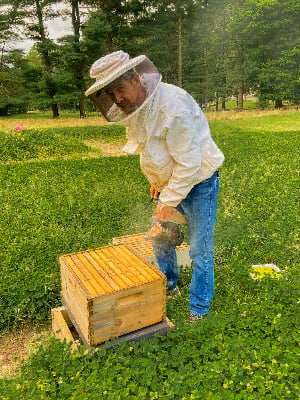
The pollination partnership between Duncan and Paynter — and Paynter’s renewed involvement with Farm Bureau — came through neighbors like Jerry Hayes, who are helping connect farmers and beekeepers within the organization.
Hayes joined Ohio Farm Bureau in 2022. A small-scale beekeeper from Richland County, he is also a global knowledge exchange expert on bees and editor of Bee Culture magazine.
“What I’ve been trying to do is identify orchards or growers and encourage them to join Farm Bureau,” he said.
His goal is to connect farmers’ flowers with pollination services and make the topic a regular conversation in agriculture.
“In my mind, honey bees are tremendously important for the food supply chain,” he said.
Hayes knew Paynter’s story well. Last fall, he encouraged Paynter to rejoin Farm Bureau after many years away, and Paynter agreed.
In Ohio, 6,500 beekeepers maintain nearly 56,000 colonies, according to the Ohio Department of Agriculture, and about 450 of them report selling honey, the U.S. Department of Agriculture says.
Honey and bees are also listed as a commodity in the Ohio Farm Bureau policy book, something that most excited Hayes about joining the organization. His goal is to make bees a regular topic of conversation among Farm Bureau members and in policy discussions.
Hayes and supporters like Paynter advocate for more county inspectors, which the state does not currently mandate, protecting federal research programs such as the U.S. Department of Agriculture Bee Research Laboratory in Beltsville, Maryland, and increasing investment in one of agriculture’s smallest livestock commodities.
The honey bee community is resilient, much like farmers, Hayes said. “We have pest predators and diseases just like everything else does.”
Last year, winter hive losses from varroa mites reached nearly 60% of commercial honey bee colonies.
“Can you imagine if we lost 50% of Black Angus cattle or 50% of our corn crop?” he asked.
Improving pollination and maintaining a healthy colony requires involvement from landowners of all sizes.
“Whether you have two apple trees in your backyard or 100 acres of apple trees, most growers selling their crop or making it available to the community will invite a local beekeeper to place colonies there.” If growers aren’t doing that, Hayes said, they are missing a major opportunity.
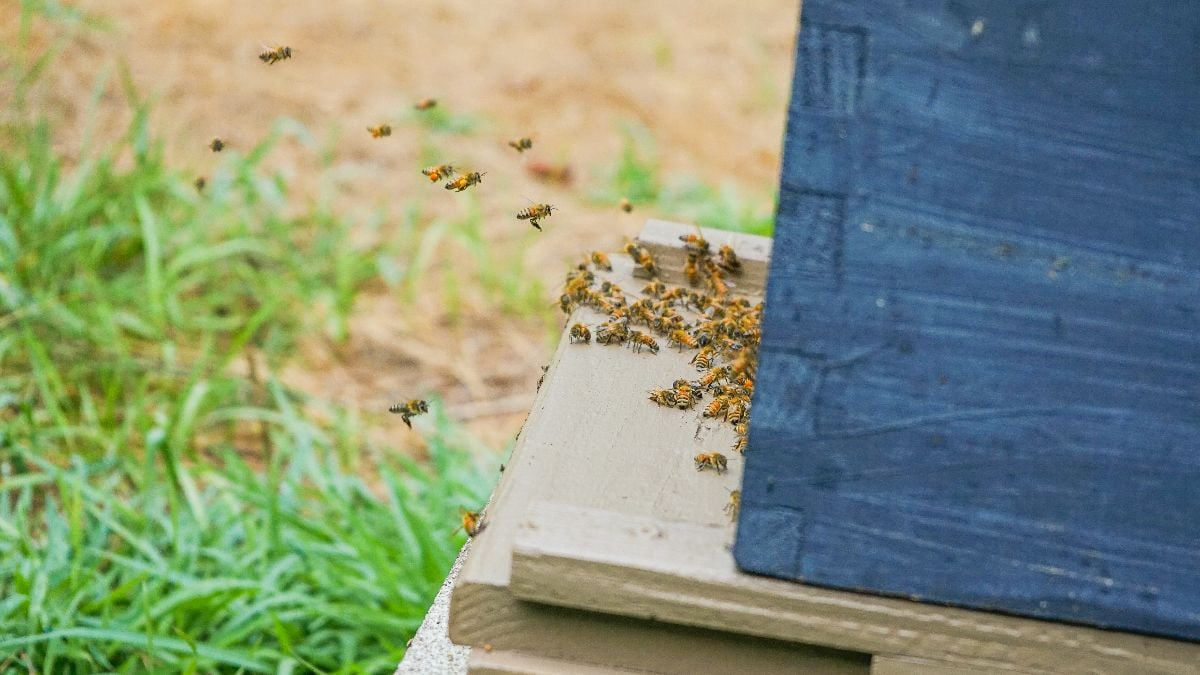
Hayes hopes to build a hive network within the state’s largest farming organization, and Paynter supports the effort.
“We’d like people to get involved in beekeeping to keep it alive — and for everyone else to appreciate what honey bees do as another form of livestock,” Hayes said.
As a diversified grower, Paynter proudly stands behind that claim. “Bees are a lot like livestock. Forty years ago, I could name seven or eight people in my neighborhood who had two or three hives behind their house.”
Today that number is closer to two or three people total, a trend he says reflects the broader decline of farms and specialty livestock in rural communities, but one he believes farmers and beekeepers can reverse together.
KEY POINTS
WHAT’S NEXT
Interested in learning more about beekeepers and hives in your county? Visit The Ohio State Beekeepers Association for more information.
Sign up for to the e-newsletter Catch the Buzz at beeculture.com.


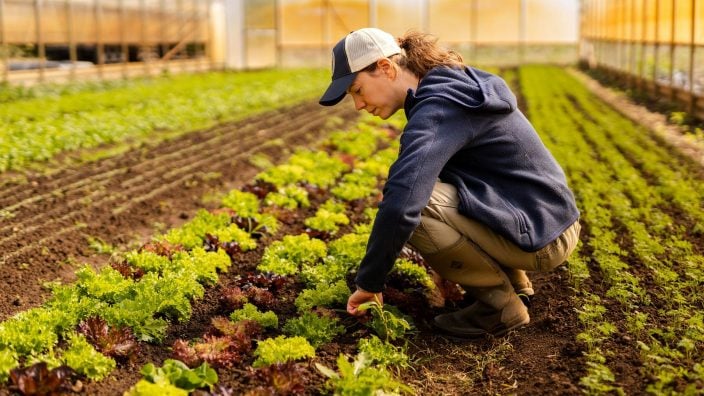
Nationwide offers tools and coverage to help small farmers remain resilient in a consolidating market.
Read More
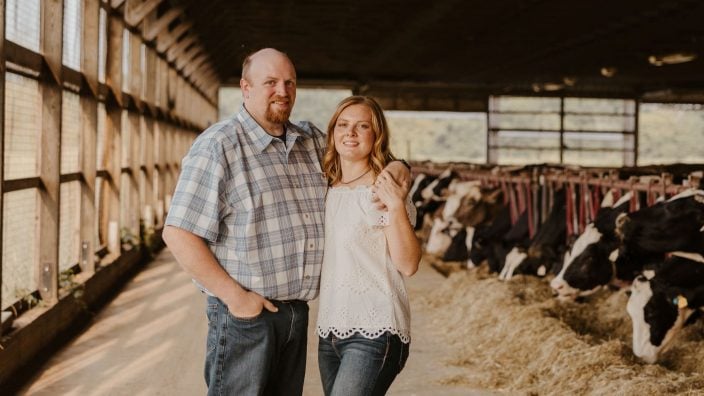
Like many small farmers, Julianne McCormick isn’t afraid to jump into new opportunities that can expand her income.
Read More
Take a walk down memory lane with some of our Young Agricultural Professionals contest winners from years past.
Read More
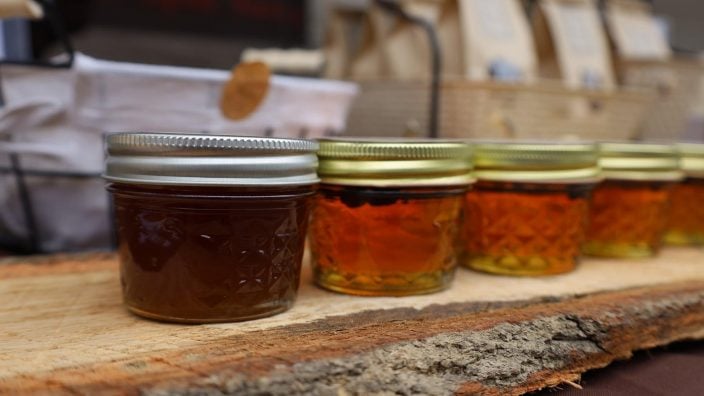
Diversification has emerged as one of the most effective strategies for small farms to address the challenges of market uncertainties.
Read More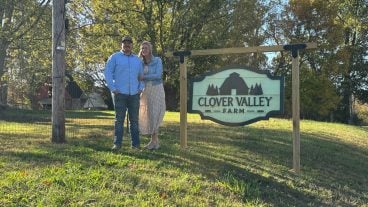
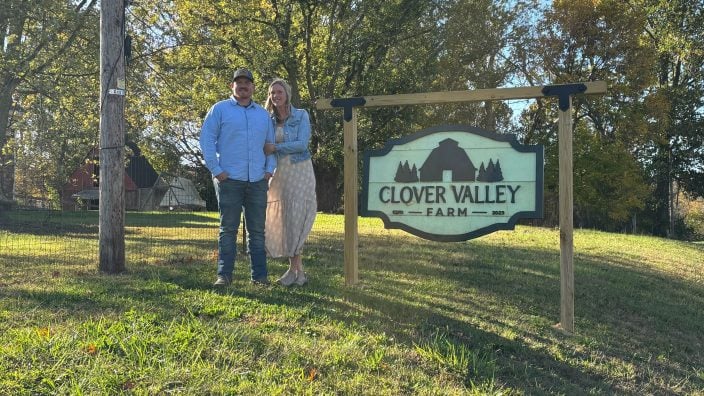
Winners of the 2025 Growing Tomorrow Grant, Nathan and Jill Parrimans’ small, regenerative family farm is dedicated to sustainable agriculture, community engagement and rural revitalization.
Read More
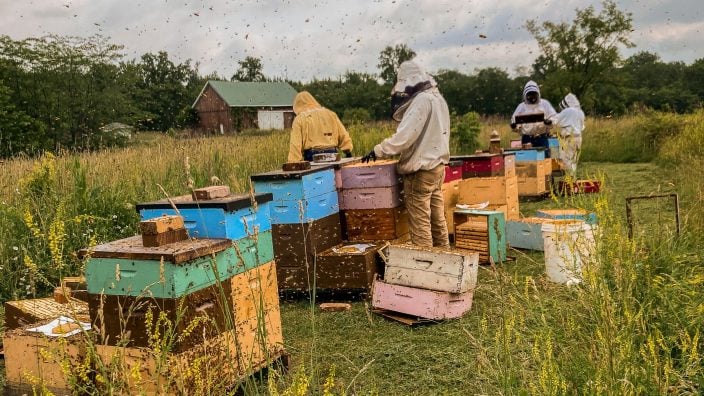
Farmer-beekeeper collaborations are essential for maintaining healthy bee populations and ensuring successful crop pollination.
Read More
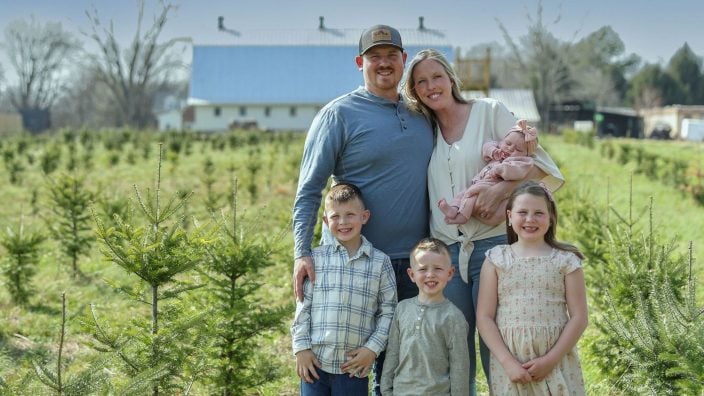
Small Farms, Big Ventures is the central theme of the May/June Our Ohio magazine. Farm operation diversification can take many forms; finding different avenues for ag income isn’t for the faint of heart.
Read More
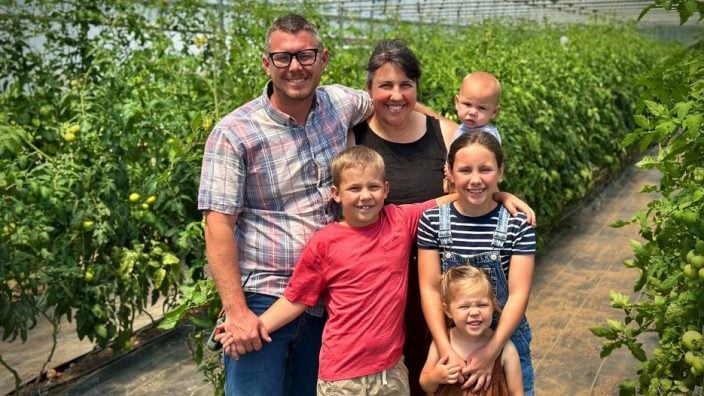
Montgomery County Farm Bureau member Michael Kilpatrick, owner and operator of The Farm on Central in Carlisle, Ohio, speaks frequently on the topic of farmer burnout.
Read More
Faced with the evolving demands of modern agriculture, Ohio’s small farms are finding diversification success through innovation and expansion, creating sustainable futures for their operations.
Read More
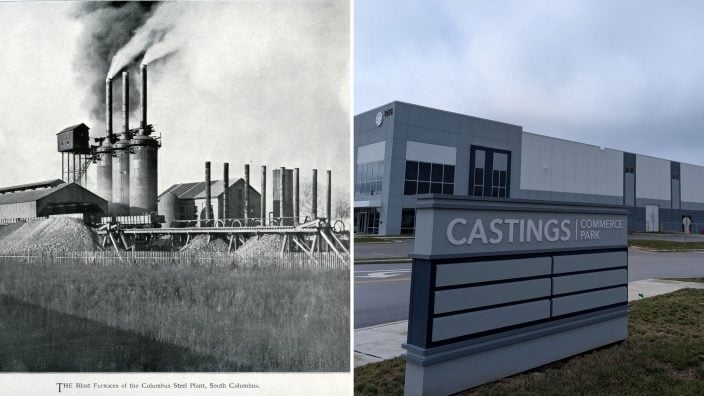
Farmland should be seen as a national resource is a view encapsulated in Farm Bureau’s recent policy supporting the creation of a national farmland preservation strategy.
Read More