

Understanding your cattle brings benefits
Knowing how a certain cow acts or responds can often indicate something about her health and well-being as well.
Read MoreDairy farmers are known for working long days, in all elements and include weekend and holiday hours.
With these long hours not only comes a lot of work, but being in the barn and around your cattle can also mean knowing, understanding and learning your herd and individual cows’ behaviors and mannerisms. Sometimes this might be fun, or not so much depending on their personality, but it can also lead to sensing when your cattle are in their normal element or are showing something abnormal.
As a herdsman on a 100-cow dairy, and a dairy cow owner myself, I am always in awe of the different characteristics and personalities that each cow displays. Some cows might have their certain spot on the parlor, or certain stall in the barn. Other cows might eat from the main pass in the barn versus through the headlock. No matter what it might be, from spending several hours in the barn and among the cows day in and day out, I think that there is at least one thing that I can pick up as being unique on each cow in the herd.
In the case of a cow having a certain spot in the parlor or coming in first versus last, this is often helpful when detecting heats. Often a cow will be more active so it might come into the parlor earlier. She also might be hesitant to let her milk down. In addition, due to an increase in activity, she might go on a different side of the parlor than normal if chasing another cow. To some outside observers, or relief help, this might not mean as much, but from experience and knowing the individual cows, these signs can really be helpful tools.
There are several times in my 12-year tenure of working full-time as a dairy farmer that knowing how a certain cow acts or responds can tell me something about her health and well-being as well. Often if a cow is sluggish getting out of her stall or comes into the parlor in a later set than usual, this often sends me looking for other signs that she might not be feeling well. This might not always be the case; sometimes a cow might just be in an off mood that day, and nothing is wrong, but I would rather check into the case than later be surprised with a sick, or even worse, down cow.
Learning to read cattle and detect sometimes subtle clues that they are not 100% can often lead to catching a health concern before it becomes more severe. Whether it be a sore foot, or something more serious such as mastitis, looking for and recognizing various behaviors in the cattle can often lead to intervention and treatment earlier, often minimizing the condition before it becomes more severe and ultimately getting the cow feeler better sooner which is then more profitable. I highly encourage you to pay a little closer attention to your individual cows, try to pick up on one unique thing about them and try to learn and recognize what may, or may not be normal for them.
Submitted by Julie Holler McCormick, a member of the Trumbull County Farm Bureau.
OFBF Mission: Working together for Ohio farmers to advance agriculture and strengthen our communities.


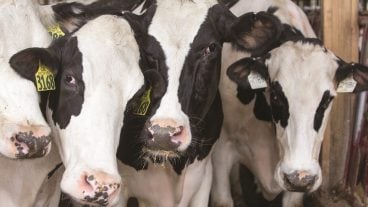

Knowing how a certain cow acts or responds can often indicate something about her health and well-being as well.
Read More
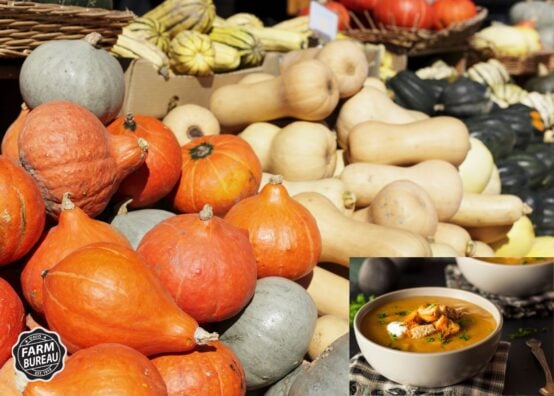
This fall, as you’re picking up a pumpkin spice latte or an apple cider doughnut, don’t forget to bring home a squash.
Read More

Preparation may not be as exciting as purchasing new equipment, but when an emergency occurs, it can be one of the best investments you ever make.
Read More
The Grange was a place to meet with and get to know your neighbors in a safe, family-friendly atmosphere.
Read More

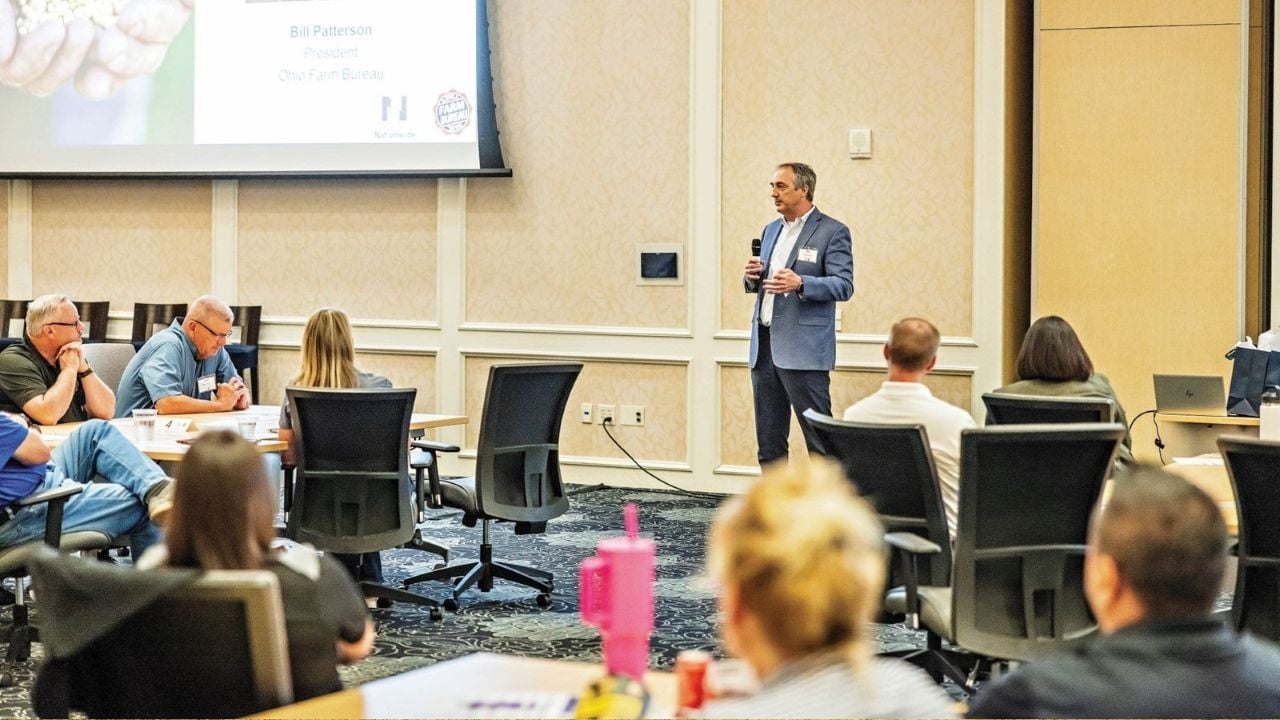
Bill Patterson of Chesterland is serving on the 2026 Ohio Farm Bureau Federation Policy Development Committee.
Read More
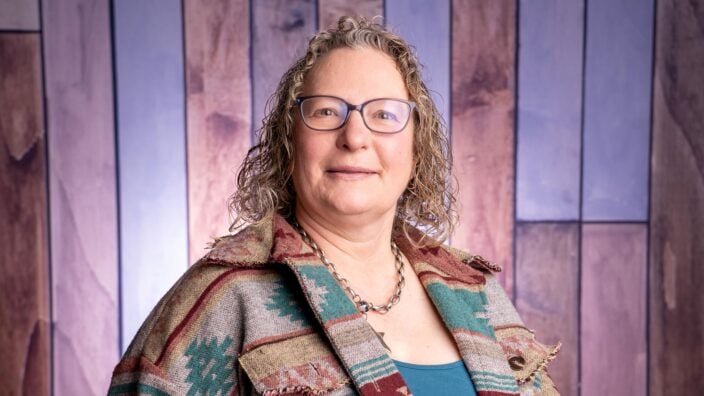
Marsha Stanhope of Kinsman is serving on the 2026 Ohio Farm Bureau Federation Policy Development Committee.
Read More
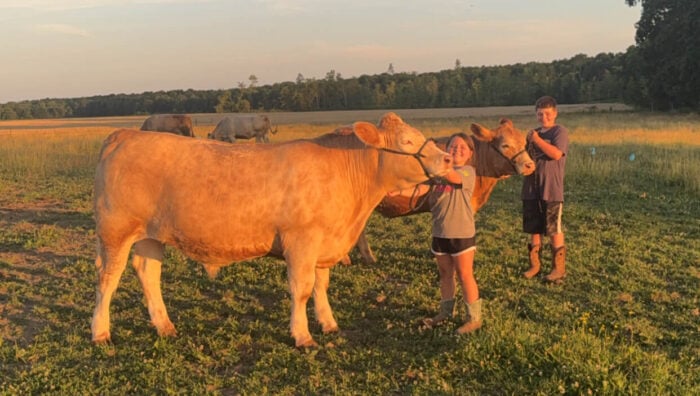
While we may walk into those barns thinking we’re raising livestock for the county fair, somewhere along the way we’re raising kids, too.
Read More
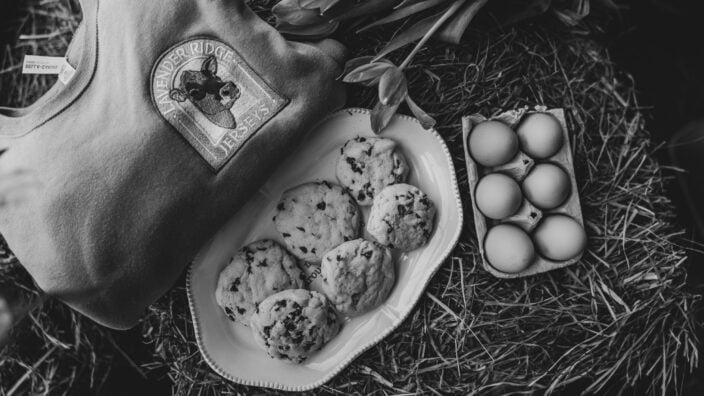
Who knew that what started as having to come up with a prefix for my first homebred Jersey would grow into such a brand and new business ventures for me.
Read More
Not every child will grow up on a farm, but every child deserves some version of the freedom my grandparents’ farm gave me — the freedom to be curious, learn by doing and grow at their own pace.
Read More

Canning and freezing are the most common ways to preserve garden vegetables, but it’s important to follow the correct steps to preserve quality and taste, and to promote food safety.
Read More