


Applications for Ohio Farm Bureau Health Plans now available
Members have three ways to apply: contacting a certified agent, calling 833-468-4280 or visiting ohiofarmbureauhealthplans.org.
Read MoreOn the latest edition of Field Day, Ohio Farm Bureau’s Director of Water Quality and Research Jordan Hoewischer talks with Dr. Larry Antosch, senior director, policy development and environmental policy for Ohio Farm Bureau. Antosch gives an overview of the state of water quality in Ohio and sets the stage for future updates on what is going on in terms of the health of Lake Erie, nutrient loading, and laws and regulations in place.
Antosch has been working on behalf of Farm Bureau members in the water quality area for the past 19 years.
Field Day with Jordan Hoewischer is an ongoing series of conversations with experts and leaders who are helping to shape and secure the future of Ohio’s ag industry for generations to come.
Following are some highlights from Episode 7. Complete transcript
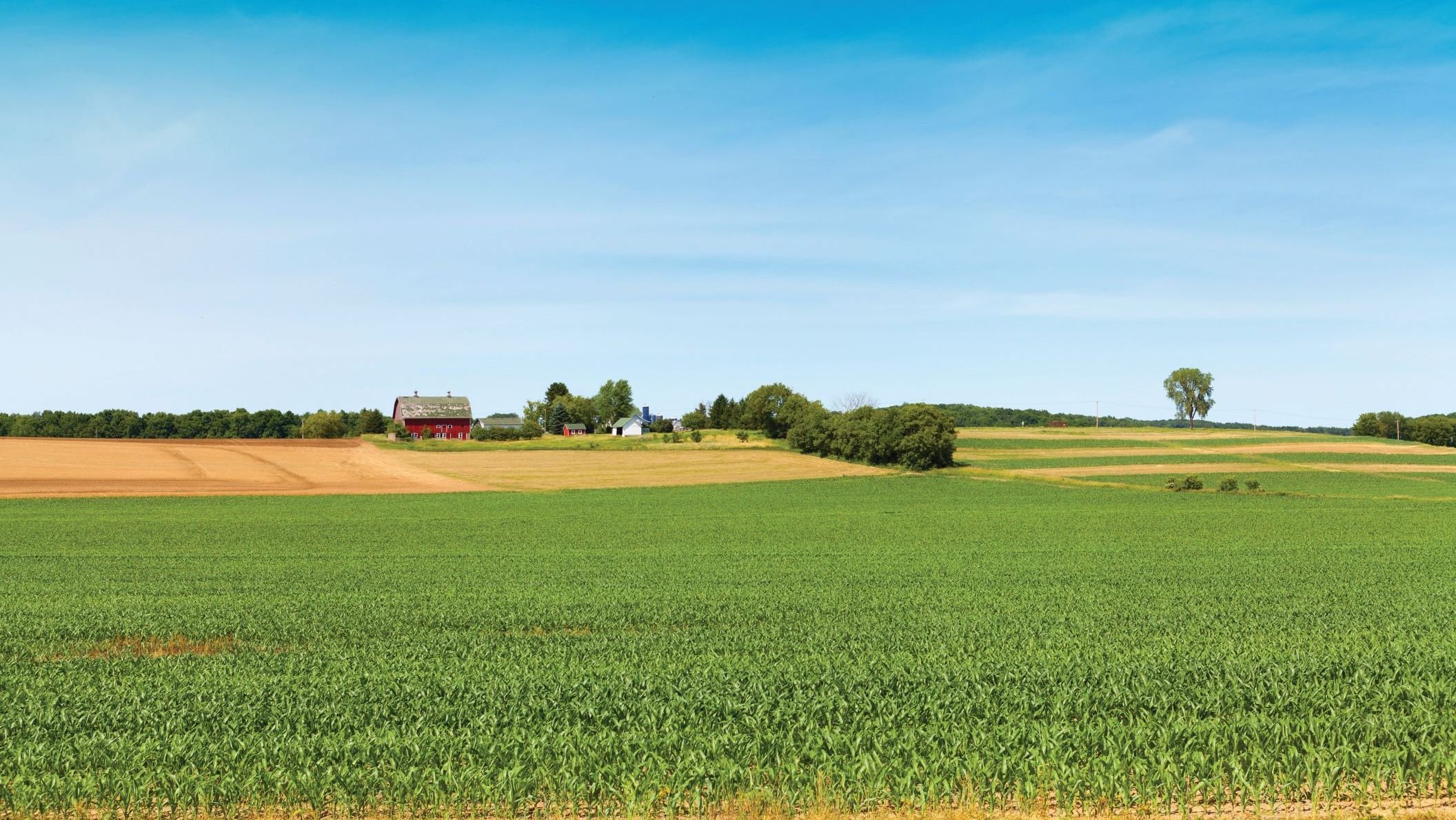
A. Basically since about 2010, that was when some of the first issues but some of the photographs were surfacing dealing with harmful algal blooms, blue green algae and cyanobacteria. And that was with the Grand lake St. Marys. All of a sudden we’re seeing a higher amount of dissolved phosphorus entering the system leading to the harmful algal blooms. So attention mainly has been up in the northwest Ohio, a lot of focus on harmful algal blooms, but we do have water quality issues and water quality concerns across the whole state.
A. Well unfortunately it’s one of the major players in the whole situation and it’s one that we have no control over, from the standpoint of if we could program out when we want the rainfall to come in what amounts in all that, I’d be golden and I could retire and I’d be sitting pretty somewhere. Because of the way that we’re seeing these changing rainfall patterns, the fact that we’re having cooler temperatures early on, the fact that we’re seeing the higher intensity, the skies opening and getting the inch in about 10 minutes or 15 minutes rather than that all day soaker is having a major influence on how much is washing off the landscape and being transported downstream.
A. Yes. You have to realize that today we’re in the times when people want to see instantaneous results. They want real time information they want real time. You know, you changed your management practice yesterday so why am I not seeing water quality improvements today? We know that natural systems take time to re-adjust. From an agricultural watershed, it’s not unrealistic to have 10 to 20 years after management practices in place to ultimately see what the impact is in the stream system itself. That lag time is one that I don’t think there’s an appreciation for that lag time. Now what we can do is start monitoring smaller watersheds. There’s some attention now going into ok, can we look at a smaller tributary and then track the management practices and the management changes that are happening in that in that area. Monitor the water quality and look at changes that way. Now Mother Nature does a really good job of accepting those changes but it just takes time.


Members have three ways to apply: contacting a certified agent, calling 833-468-4280 or visiting ohiofarmbureauhealthplans.org.
Read More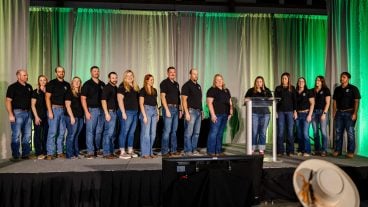
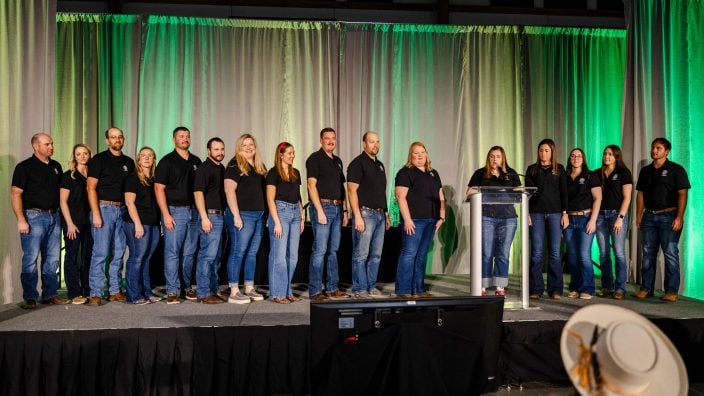
Members ages 18-34 who are interested in developing their leadership skills and enhancing programming for their peers should apply.
Read More

Senate Bill 328 is legislation designed to strengthen career-connected learning and better prepare students for Ohio’s workforce needs.
Read More
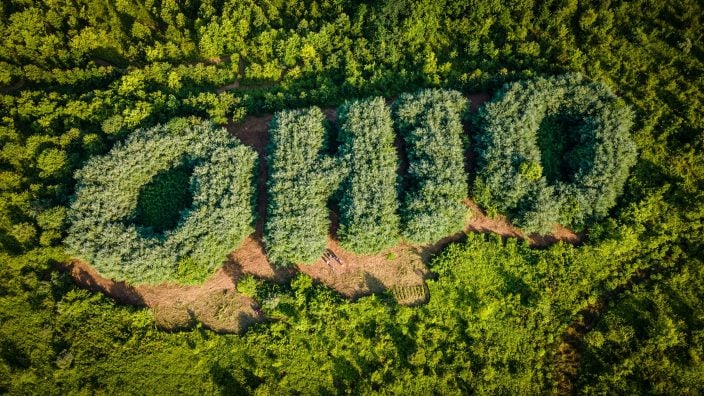
With the Family Forest Carbon Program, you can have a successful farm and get paid to grow healthy forests.
Read More
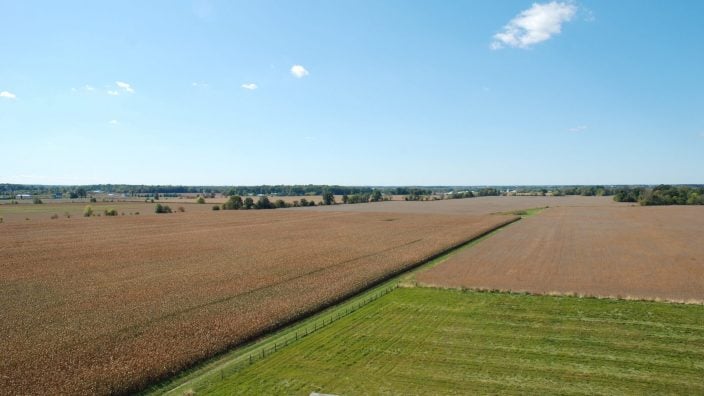
Ohio Farm Bureau recently sent a letter to Congress calling for the swift passage of the Farm, Food, and National Security Act of 2026 (HR 7567).
Read More
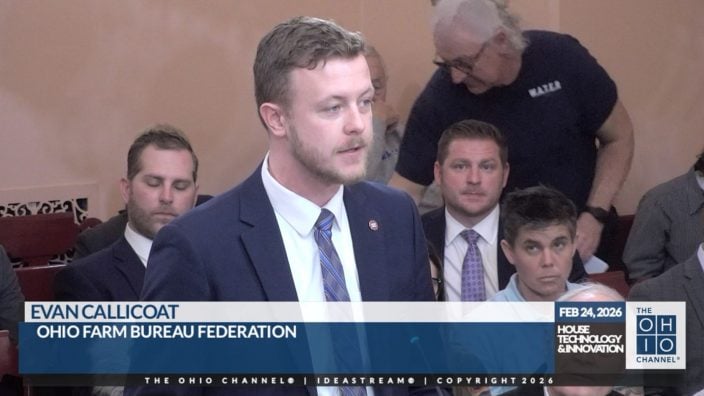
House Bill 646 would establish a Data Center Study Commission to examine the impact of rapid data center development across the state.
Read More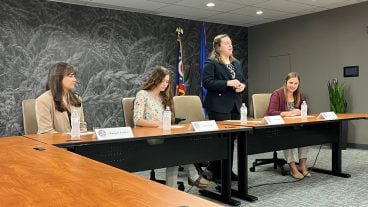
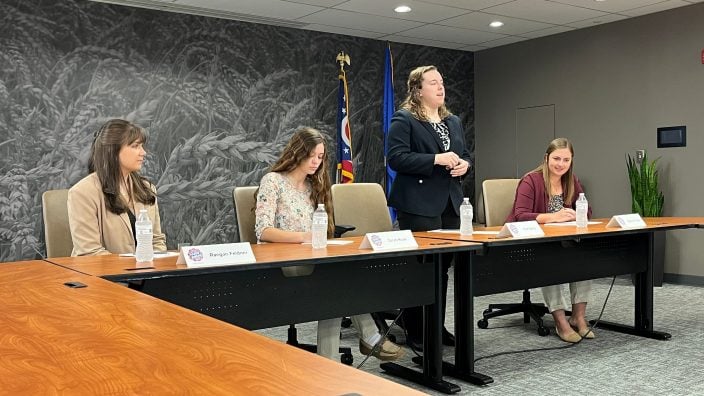
Collegiate Farm Bureau serves as a connection to current industry professionals and equips the next generation with the essential tools and resources needed to excel in their careers.
Read More

Ohio Farm Bureau members met one-on-one with state legislators and staff to discuss policy priorities impacting Ohio’s farms and rural communities.
Read More

Legacy nutrient deductions enable new farmland owners to claim deductions on the nutrients within the soil on which healthy crops depend.
Read More
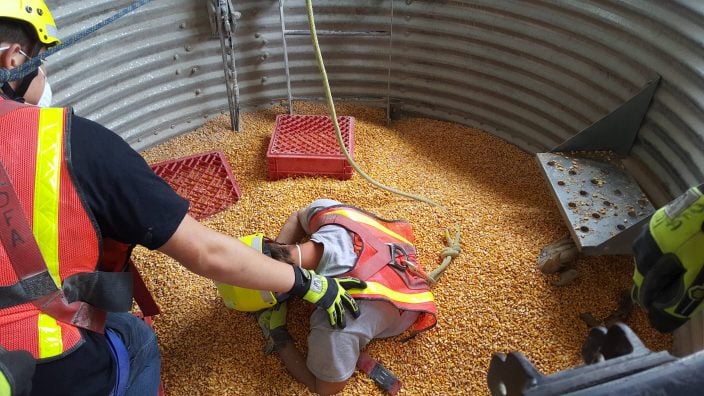
Farmers, agribusinesses and community members are encouraged to nominate their local fire departments for Nationwide’s Nominate Your Fire Department Contest through April 30.
Read More