

Applications for Ohio Farm Bureau Health Plans now available
Members have three ways to apply: contacting a certified agent, calling 833-468-4280 or visiting ohiofarmbureauhealthplans.org.
Read MoreNOAA and its research partners predict that western Lake Erie will experience a harmful algal bloom (HAB) of cyanobacteria this summer that is smaller than in 2017 but larger than the mild bloom in 2016.
Scientists expect this year’s bloom to measure 6 on the severity index, but could range between 5 and 7.5. The severity index is based on a bloom’s biomass – the amount of its harmful algae – over a sustained period. The largest blooms, 2011 and 2015, were 10 and 10.5, respectively. Last year’s bloom had a severity of 8.
However, the size of a bloom is not necessarily an indication of how toxic it is. The toxins in a large bloom may not be as concentrated as in a smaller bloom. NOAA is developing tools to predict how toxic blooms will be.
Ohio Farm Bureau’s Senior Director Policy Development and Environmental Policy Dr. Larry Antosch discusses the forecast in this interview.
Some excerpts:
Antosch: The annual forecast is based off of a series of models that are running simulations looking at streamflow down the Maumee, weather conditions, lake conditions and using the back data to make a projection as to how severe or how large the algal bloom will be. This is like the seventh year that they’ve been doing it and they’ve come up with a severity index of 1 to 10 in terms of how large or the extent of the bloom is in August. So, for this year the projection was that it should be somewhere around a 6. So not super high, not super low something kind of in the middle, again based off of free flow or in the amount of rainfall runoff that’s occurred from beginning March through the end of July.
Antosch: Just because there is an algal bloom present it doesn’t have any direct relationship or necessarily with the amount or the toxicity of the bloom but just because algae or blue green algae is present doesn’t mean that it’s a harmful environment. (Forecast does not include toxicity of the bloom)
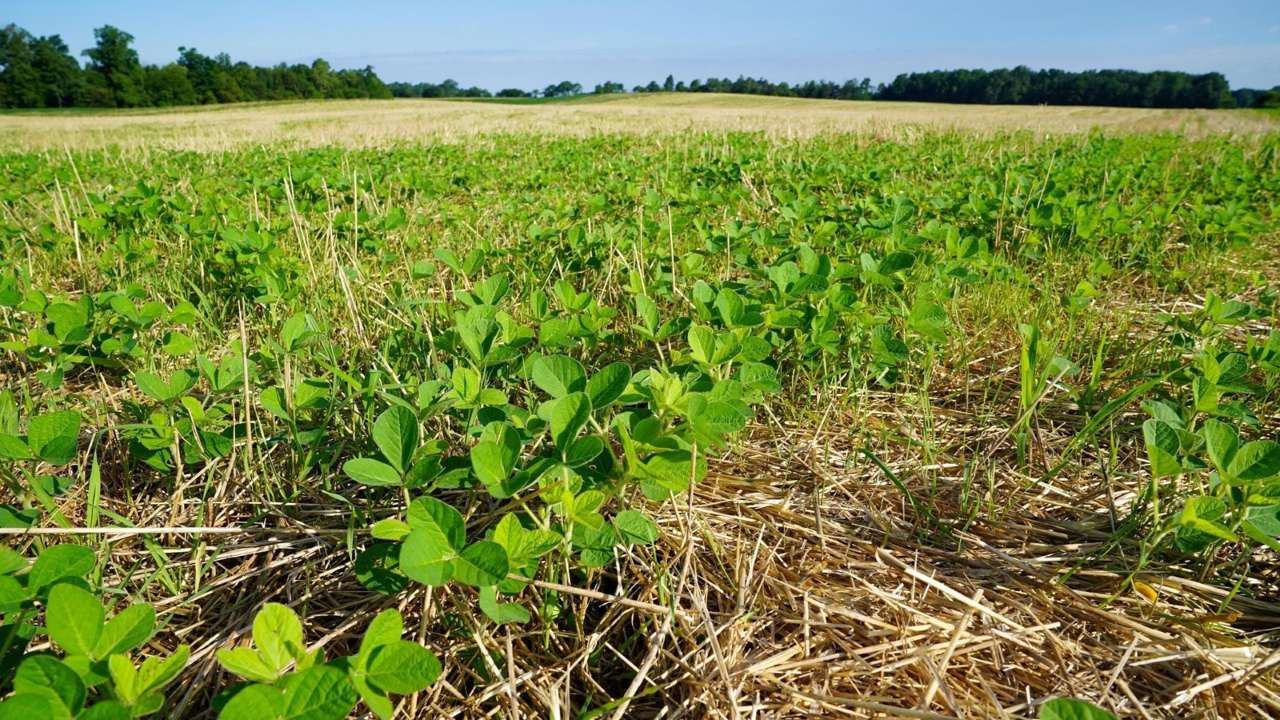
Antosch: Well I think one of the things is that, and again the numbers I think are showing that, the conservation practices nutrient management, fertilizer management, soil testing, cover crops all of that are having an impact and having a positive impact and influence on our water quality. There’s probably more that can be done, more opportunities are available to do more and also with the ongoing research and things that we’re seeing, not only those types of land management practices, but we need to start thinking about how do we manage the water in a greater extent.
Antosch: If we are seeing higher frequency of the short duration storms of the skies opened and we get the one inch or two inches in a relatively short time, we need to think about it and start implementing practices or things that will start slowing down that water. Drainage, water management some other retention type things. So, continue what we’re doing, start looking at how can we manage those extreme events better and to realize that it takes time for the systems to readjust and so things that we’re doing today may not have their full impact in terms of making a difference until five or 10 years from now.


Members have three ways to apply: contacting a certified agent, calling 833-468-4280 or visiting ohiofarmbureauhealthplans.org.
Read More
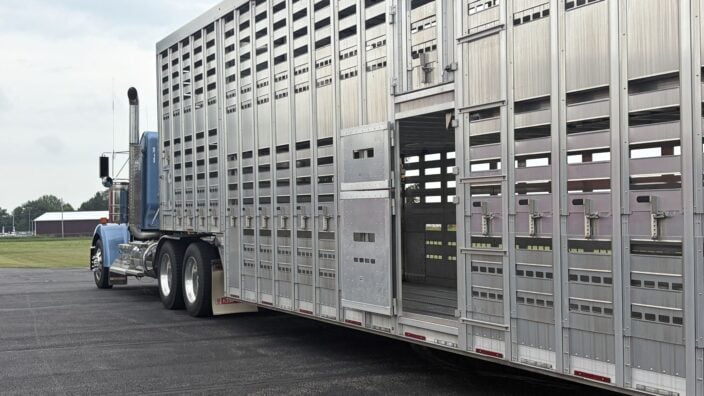
Two specialized, hands-on training sessions will address high-risk agricultural emergencies: manure pit rescues in confined spaces and roadside livestock transportation accidents.
Read More
The 75,000 square foot ImAGine Ag exhibit made its debut at the 2026 Ohio State Fair in the new Ohio Agriculture Center, giving thousands of visitors a hands-on, interactive learning experience.
Read More
Early-bird pricing for the conference will end Dec. 15, 2026, with a final registration deadline of Jan. 5, 2027. Event details, session updates and registration are available at ofb.ag/WLE.
Read More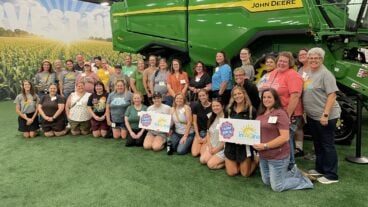
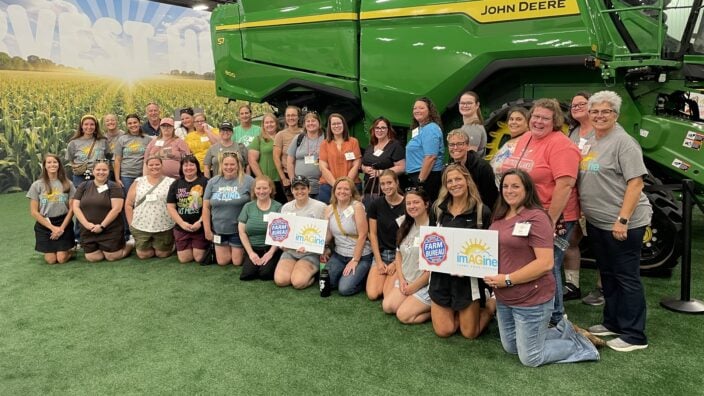
More than 50 K-5 educators took part in professional development events at the 2026 Ohio State Fair, centered around agricultural education and the organization’s new imAGine Ag exhibit.
Read More
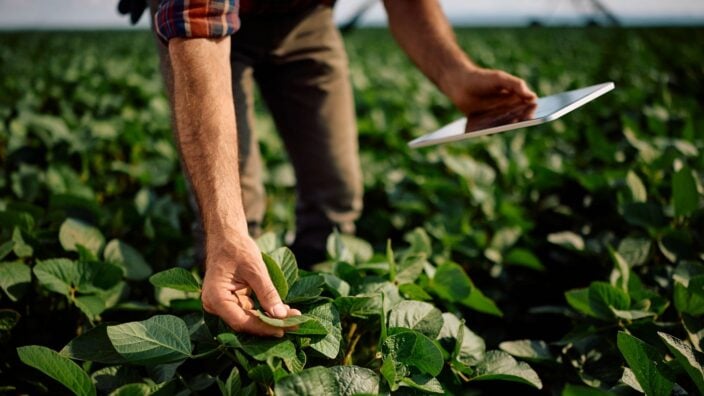
Founded by farmers in 1926, Nationwide has grown into a trusted partner for the agricultural community while staying true to its roots.
Read More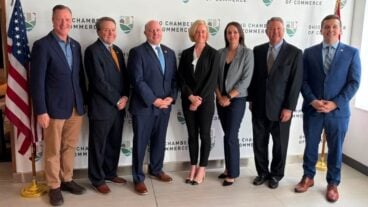
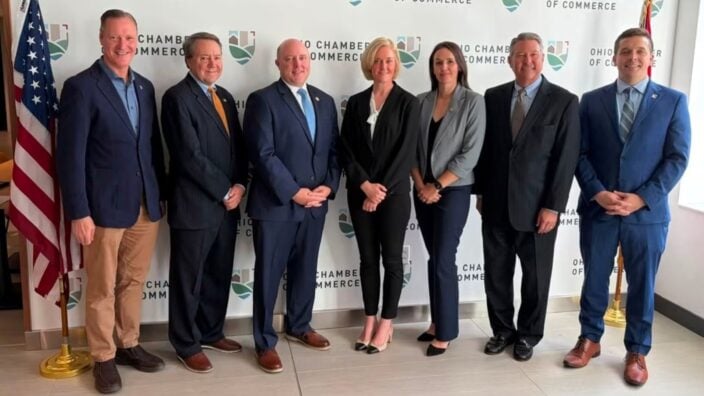
Five of Ohio’s leading business organizations, including Ohio Farm Bureau, announced support this week for Justice Dan Hawkins and Colleen O’Donnell in the 2026 elections for the Ohio Supreme Court.
Read More
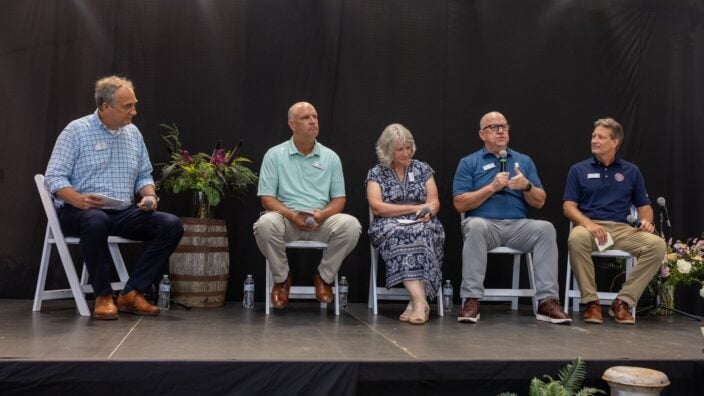
The 16th annual Cultivating a Cure welcomed more than 320 attendees and raised $151,053 to support cancer treatment and prevention research.
Read More
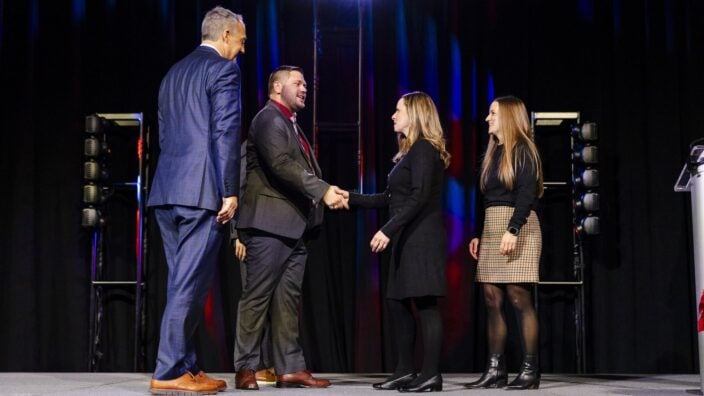
Ohio Farm Bureau is accepting applications for the Discussion Meet, Excellence in Agriculture, and Outstanding Young Farmer 2027 contests.
Read More
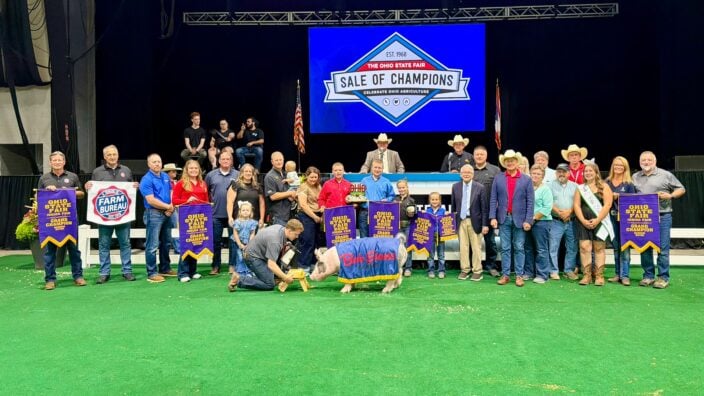
At the 2026 Sale of Champions, Ohio Farm Bureau, along with partners Bob Evans Farms and Nationwide, purchased the Grand Champion Market Barrow exhibited by Parker Elchinger of Henry County.
Read More