


Applications for Ohio Farm Bureau Health Plans now available
Members have three ways to apply: contacting a certified agent, calling 833-468-4280 or visiting ohiofarmbureauhealthplans.org.
Read MoreWhen Robert Erwin initially tells students that much of his class will focus on soil and its role in environmental science, they’re often less than enthusiastic.
“Their eyes kind of glaze over and they look at me like ‘you’re kidding’,” said Erwin, the environmental science teacher at Centerville High School outside of Dayton. “Soils are a part of a lot of different pathways in the curriculum. I try to attach soil to everything we do. Kids should understand how important soil is—everybody should understand how much depends on good quality soil.”
Once Erwin starts explaining the role soil plays in food, construction, water quality and so many other scientific systems, they begin to dig it. Many Ohio FFA students realize the importance of soil while participating in Career Development Events focused on soil judging. The competitions, which attract hundreds of students throughout the state, require them to climb into a 4-foot deep hole in the ground to analyze the slope, texture, drainage and other properties of soil and determine its potential risk factors.
The knowledge gained while preparing for the competition will serve students even if they don’t pursue science or agricultural careers, said Tom Holton, an ag teacher at East Knox High School in Howard. Students who understand soil properties will be able to gauge whether it’s well-suited for planting, constructing a home or driveway or installing a septic system—information that is of value to homeowners, Holton said. “This could relate to every kid in the class at some point.”
Soil testing for gardeners
While Holton, Erwin and their fellow FFA teachers focus on educating young people about soil’s value as a natural resource, other experts are focused on helping gardening enthusiasts see how understanding their soil can impact their yield and local environment.
Homeowners who are interested in growing fruits, vegetables or plants can glean valuable information from their soil by having it analyzed, said Erika Preston, education coordinator for the Gallia Soil and Water Conservation District in Gallipolis. “People often have no idea what was done before,” she said. “This will tell you what you need and what you don’t need.”
Farmers and gardeners who have their soil analyzed will reap many benefits, agreed Holly Utrata-Halcomb, district administrator for the Hamilton County Soil and Water Conservation District in Sharonville. They will understand its make-up so they can use the correct products to correct issues.
“It’s vital information that’s mostly hidden from view,” said Utrata-Halcomb, who recommends having the tests repeated every five years. “You’re wasting money if you don’t understand what your soil needs.”
It’s also better for the environment to only add what your soil needs rather than put unnecessary products into the ground that will eventually enter the nearby waterways, she added.
While students in soil judging competitions rely on visual clues and low-tech equipment to do their work, scientists who analyze soil fertility offer a more in-depth look. The results will reveal the sample’s pH, and information about its nutrient content including phosphorus, potassium, calcium and magnesium. Armed with the details about their soil and suggestions from their local Ohio State University Extension office or Soil and Water Conservation District, gardeners can address deficiencies—making the ground more hospitable to plants, Utrata-Halcomb said.
“You’ll see the results immediately,” she said. “You’re putting in only what’s needed. Your crops are going to be optimal.”
Soil fertility tests are available through a variety of sources. In many counties either the Ohio State University Extension office or the Soil and Water Conservation District sell the kits and send them out for analysis. Many landscape companies will offer the test as part of their service. Do-it-yourself kits are available at garden centers and big box stores, however most soil experts don’t recommend the DIY kits because they rely on a smaller sample and don’t include lab analysis. Click here for Ohio State’s fact sheet on soil testing and a list of testing labs.
What a Soil Test Can Do:
What a Soil Test Can’t Do:



Members have three ways to apply: contacting a certified agent, calling 833-468-4280 or visiting ohiofarmbureauhealthplans.org.
Read More
The executive order waives state penalties and suspends discretionary enforcement related to the use of dyed diesel on public highways through Dec. 31, 2026.
Read More

Maggie Preston, Lincoln Deitrick and Denver Davis describe their role in agriculture, their Farm Bureau involvement and what it means to win their respective state awards.
Read More
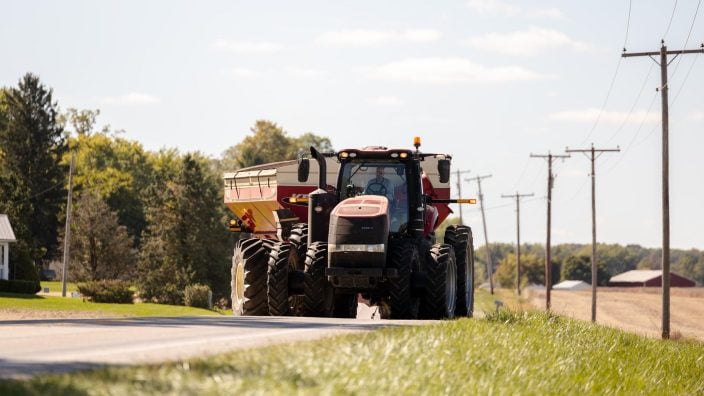
Associate General Counsel Leah Curtis breaks down the changes to Ohio’s fuel tax, recent guidance on dyed diesel and what farm families need to know.
Read More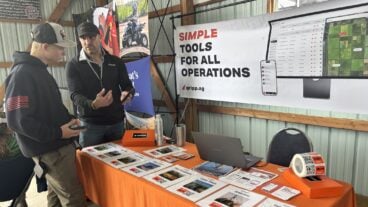
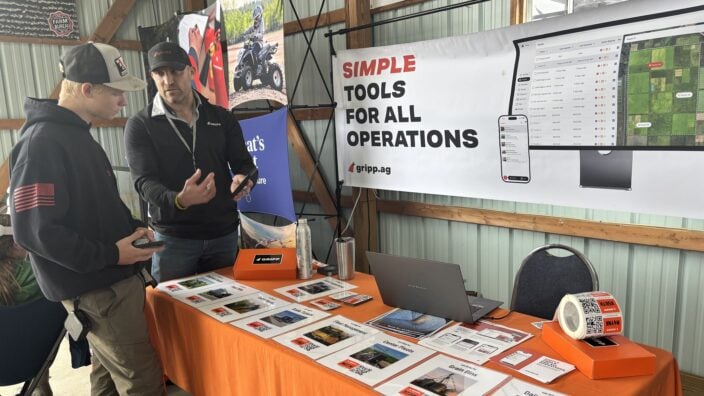
Gripp is launching a 60-day cohort in mid-January for Ohio Farm Bureau members, offering discounted access to its asset-tracking app.
Read More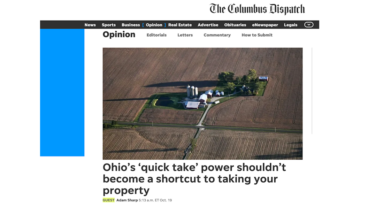
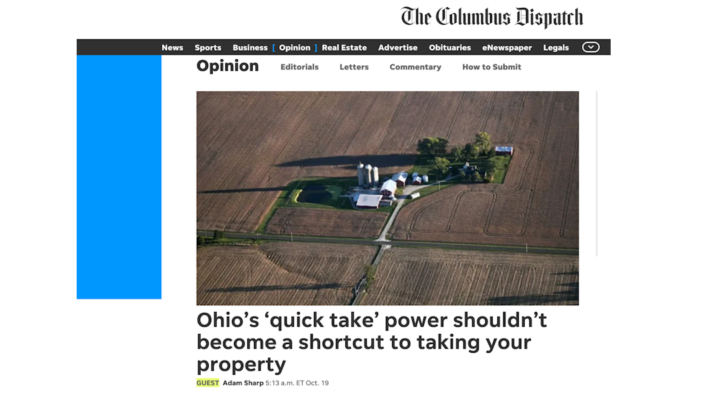
Ohio Farm Bureau recently published an op-ed in The Columbus Dispatch highlighting the importance of protecting private property rights as discussions continue around expanding eminent domain powers in Ohio.
Read More
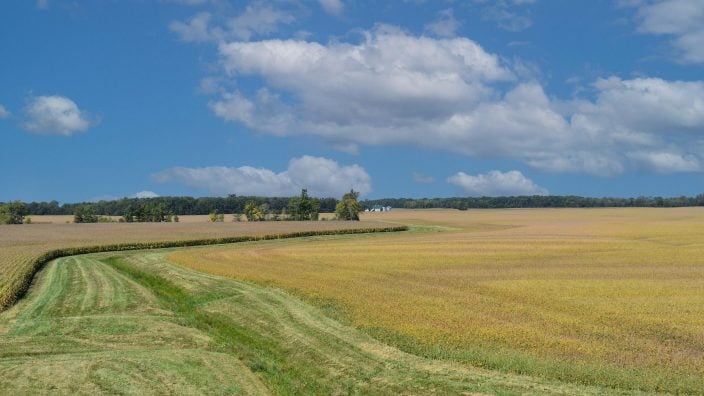
These discussions should not begin and end with a developer’s offer. Identifying family goals now gives the family something to plan around.
Read More
Ohio Farm Bureau joined leaders from across Ohio’s food and agriculture industry this week to pack 10,000 meals for central…
Read More
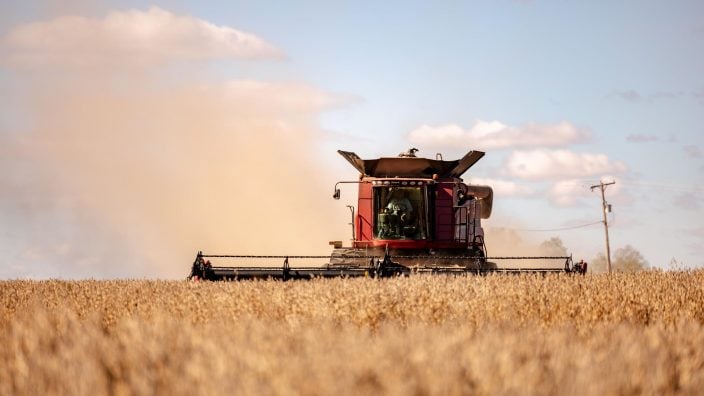
The administration recently issued an executive order easing restrictions on the use of tax-exempt dyed diesel fuel for on-road agricultural transportation.
Read More
Ohio Farm Bureau Associate General Counsel Leah Curtis explains how the eminent domain process works in Ohio, what ‘quick take’ means and when it can be used.
Read More