





Applications for Ohio Farm Bureau Health Plans now available
Members have three ways to apply: contacting a certified agent, calling 833-468-4280 or visiting ohiofarmbureauhealthplans.org.
Read MoreOhio farmers are making positive impacts to water quality in the Western Lake Erie Basin, according to a new report from USDA’s Natural Resources Conservation Service. The report shows applied conservation practices reduce sediment losses from fields by an estimated 80 percent and reduce the amount of sediment being delivered to Lake Erie by an estimated 40 percent.
“Ohio farmers have implemented voluntary conservation practices to reduce losses of nutrients and sediment because they care deeply about the land they farm and the water people drink,” said Terry Cosby, Ohio NRCS state conservationist.

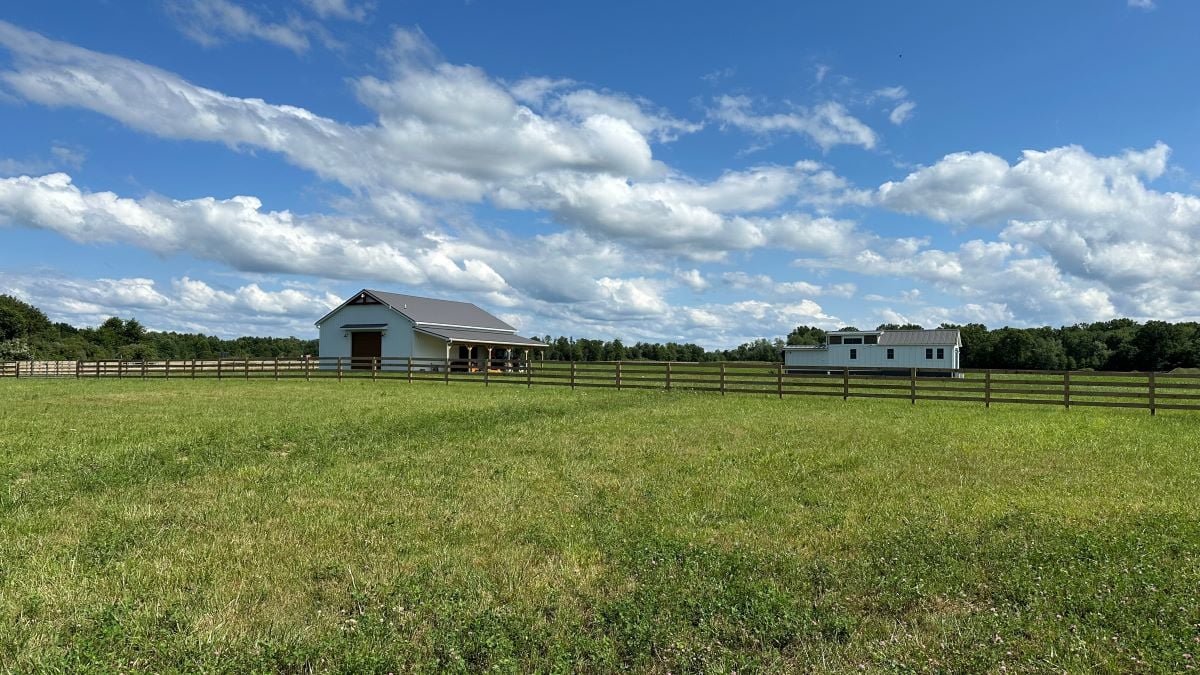
“Reports like this one help the agency better understand the effectiveness of conservation practices and explore innovative conservation approaches. In Ohio, NRCS is focused on improving water quality. We partnered with the Ohio Farm Bureau to establish three demonstration farms in the Western Lake Erie Basin,” Cosby said.
The demonstration farms allow the agricultural community to see the latest conservation practices on the ground, serve as real-world teaching laboratories and provide peer-to-peer learning opportunities. In addition, these farms offer the scientific community a place to showcase innovative water quality improvement techniques while getting input from producers on the practicality of these techniques. Finally, these farms offer an opportunity for people from nonagricultural sectors to learn what farmers are doing to improve water quality on their farms.
This new report is the second of a two-part report on the Western Lake Erie Basin. The first report focused on edge-of-field losses, whereas this new report focuses on sediment and nutrients entering streams, rivers and Lake Erie.
USDA’s Conservation Effects Assessment Project used a sampling and modeling technique to yield these results, quantifying the impacts of conservation practices adopted across the region. These analyses provide scientifically based direction for future conservation planning efforts targeting specific management goals.
Farmers use a variety of conservation practices to reduce losses of nutrients and sediment. The practices evaluated by CEAP include nutrient management, cover crops and structural erosion control. Cutting-edge technologies that use GPS and variable rate applications are also assessed. Anyone interested in seeing these practices in use should tour the Blanchard River Demonstration Farms Network.
“The report findings affirm that best management practices are effective in reducing nutrient and sediment losses. In enough quantities, they can reduce phosphorus losses from farm fields in the Western Lake Erie Basin,” said Steve Davis, NRCS Ohio Watershed Specialist.
Although there is still work to be done, this report shows that private landowners are responding to regional needs and putting conservation plans into action to improve water quality across the basin, according to NRCS.


Members have three ways to apply: contacting a certified agent, calling 833-468-4280 or visiting ohiofarmbureauhealthplans.org.
Read More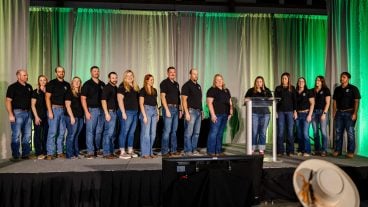
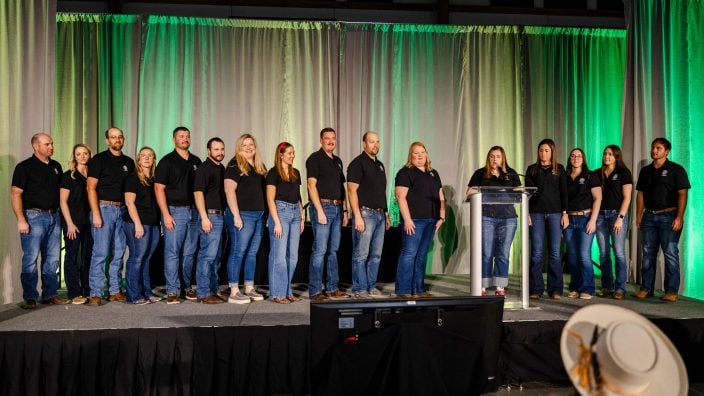
Members ages 18-34 who are interested in developing their leadership skills and enhancing programming for their peers should apply.
Read More

Senate Bill 328 is legislation designed to strengthen career-connected learning and better prepare students for Ohio’s workforce needs.
Read More
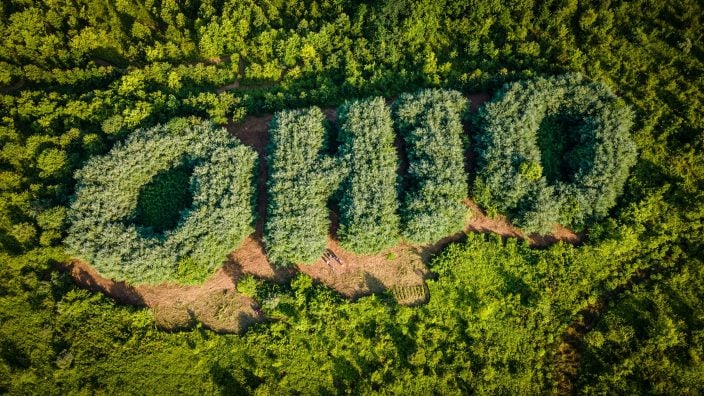
With the Family Forest Carbon Program, you can have a successful farm and get paid to grow healthy forests.
Read More
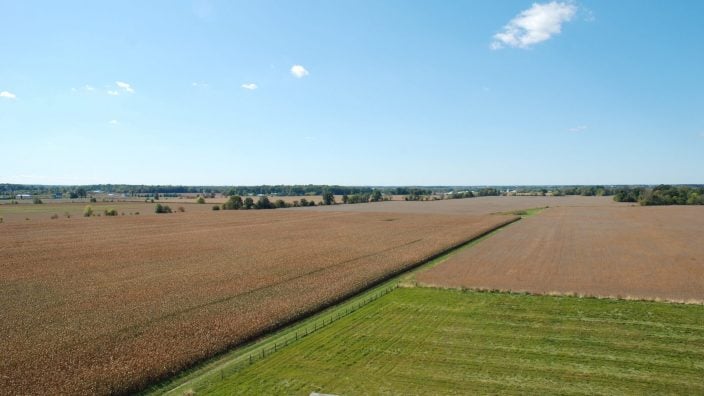
Ohio Farm Bureau recently sent a letter to Congress calling for the swift passage of the Farm, Food, and National Security Act of 2026 (HR 7567).
Read More
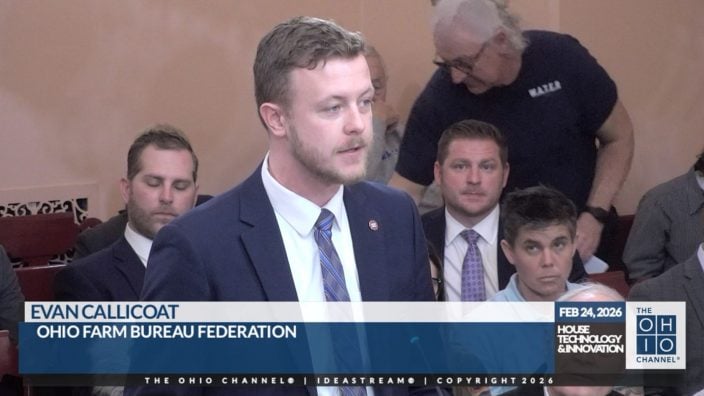
House Bill 646 would establish a Data Center Study Commission to examine the impact of rapid data center development across the state.
Read More
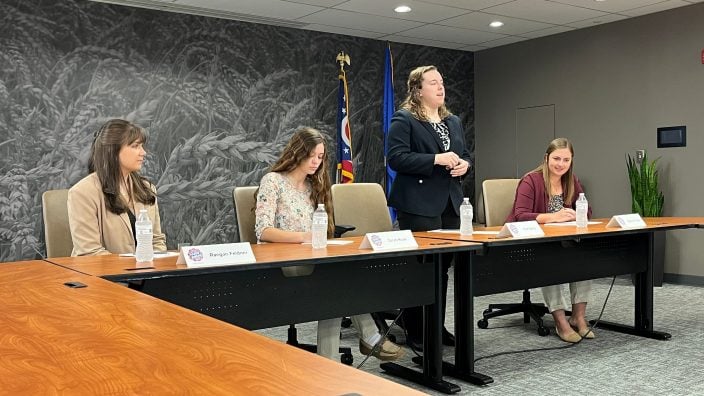
Collegiate Farm Bureau serves as a connection to current industry professionals and equips the next generation with the essential tools and resources needed to excel in their careers.
Read More

Ohio Farm Bureau members met one-on-one with state legislators and staff to discuss policy priorities impacting Ohio’s farms and rural communities.
Read More

Legacy nutrient deductions enable new farmland owners to claim deductions on the nutrients within the soil on which healthy crops depend.
Read More
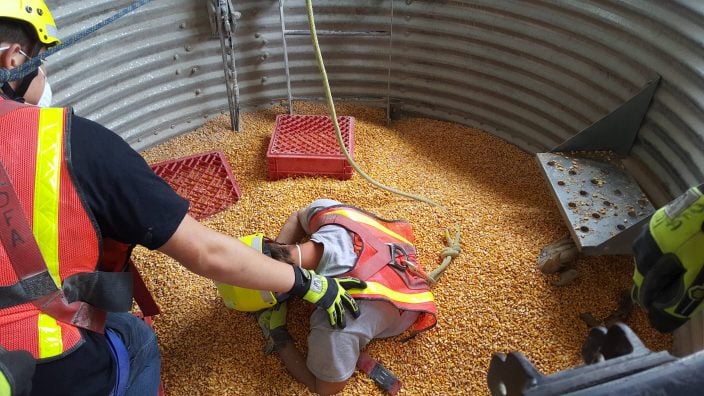
Farmers, agribusinesses and community members are encouraged to nominate their local fire departments for Nationwide’s Nominate Your Fire Department Contest through April 30.
Read More