








Applications for Ohio Farm Bureau Health Plans now available
Members have three ways to apply: contacting a certified agent, calling 833-468-4280 or visiting ohiofarmbureauhealthplans.org.
Read More1 Look around
Before buying anything, take a quick loop around the grounds. Look for overall cleanliness of vendor stands, uncovered food samples, hovering insects and soiled display areas.
2 Examine produce
Do not buy bruised or damaged produce because it is prone to bacterial contamination. The exception is “misshapen” produce, which is not damaged but is unusually shaped.
3 Ask questions
Speak with the vendor/farmer about how the food was grown; check for license and registrations. “Don’t be afraid to ask questions, and if you’re not comfortable with the answers, politely move on to the next vendor,” said McDonald.
4 Raw meat
If you plan to buy raw meats or other perishable items, make sure you have a cooler loaded with ice. Separate raw meats from other foods to avoid cross-contamination.
5 Ready-made foods
Pay attention to ready-to-eat foods such as sandwiches, cut fruits and samples. Cold foods should be cold, and hot foods should be hot. Make sure food handlers have a barrier between their hands and the food during handling.
6 Unpasteurized milk
While many markets offer unpasteurized dairy products — such as raw milk and cheeses — and unpasteurized juices, McDonald advises against consuming these products.
7 Store food
After bringing your purchases home, store foods either in the refrigerator or on the counter, depending on the item. Some fruits and vegetables, such as nectarines, peaches and tomatoes, can be stored on the counter until ripe and then refrigerated. Refrigerate eggs, dairy products and meats, posthaste.
8 Before you eat
Make sure to wash produce right before using it, and cook foods to the proper internal temperature, especially meats. Egg dishes and ground meats must be cooked to 160 degrees Fahrenheit; poultry and fowl to 165 F; and steaks, chops and roasts to 145 F.
For more information for consumers on proper food handling and storage and safe cooking temperatures is available at extension.psu.edu/food-safety-and-processing.
(Farm and Dairy is featuring a series of “101” columns throughout the year to help young and beginning farmers master farm living. From finances to management to machinery repair and animal care, farmers do it all.)


Members have three ways to apply: contacting a certified agent, calling 833-468-4280 or visiting ohiofarmbureauhealthplans.org.
Read More
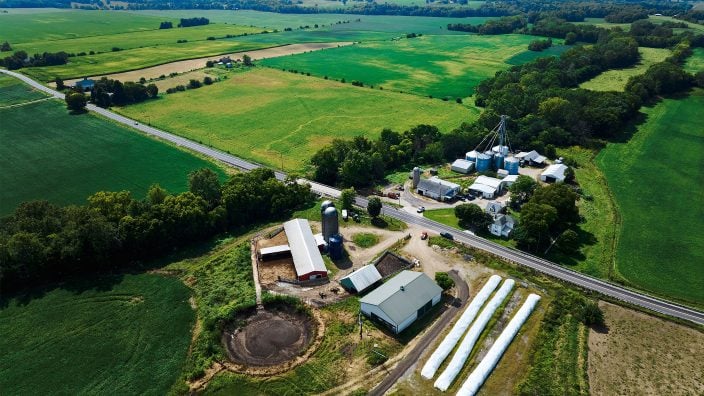
Ohio Farm Bureau Associate General Counsel Leah Curtis explains how the eminent domain process works in Ohio, what ‘quick take’ means and when it can be used.
Read More
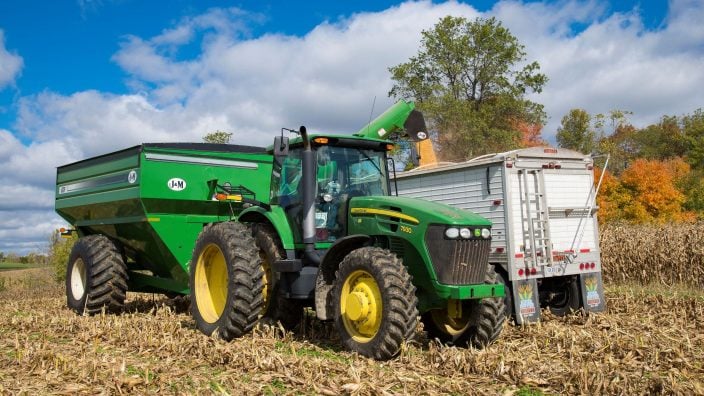
As fuel prices skyrocket across the state, lawmakers are preparing to return to the Statehouse to vote on the temporary suspension of Ohio’s gas tax.
Read More

Since 1984, the Conservation Farm Family Awards program has recognized Ohio farm families for their exemplary efforts conserving soil, water, woodland, wildlife, and other natural resources.
Read More

Meet Joe Everett, a Shelby County Farm Bureau Young Ag Professional who has dedicated his life to service, both in uniform and within his local community.
Read More

A year-end review provides an opportunity to evaluate your operation’s financial position, discuss future goals and develop strategies for the upcoming season.
Read More

Ohio Farm Bureau has created a new guide to help members better understand the laws, regulations and risk considerations that come with opening their farms to the public.
Read More

The groups received a firsthand look at agricultural policy, advocacy and leadership in the nation’s capital.
Read More

By prioritizing safety and health, you protect yourself and those around you, reduce downtime, and ensure your operation runs smoothly.
Read More
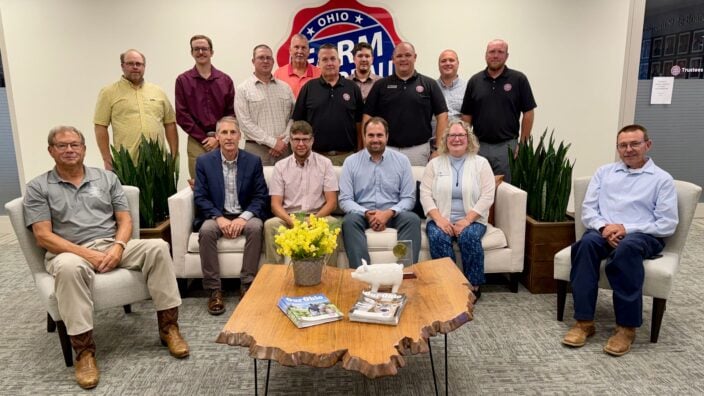
Twenty leaders have been named to the 2026 Ohio Farm Bureau Federation Policy Development Committee.
Read More