


Applications for Ohio Farm Bureau Health Plans now available
Members have three ways to apply: contacting a certified agent, calling 833-468-4280 or visiting ohiofarmbureauhealthplans.org.
Read MoreOne morning recently, my phone rang and it was from a longtime friend. I could tell from the tone of his voice that he had some difficult news to tell me, and he did. After much thought and family deliberation, they had decided to sell their dairy herd.
It was an excellent dairy herd of, I think, mostly registered animals. Four or five generations in the family had been milking cows on this farm over the years.
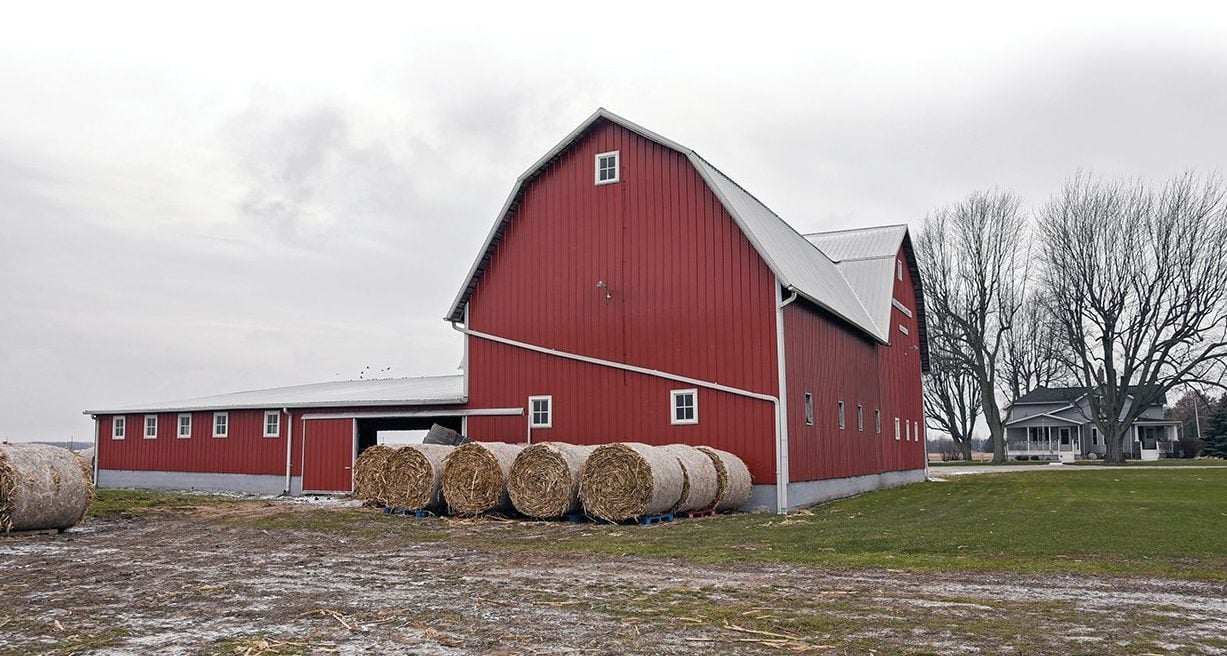
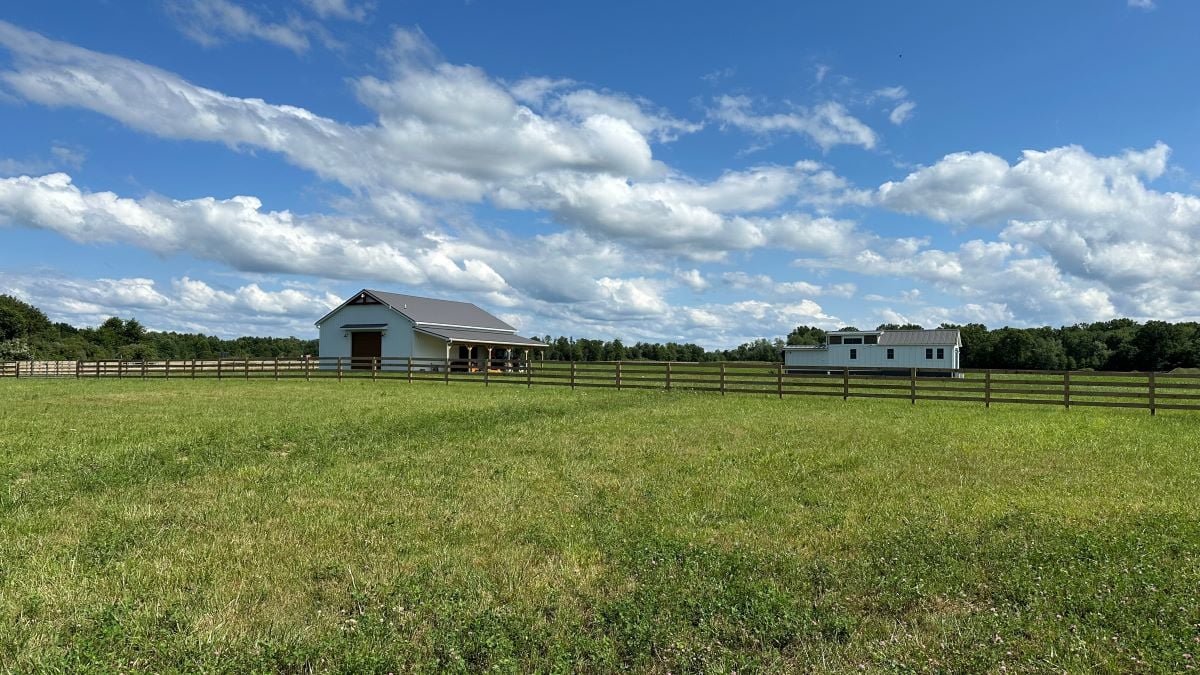
Now, for the first time in many years the barn would be empty. It would be a quiet barn with none of the pleasant noises that go with a herd of cows.
When the barn is full of cows, there are sounds of the cows chomping on the total mixed-feed rations that they have been fed. Or maybe some of them are lying down and contentedly chewing their cud. Some are at the drinking fountains slurping a good drink of water.
All these noises are part of having a barn full of cows that have to go through the milking parlor twice or perhaps three times a day to be milked. They have to be milked every day, 365 days a year.
Now since my friend’s herd and hundreds of others over the years have been sold, our country roads are lined with quiet, silent barns. Given the extent of the change over the years, it is a radical change.
Back in the 1950s and ’60s, dairy farming was the main source of agricultural income in this area. But that picture has changed.
While we still have a good group of efficient dairy farms in the area, the number is only a fraction of what it was in the 1950s. The volume of milk produced may not be too far behind what it was years ago because each cow today is producing three times the amount of milk that each cow produced years ago.
New technology, such as artificial insemination in dairy herds, and better feeding and management has enabled dairy farmers to improve production from each cow.
Even with the efficiencies in production, the price of milk the last two or three years has not been good enough to keep many herds in production. In 2018, according to the latest figures, 180 herds in Ohio went out of business. That was sixth in the nation in number of herds that went out of business.
Pennsylvania, which has a lot more herds than Ohio, was second in number of herds lost with 370 that went out of business. New York State was third with 280 selling out.
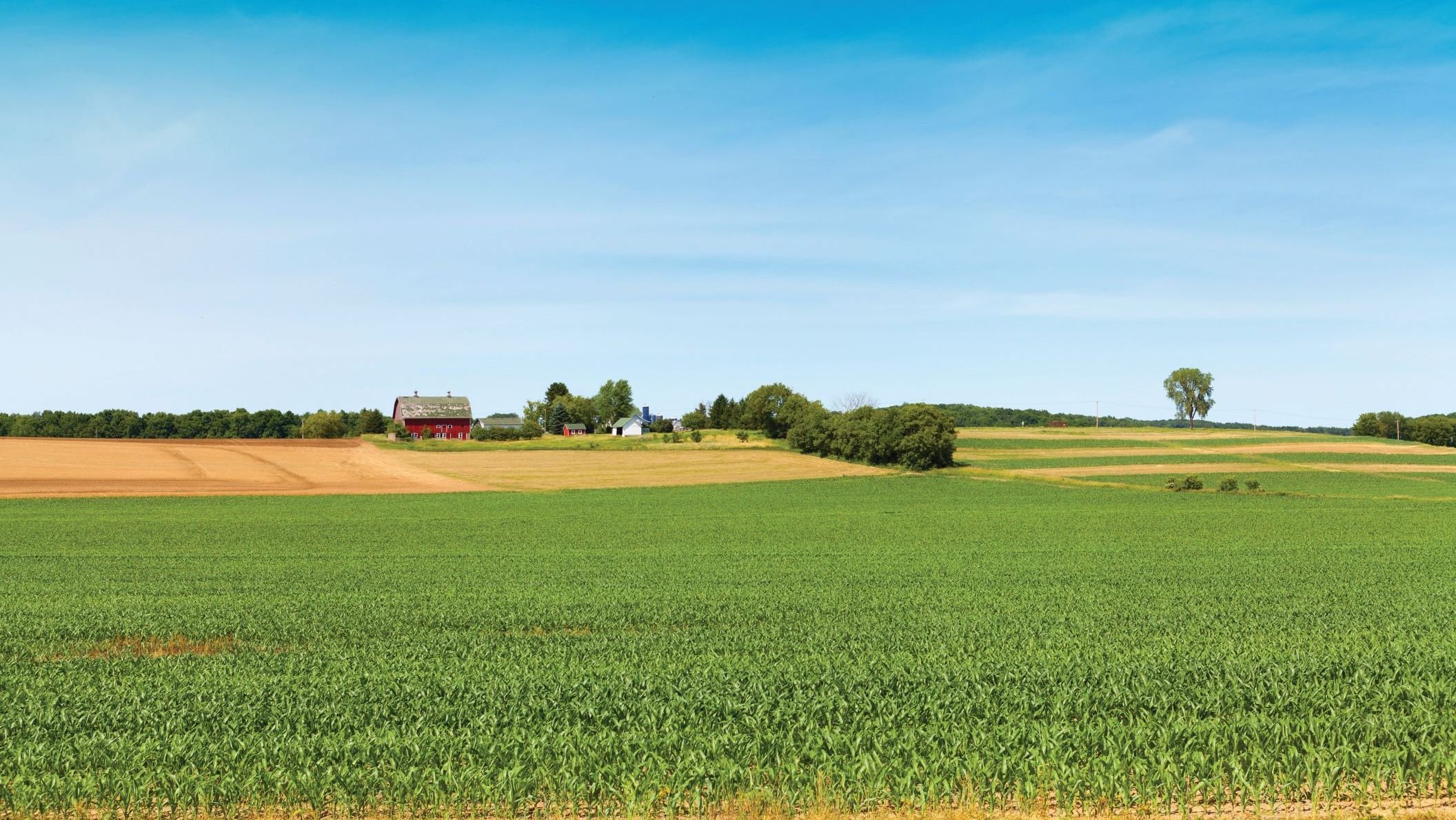
In this area, many of the farms that sold their dairy herds went to growing grain. Farms were consolidated to allow for larger fields and more efficient planting and harvesting. We now grow a lot of corn and soybeans.
Years ago, there was hardly a soybean growing in the area. Today, it is second to corn in the number of acres planted. Some winter wheat has always been planted and, as production and prices improve, there has been an increase in the number of acres. Part of the reason for that is also the demand for straw on dairy herds and other livestock.
So the hustle and bustle of busy, active dairy herds is no longer seen on a large number of farms in the area. Barns are silent, empty or used for storage or perhaps some other livestock. Many have not been maintained and some are falling down, causing a decline in the appearance in rural areas.
The phone call from my friend is part of an ongoing picture.
Submitted by John Parker, professor emeritus, The Ohio State University and an agricultural writer for Farm Bureau.
OFBF Mission: Working together for Ohio farmers to advance agriculture and strengthen our communities.


Members have three ways to apply: contacting a certified agent, calling 833-468-4280 or visiting ohiofarmbureauhealthplans.org.
Read More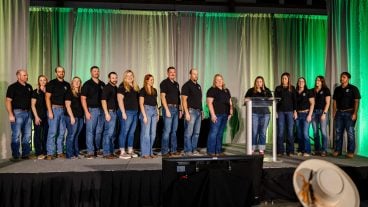
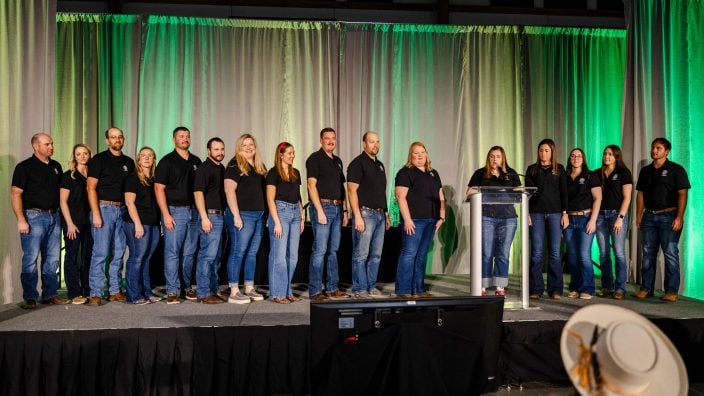
Members ages 18-34 who are interested in developing their leadership skills and enhancing programming for their peers should apply.
Read More
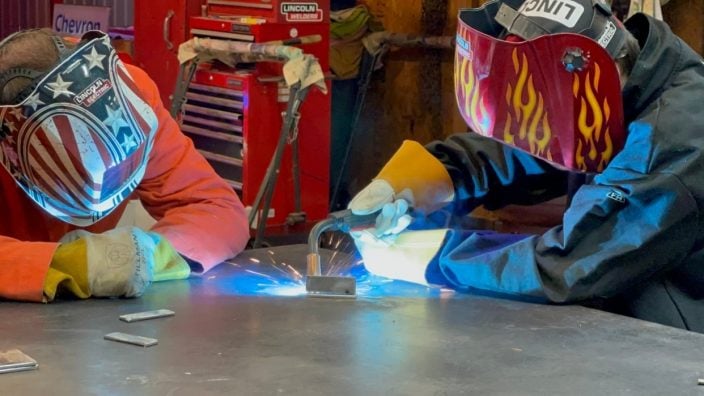
Senate Bill 328 is legislation designed to strengthen career-connected learning and better prepare students for Ohio’s workforce needs.
Read More
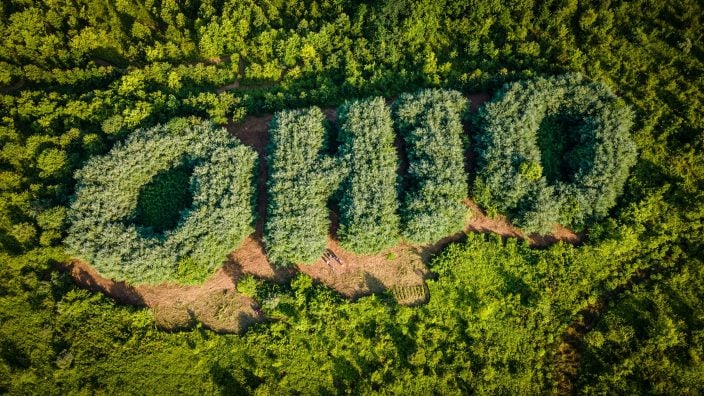
With the Family Forest Carbon Program, you can have a successful farm and get paid to grow healthy forests.
Read More
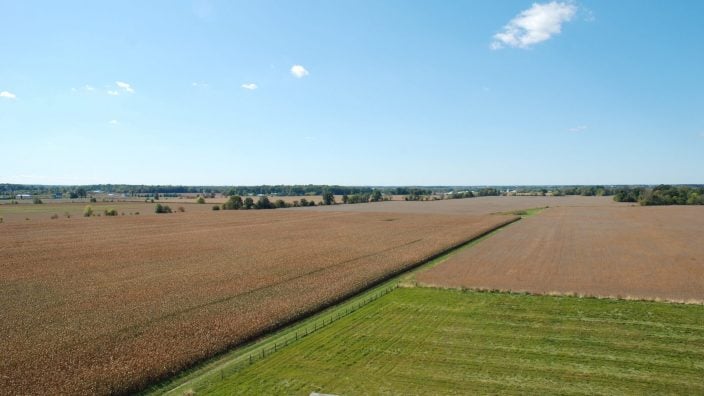
Ohio Farm Bureau recently sent a letter to Congress calling for the swift passage of the Farm, Food, and National Security Act of 2026 (HR 7567).
Read More
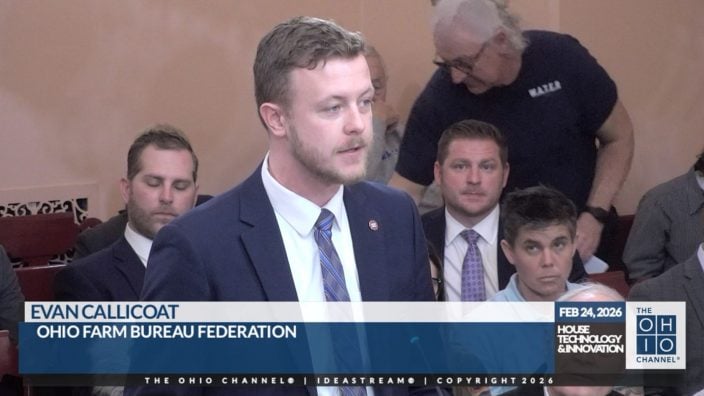
House Bill 646 would establish a Data Center Study Commission to examine the impact of rapid data center development across the state.
Read More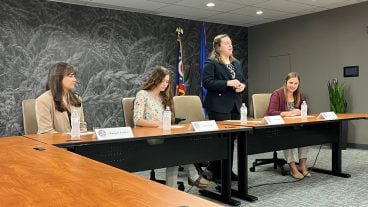
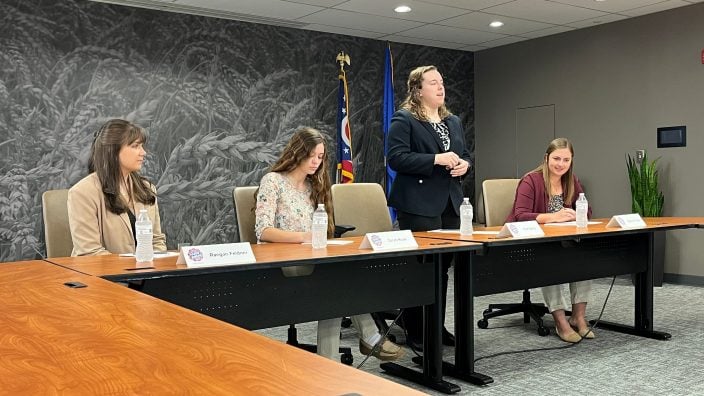
Collegiate Farm Bureau serves as a connection to current industry professionals and equips the next generation with the essential tools and resources needed to excel in their careers.
Read More

Ohio Farm Bureau members met one-on-one with state legislators and staff to discuss policy priorities impacting Ohio’s farms and rural communities.
Read More
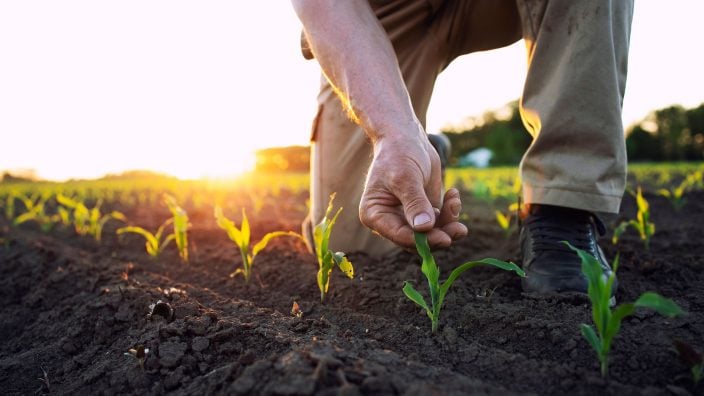
Legacy nutrient deductions enable new farmland owners to claim deductions on the nutrients within the soil on which healthy crops depend.
Read More
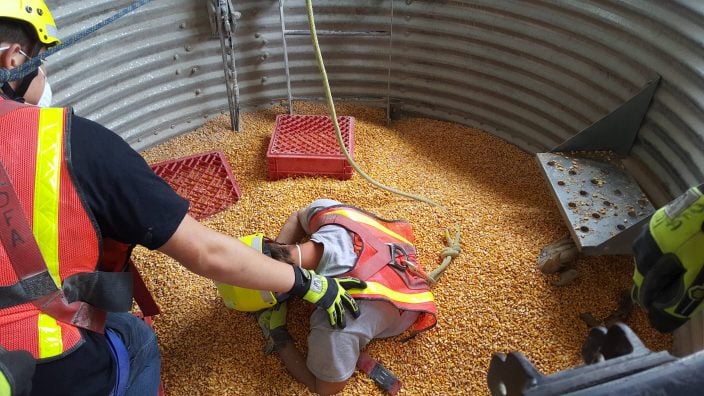
Farmers, agribusinesses and community members are encouraged to nominate their local fire departments for Nationwide’s Nominate Your Fire Department Contest through April 30.
Read More