

Applications for Ohio Farm Bureau Health Plans now available
Members have three ways to apply: contacting a certified agent, calling 833-468-4280 or visiting ohiofarmbureauhealthplans.org.
Read MoreEditor’s Note: Sept. 16, 2019, Ohio Department of Agriculture announced new veterinary inspection requirements for horses entering Ohio. This applies to all horses, including those intending to participate in the All American Quarter Horse Congress. The intent is to prevent the spread of Vesicular Stomatitis (VSV).
State Veterinarian Dr. Tony Forshey has refined the requirements as such:
“All equine entering Ohio from a state where VSV has been diagnosed within the last seven days, or a state that contains a premises quarantined for VSV, shall be accompanied by a certificate of veterinary inspection (health certificate) dated within seven days of entry, containing the following statement, ‘All animals identified on the certificate of veterinary inspection have been inspected and found to be free from clinical signs of vesicular stomatitis.’ “
Horses from quarantined or infected premises are still banned from entering the state.
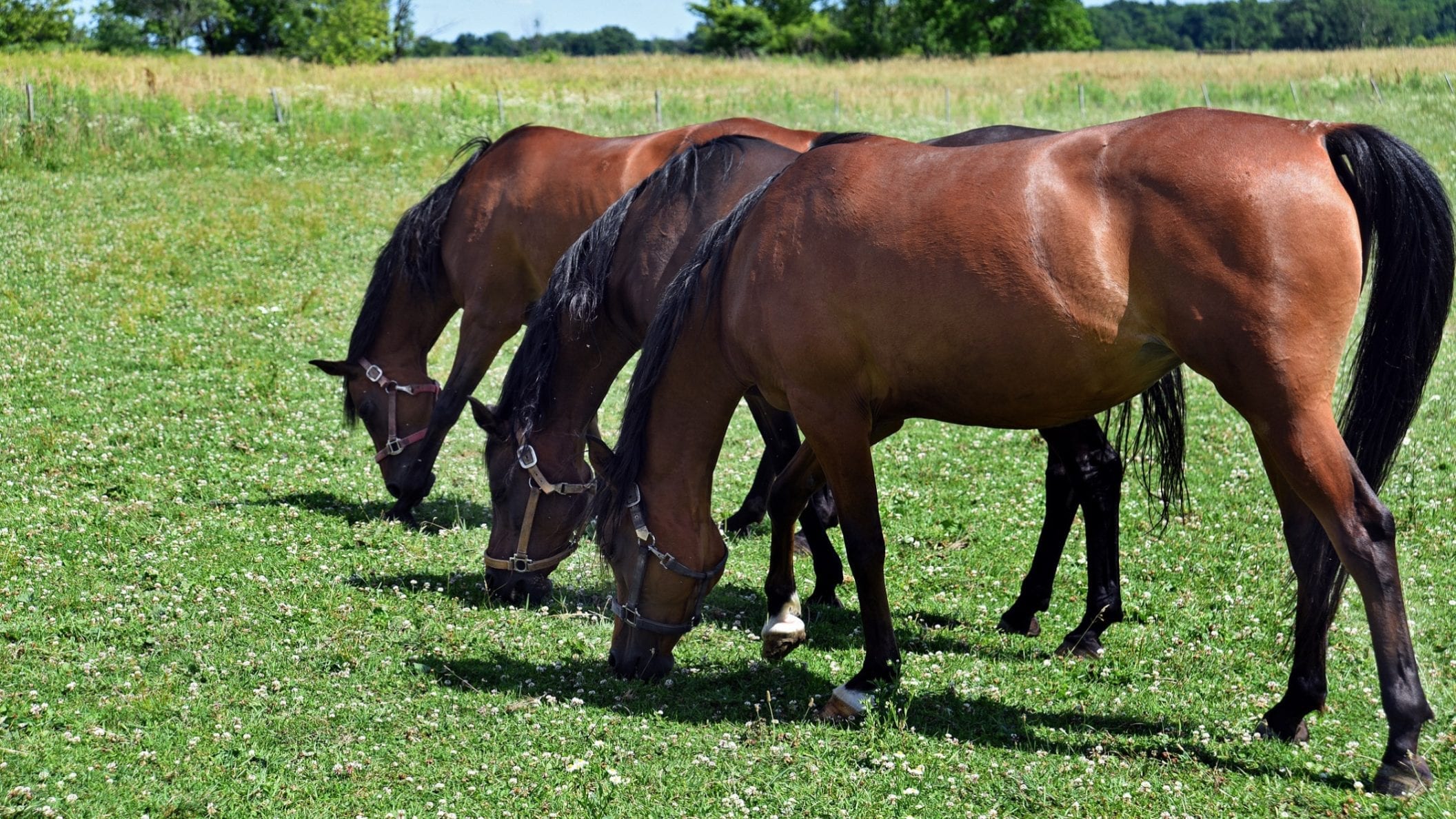
The original article was published Sept. 9: In an effort to protect horses and other livestock in Ohio, the Ohio Department of Agriculture is not allowing the import of horses from counties within states with confirmed and suspected cases of Vesicular Stomatitis (VSV). This restriction includes the All American Quarter Horse Congress, which is scheduled to begin in Columbus Oct. 1.
“VSV has not been detected in Ohio and we are taking every precaution possible to keep it that way,” said ODA State Veterinarian Dr. Tony Forshey. “With the All American Quarter Horse Congress coming, we thought it was important to restrict further movement to prevent the disease’s potential spread.”
VSV is a viral disease that primarily affects horses, but can also infect cattle, swine, sheep and goats. The disease causes blister-like lesions, which burst and leave open wounds. It is extremely painful to animals and can result in the inability to eat and drink and even lameness.
VSV is highly contagious, with biting insects being the most common method of transmission. Humans can also contract VSV by coming into contact with lesions, saliva or nasal secretions from infected animals. In people, the disease causes flu-like symptoms such as fever, muscle ache, headache and nausea.
Currently, VSV has been detected in Colorado, Nebraska, New Mexico, Oklahoma, Texas, Utah and Wyoming with confirmed or suspected cases in specific counties across those states. A current list of suspect and confirmed cases can be found in the U.S. Department of Agriculture’s weekly situation report.
For more information on the disease, visit the USDA’s VSV resource page.


Members have three ways to apply: contacting a certified agent, calling 833-468-4280 or visiting ohiofarmbureauhealthplans.org.
Read More
The executive order waives state penalties and suspends discretionary enforcement related to the use of dyed diesel on public highways through Dec. 31, 2026.
Read More
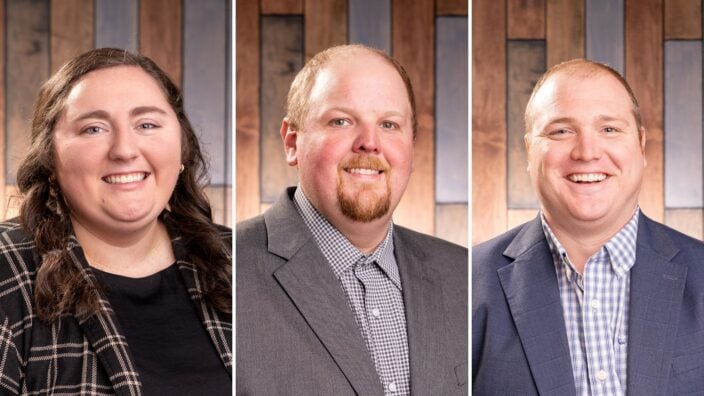
Maggie Preston, Lincoln Deitrick and Denver Davis describe their role in agriculture, their Farm Bureau involvement and what it means to win their respective state awards.
Read More
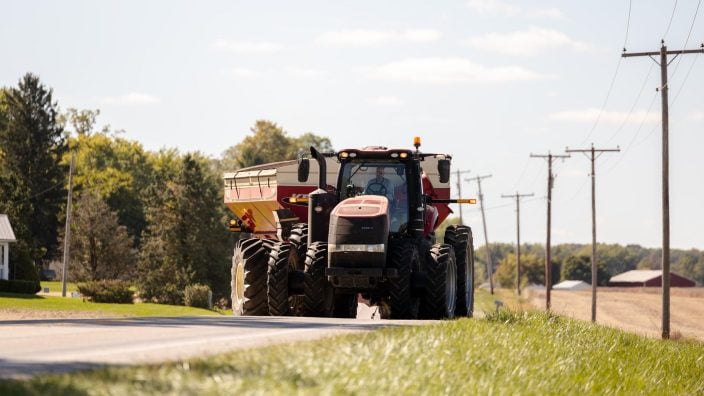
Associate General Counsel Leah Curtis breaks down the changes to Ohio’s fuel tax, recent guidance on dyed diesel and what farm families need to know.
Read More
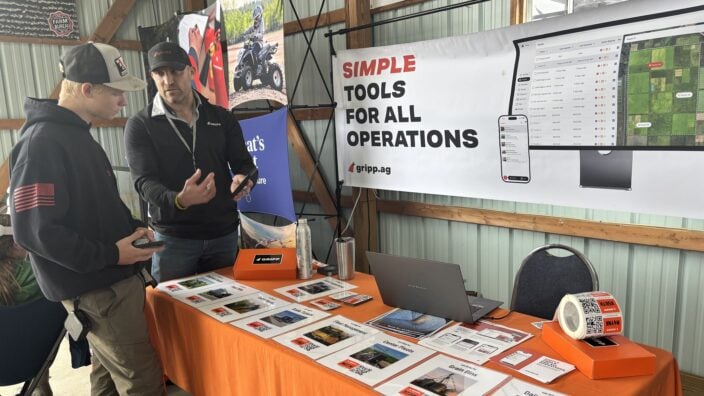
Gripp is launching a 60-day cohort in mid-January for Ohio Farm Bureau members, offering discounted access to its asset-tracking app.
Read More
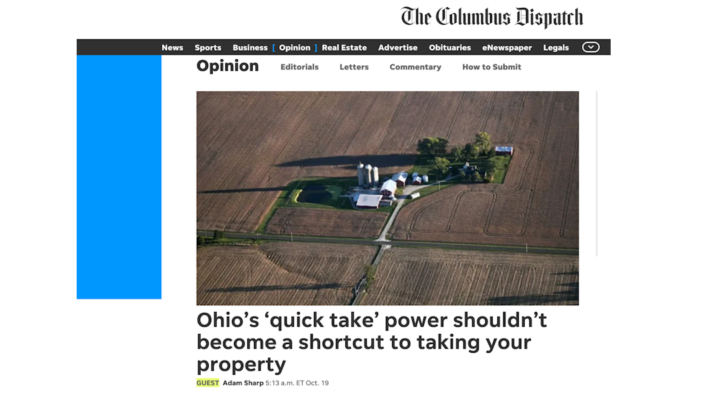
Ohio Farm Bureau recently published an op-ed in The Columbus Dispatch highlighting the importance of protecting private property rights as discussions continue around expanding eminent domain powers in Ohio.
Read More