






Applications for Ohio Farm Bureau Health Plans now available
Members have three ways to apply: contacting a certified agent, calling 833-468-4280 or visiting ohiofarmbureauhealthplans.org.
Read MoreAfrican swine fever has been sweeping through various pockets of the world, threatening the pork market. While this disease has been around for many years, it’s only been in the last year that concern has ramped up about this highly contagious disease. Ohio Farm Bureau Director of Water Quality and Research Jordan Hoewischer discusses why this is the case during a recent Field Day podcast with insight from Dr. Paul Sundberg, executive director of the Swine Health Information Center, and Dr. Liz Wagstrom, chief veterinarian at the National Pork Producers Council.
What is African swine fever?
It’s a highly contagious viral disease with a high mortality rate and affects both domestic and wild pigs. Multiple strains exist with some more virulent than others.
Is it in the United States?
No. It’s been found in Africa, Eastern Europe, Southeast Asia and China where it infected the largest pig herd in the world. China has more than half the world’s pork production and markets 500-600 million pigs per year compared to 120 million in the United States.
Is the disease a threat to human health?
No. It can’t be transmitted from pigs to humans and is not a food safety issue.
Is there a cure?
No. Currently there is no treatment or vaccine available. The only way to stop the disease is to depopulate affected herds.
What are the symptoms?
The disease causes hemorrhaging throughout the organs, and symptoms include fever, discolored skin that is purplish in color, weakness, diarrhea and vomiting and coughing or difficulty breathing.
What is being done to prevent it from infecting U.S. herds?
The Swine Health Information Center has been collaborating with swine veterinary diagnostic labs across the United States to report endemic diseases and keep an eye out for possible cases. The center also has increased education efforts about African swine fever to pork producers and veterinarians.
More intense border protection measures have been put in place with a proposal to add 600 more agricultural inspectors. Additionally, some states have joined forces on developing a response protocol if African swine fever is found there.
Learn more about African swine fever and other emerging issues in agriculture by subscribing to the Field Day with Jordan Hoewischer podcasts.


Members have three ways to apply: contacting a certified agent, calling 833-468-4280 or visiting ohiofarmbureauhealthplans.org.
Read More
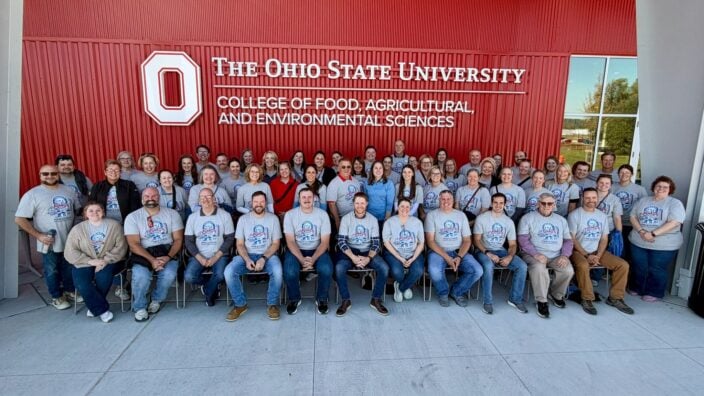
Ohio Farm Bureau joined leaders from across Ohio’s food and agriculture industry this week to pack 10,000 meals for central…
Read More

The administration recently issued an executive order easing restrictions on the use of tax-exempt dyed diesel fuel for on-road agricultural transportation.
Read More

Ohio Farm Bureau Associate General Counsel Leah Curtis explains how the eminent domain process works in Ohio, what ‘quick take’ means and when it can be used.
Read More

As fuel prices skyrocket across the state, lawmakers are preparing to return to the Statehouse to vote on the temporary suspension of Ohio’s gas tax.
Read More

Since 1984, the Conservation Farm Family Awards program has recognized Ohio farm families for their exemplary efforts conserving soil, water, woodland, wildlife, and other natural resources.
Read More
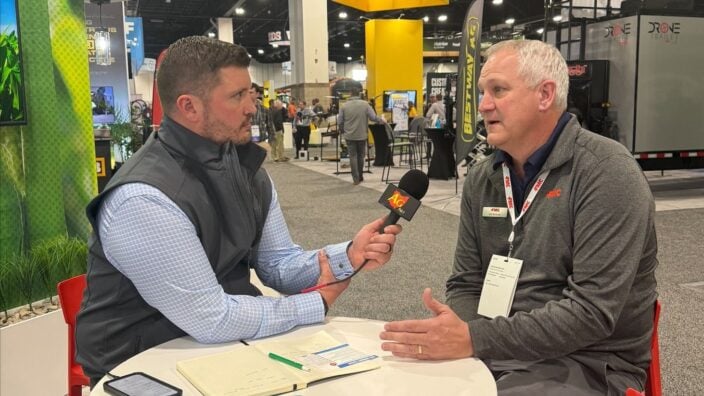
Meet Joe Everett, a Shelby County Farm Bureau Young Ag Professional who has dedicated his life to service, both in uniform and within his local community.
Read More

A year-end review provides an opportunity to evaluate your operation’s financial position, discuss future goals and develop strategies for the upcoming season.
Read More

Ohio Farm Bureau has created a new guide to help members better understand the laws, regulations and risk considerations that come with opening their farms to the public.
Read More

The groups received a firsthand look at agricultural policy, advocacy and leadership in the nation’s capital.
Read More