





Applications for Ohio Farm Bureau Health Plans now available
Members have three ways to apply: contacting a certified agent, calling 833-468-4280 or visiting ohiofarmbureauhealthplans.org.
Read MoreOn March 19, 2020, President Trump signed into law the Families First Coronavirus Response Act, an economic stimulus plan aimed at addressing the impact of the COVID-19 outbreak on Americans. The Act goes into effect April 2, 2020. Employers will be looking for implementation guidance from the Department of Labor and the Internal Revenue Service.
The new law requires 80 hours of paid sick leave for full-time government workers and employees of companies with fewer than 500 employees. Part-time employees must receive a proportionately similar amount. Covered employers must give emergency paid sick leave to any employee, regardless of the length of employment, for a qualifying emergency related to COVID-19. To qualify for emergency paid sick leave, the employee must be unable to work (or telework) because:
The Department of Labor is expected to issue regulations allowing employers of health care providers and emergency responders to opt-out of the benefit and exempt small businesses with fewer than 50 employees from the requirement of providing emergency paid sick leave if it would jeopardize the viability of the business.
The new law also creates a new category under the Family Medical Leave Act for a “qualifying need related to a public health emergency” with respect to COVID-19. Employers with fewer than 500 employees must provide up to 12 weeks of partial paid leave when an employee is unable to work (or telework) due to school or child care closures related to COVID-19. The first 10 days of leave are unpaid (unless an employee voluntarily elects to use existing accrued paid vacation leave, personal leave, or medical or sick leave to cover the unpaid leave), and the remainder of the leave must be paid at least two-thirds of the employee’s regular rate of pay. This expanded leave must be made available to any employee who has been employed for 30 calendar days. The law exempts employers that are health care providers or emergency responders, and public agencies. Exemptions may also be sought by employers with fewer than 50 employees whose economic viability would be jeopardized. This expanded leave is only available until Dec. 31, 2020.
The new law requires health plans to cover COVID-19 testing at no charge. A refundable tax credit for employers that provide paid leave benefits as required by the new law is also included. The U.S. Treasury is expected to use its regulatory authority to advance funds to some small businesses to cover the cost of providing paid sick leave.


Members have three ways to apply: contacting a certified agent, calling 833-468-4280 or visiting ohiofarmbureauhealthplans.org.
Read More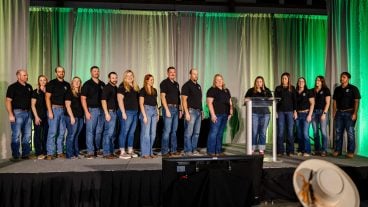
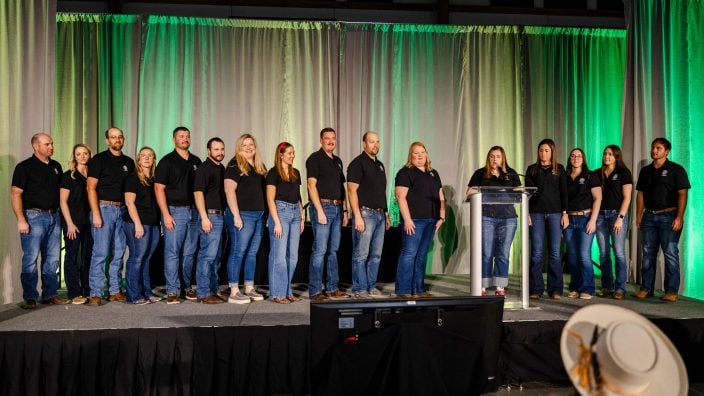
Members ages 18-34 who are interested in developing their leadership skills and enhancing programming for their peers should apply.
Read More

Senate Bill 328 is legislation designed to strengthen career-connected learning and better prepare students for Ohio’s workforce needs.
Read More

With the Family Forest Carbon Program, you can have a successful farm and get paid to grow healthy forests.
Read More

Ohio Farm Bureau recently sent a letter to Congress calling for the swift passage of the Farm, Food, and National Security Act of 2026 (HR 7567).
Read More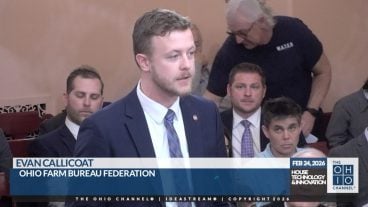
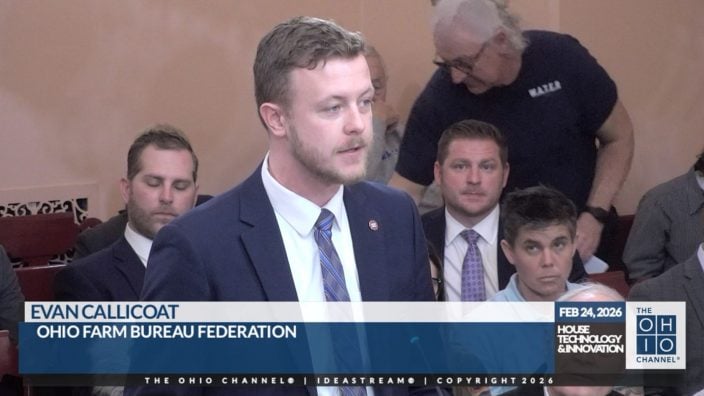
House Bill 646 would establish a Data Center Study Commission to examine the impact of rapid data center development across the state.
Read More
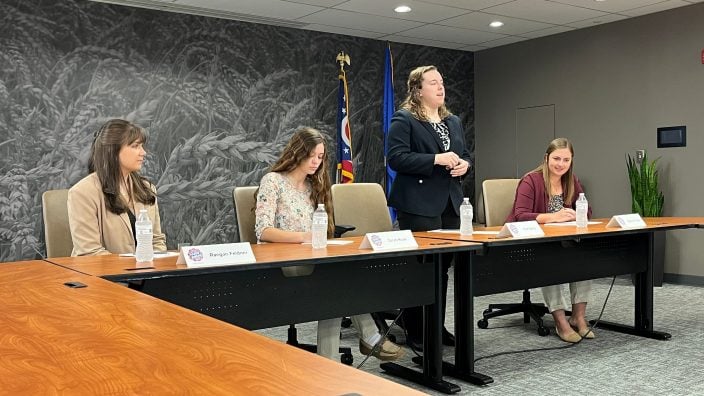
Collegiate Farm Bureau serves as a connection to current industry professionals and equips the next generation with the essential tools and resources needed to excel in their careers.
Read More
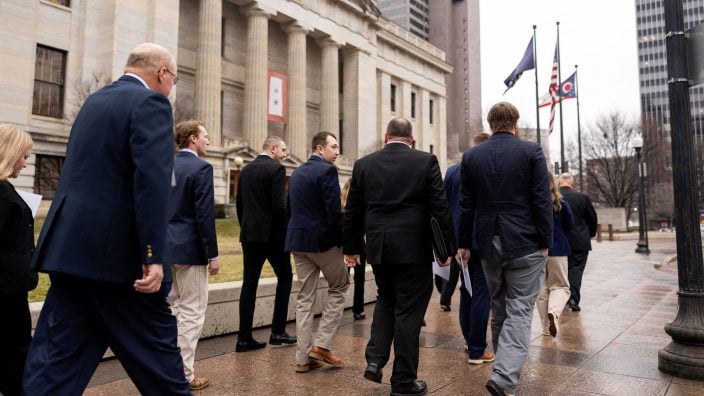
Ohio Farm Bureau members met one-on-one with state legislators and staff to discuss policy priorities impacting Ohio’s farms and rural communities.
Read More

Legacy nutrient deductions enable new farmland owners to claim deductions on the nutrients within the soil on which healthy crops depend.
Read More

Farmers, agribusinesses and community members are encouraged to nominate their local fire departments for Nationwide’s Nominate Your Fire Department Contest through April 30.
Read More