





Applications for Ohio Farm Bureau Health Plans now available
Members have three ways to apply: contacting a certified agent, calling 833-468-4280 or visiting ohiofarmbureauhealthplans.org.
Read MoreWASHINGTON – Today, the Cybersecurity and Infrastructure Security Agency released guidance to help state and local jurisdictions and the private sector identify and manage their essential workforce while responding to COVID-19.
As the nation comes together to slow the spread of COVID-19, the president issued updated Coronavirus Guidance for America March 16. This guidance states that:
“If you work in a critical infrastructure industry, as defined by the Department of Homeland Security, such as healthcare services and pharmaceutical and food supply, you have a special responsibility to maintain your normal work schedule.”
CISA executes the Secretary of Homeland Security’s responsibilities as assigned under the Homeland Security Act of 2002 to provide strategic guidance, promote a national unity of effort, and coordinate the overall federal effort to ensure the security and resilience of the Nation’s critical infrastructure.
The list of Essential Critical Infrastructure Workers was developed in coordination with federal agencies and the private sector as a guide to help decision-makers within communities understand how to ensure continuity of essential functions and critical workforce as they consider COVID-related restrictions in certain communities (e.g., shelter-in-place). Ohio Farm Bureau provided comments for this listing.
The list can also inform critical infrastructure community decision-making to determine the sectors, sub sectors, segments, or critical functions that should continue normal operations, appropriately modified to account for Centers for Disease Control (CDC) workforce and customer protection guidance. Food and agriculture is among those critical functions that include but are not limited to, systems that support healthcare personnel (e.g., doctors, nurses, laboratory personnel, etc.), the food industry (e.g., retail groceries and pharmacies), communication providers (e.g., operator, call centers, IT data centers), defense systems support, law enforcement, public works, and other essential operations. Workers who support these critical functions are necessary to keep critical systems and assets working.
“As the nation comes together to slow the spread of COVID-19, everyone has a role to play in protecting public health and safety. Many of the men and women who work across our nation’s critical infrastructure industries are hard at work keeping the lights on, water flowing from the tap, groceries on the shelves, among other countless essential services,” said Christopher Krebs, CISA Director. “As the nation’s risk advisor, this list is meant to provide additional guidance to state and local partners, as well as industry, building on the president’s statement that critical infrastructure industries have a special responsibility to keep normal operations. We’re providing recommendations for these partners as they carry out their mission to keep their communities safe, healthy, and resilient. And on behalf of CISA, we thank the brave men and women who continue these essential jobs in challenging times.”
The list of Essential Critical Infrastructure Workers was developed using existing data and analysis, including publicly available analysis done by the president’s National Infrastructure Advisory Council in 2007. The list does not impose any mandates on state or local jurisdictions or private companies.
CISA will use this list to support federal, state, local, tribal, and territorial government response to COVID-19. View the full list of Essential Critical Infrastructure Workers and other details.


Members have three ways to apply: contacting a certified agent, calling 833-468-4280 or visiting ohiofarmbureauhealthplans.org.
Read More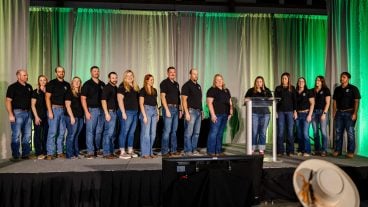
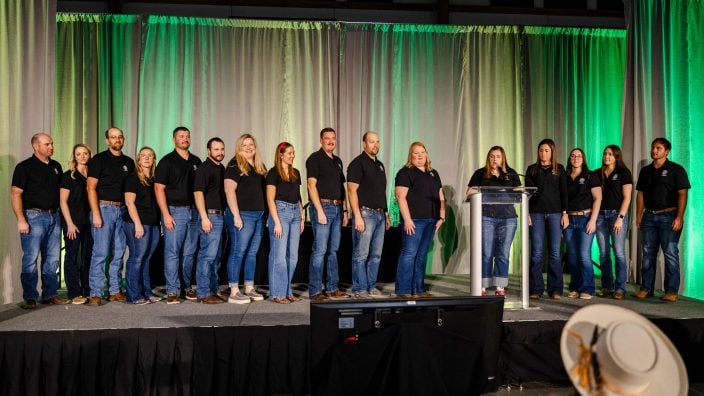
Members ages 18-34 who are interested in developing their leadership skills and enhancing programming for their peers should apply.
Read More

Senate Bill 328 is legislation designed to strengthen career-connected learning and better prepare students for Ohio’s workforce needs.
Read More

With the Family Forest Carbon Program, you can have a successful farm and get paid to grow healthy forests.
Read More
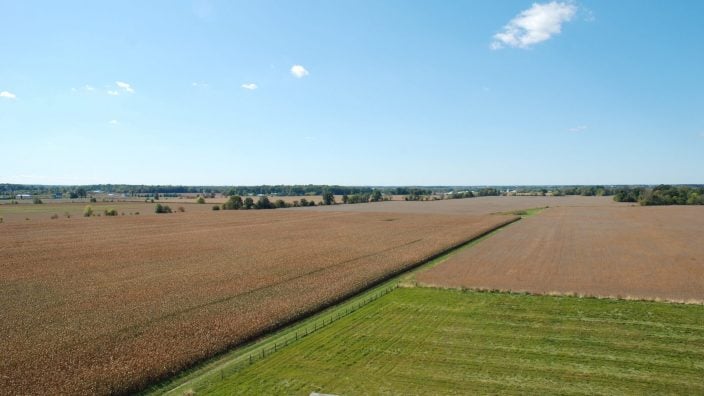
Ohio Farm Bureau recently sent a letter to Congress calling for the swift passage of the Farm, Food, and National Security Act of 2026 (HR 7567).
Read More
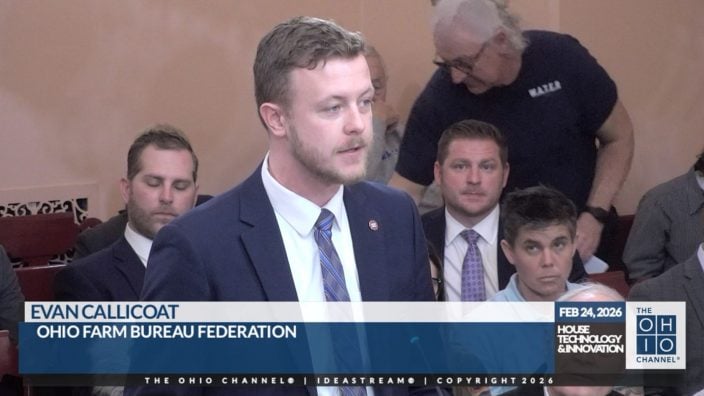
House Bill 646 would establish a Data Center Study Commission to examine the impact of rapid data center development across the state.
Read More
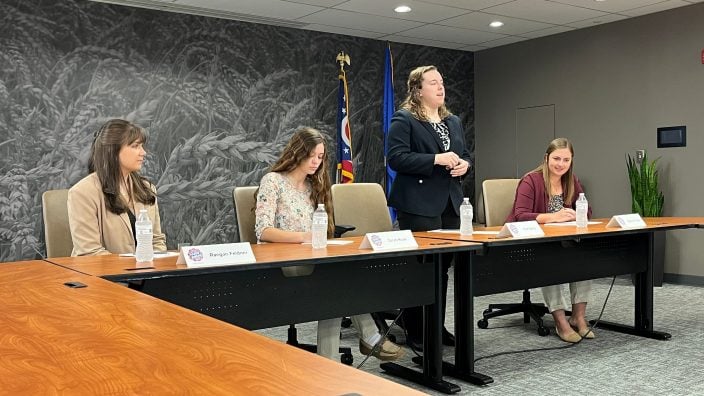
Collegiate Farm Bureau serves as a connection to current industry professionals and equips the next generation with the essential tools and resources needed to excel in their careers.
Read More

Ohio Farm Bureau members met one-on-one with state legislators and staff to discuss policy priorities impacting Ohio’s farms and rural communities.
Read More

Legacy nutrient deductions enable new farmland owners to claim deductions on the nutrients within the soil on which healthy crops depend.
Read More
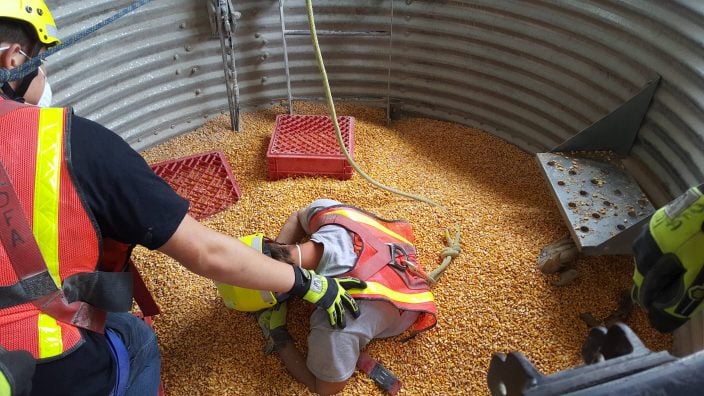
Farmers, agribusinesses and community members are encouraged to nominate their local fire departments for Nationwide’s Nominate Your Fire Department Contest through April 30.
Read More