


Applications for Ohio Farm Bureau Health Plans now available
Members have three ways to apply: contacting a certified agent, calling 833-468-4280 or visiting ohiofarmbureauhealthplans.org.
Read MoreMarch 26, the United States Environmental Protection Agency released a temporary policy regarding the agency’s enforcement of environmental legal obligations during the COVID-19 pandemic. EPA is cognizant of potential worker shortages due to the COVID-19 pandemic as well as the travel and social distancing restrictions imposed by both governments and corporations or recommended by the Centers for Disease Control and Prevention to limit the spread of COVID-19.
The consequences of the pandemic may affect facility operations and the availability of key staff and contractors as well as the ability of laboratories to timely analyze samples and provide results. As a result, there may be constraints on the ability of a facility or laboratory to carry out certain activities required by federal environmental permits, regulations and statutes. Facilities are encouraged to do everything possible to comply with their environmental compliance obligations.
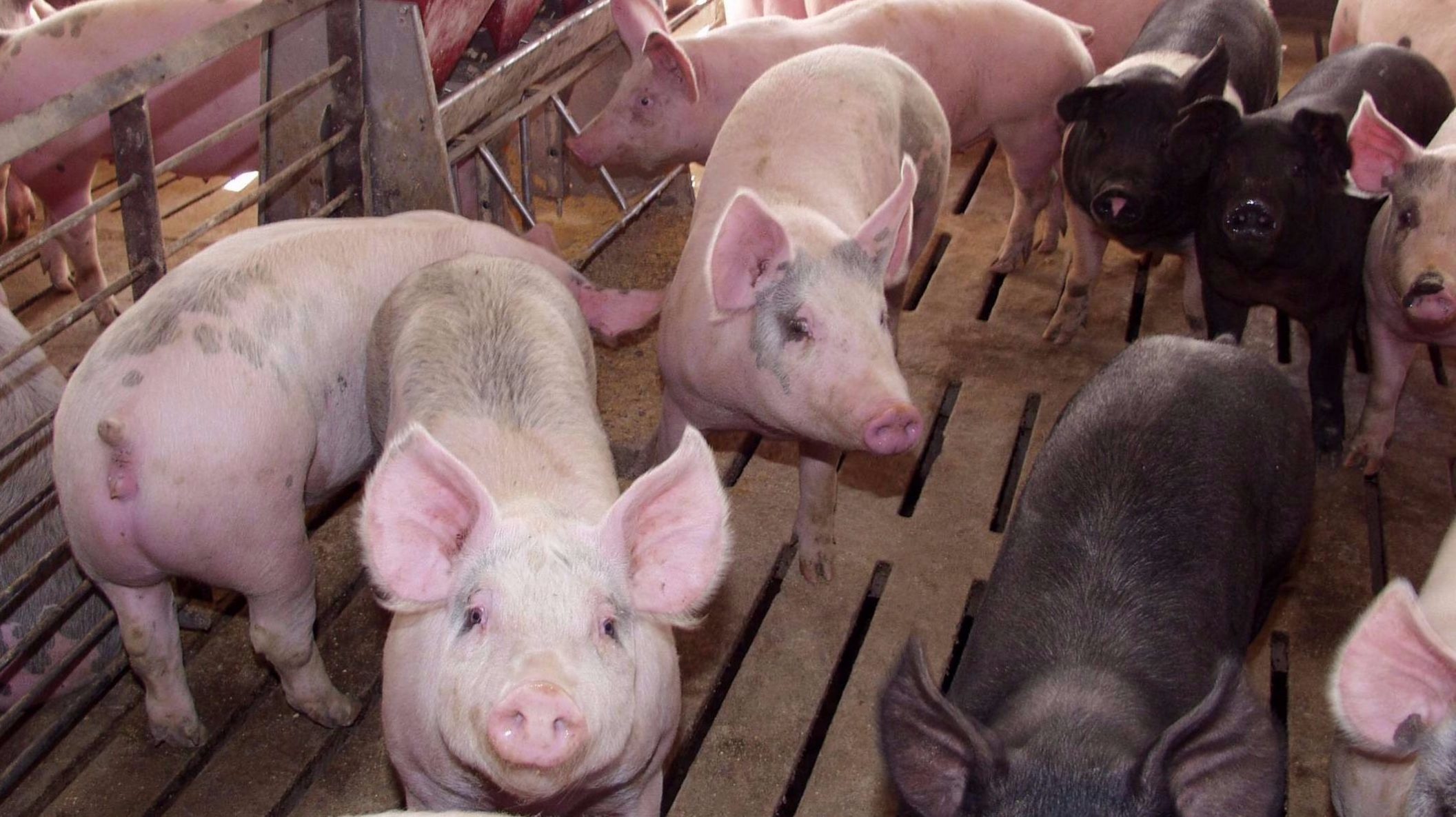
The EPA expects all regulated entities to continue to manage and operate their facilities in a manner that is safe and that protects the public and the environment. However, if a facility is an animal feeding operation, and due to disruptions caused by the COVID-19 pandemic it is unable to transfer animals off-site, and solely as a result of the pandemic now meets the regulatory definition of concentrated animal feeding operation (CAFO), as an exercise of enforcement discretion, the EPA will not treat such animal feeding operations as CAFOs (or will not treat small CAFOs as medium CAFOs, or medium CAFOs as large CAFOs).
OFBF staff reached out to the Ohio Department of Agriculture Division of Livestock Environmental Permitting to determine what if any actions the division plans to take given the situation described above. ODA does not envision making any referrals to the attorney general’s office just because a livestock facility went over a permit threshold related to the number of livestock housed at the facility due to the COVID-19 pandemic.


Members have three ways to apply: contacting a certified agent, calling 833-468-4280 or visiting ohiofarmbureauhealthplans.org.
Read More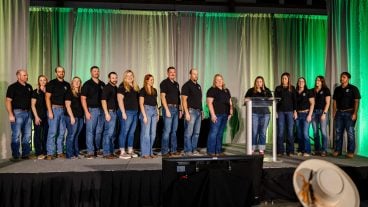
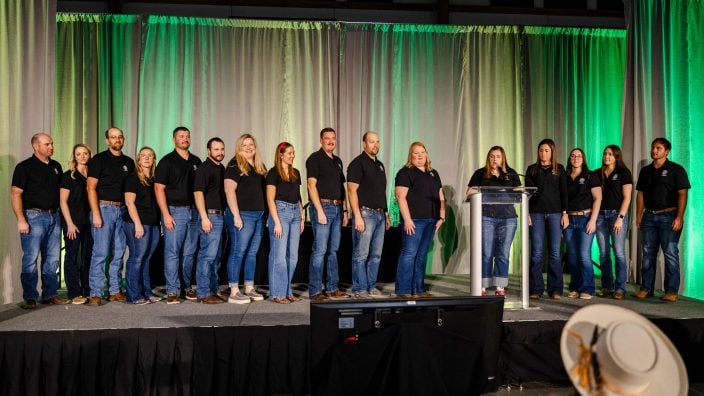
Members ages 18-34 who are interested in developing their leadership skills and enhancing programming for their peers should apply.
Read More
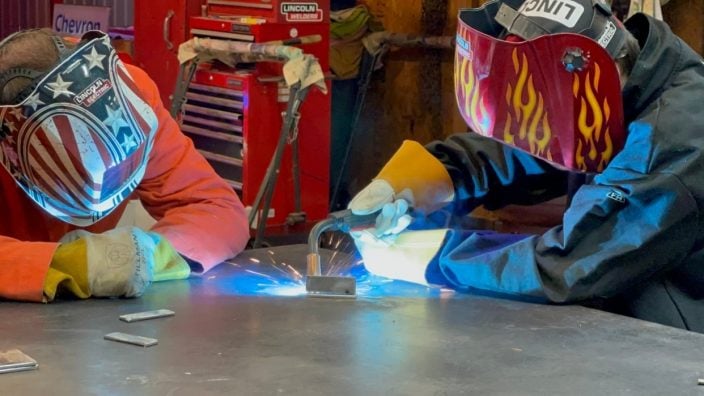
Senate Bill 328 is legislation designed to strengthen career-connected learning and better prepare students for Ohio’s workforce needs.
Read More
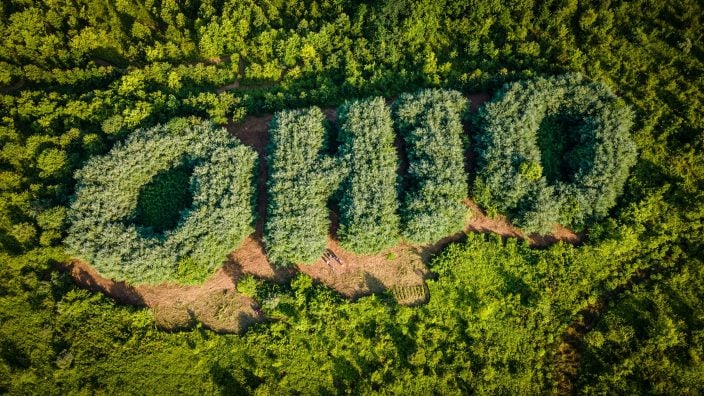
With the Family Forest Carbon Program, you can have a successful farm and get paid to grow healthy forests.
Read More
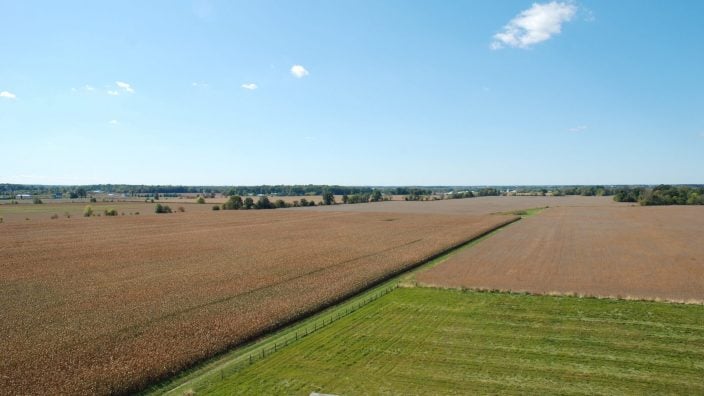
Ohio Farm Bureau recently sent a letter to Congress calling for the swift passage of the Farm, Food, and National Security Act of 2026 (HR 7567).
Read More
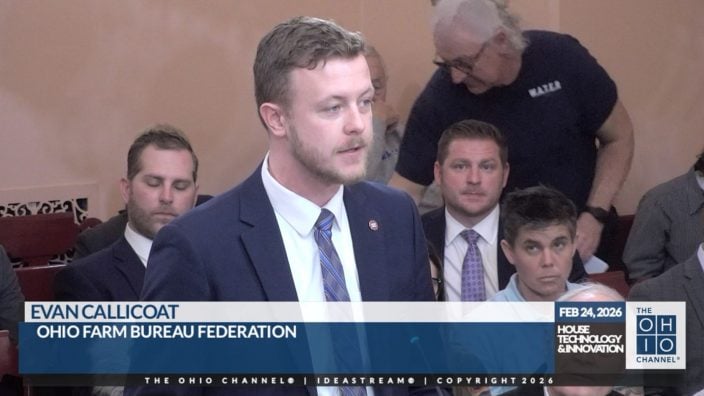
House Bill 646 would establish a Data Center Study Commission to examine the impact of rapid data center development across the state.
Read More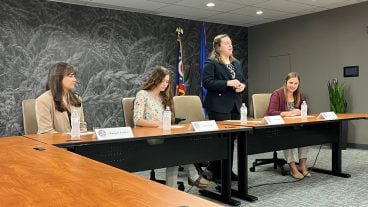
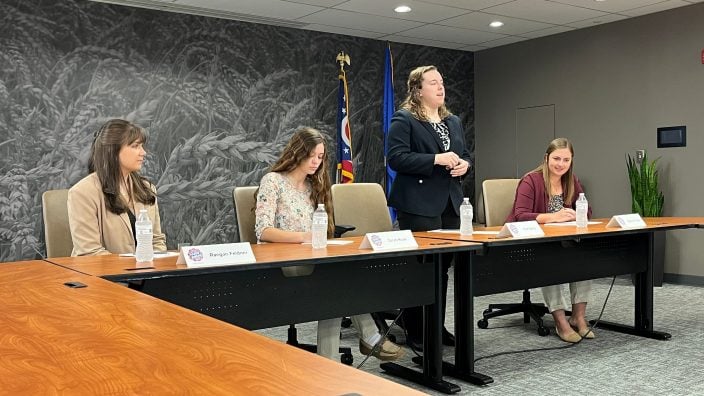
Collegiate Farm Bureau serves as a connection to current industry professionals and equips the next generation with the essential tools and resources needed to excel in their careers.
Read More
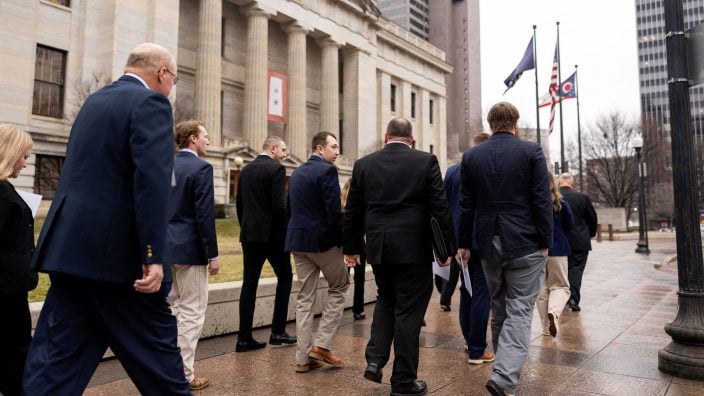
Ohio Farm Bureau members met one-on-one with state legislators and staff to discuss policy priorities impacting Ohio’s farms and rural communities.
Read More

Legacy nutrient deductions enable new farmland owners to claim deductions on the nutrients within the soil on which healthy crops depend.
Read More
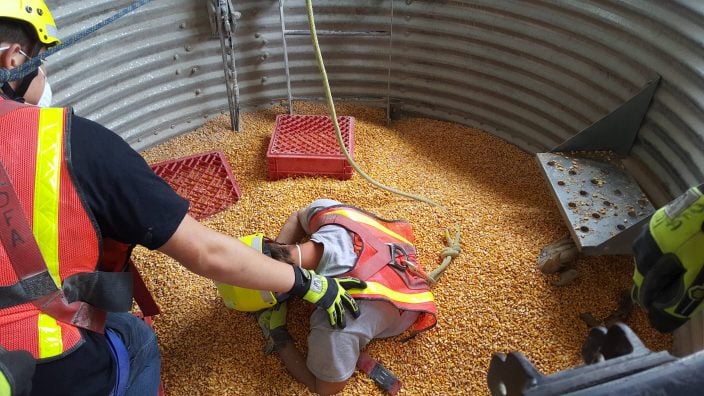
Farmers, agribusinesses and community members are encouraged to nominate their local fire departments for Nationwide’s Nominate Your Fire Department Contest through April 30.
Read More