



Applications for Ohio Farm Bureau Health Plans now available
Members have three ways to apply: contacting a certified agent, calling 833-468-4280 or visiting ohiofarmbureauhealthplans.org.
Read MoreDuring the COVID-19 crisis, more and more people are turning to local farmers and smaller “mom and pop” producers for their basic needs. Trying to take care of the new influx of customers can be daunting, especially with limited staff trying to abide by all the parameters set forth by the need to social distance and still operate an essential business.
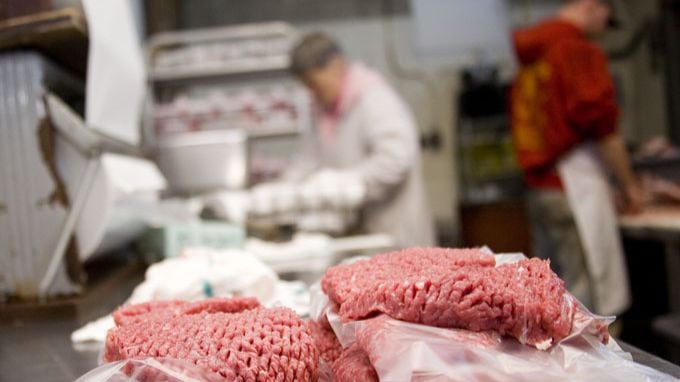
Ohio Farm Bureau’s Mandy Orahood, organization director for Ashtabula, Geauga, Lake and Trumbull counties, recently spoke of one member who was ready to close the storefront of their small meat processing facility because of the increase in foot traffic into their facility.
“They have been incredibly busy and can’t even get most of the orders fulfilled,” she said, noting that they are in a unique situation. Their store is located in a tourist area in the state and people are coming to “quarantine” away from people they are close to who might have been exposed to the novel coronavirus. The member is concerned about the health and well being of themselves, their employees and other customers entering the store.
Knowing the unique needs of their small business, Orahood gave them some tips to proceed during this trying time.
“The tips I gave them aren’t anything new and creative,” she said. “They are just so overwhelmed that I think having ideas come from an outside source is helpful. It is critical to our food supply that those essential employees producing, processing, shipping and stocking shelves remain healthy. Don’t ever feel bad about implementing practices to keep you, your staff, customers and families safe and healthy.”
Increase awareness/Get your point across
Other ideas
Use curbside only – Lock the doors; no customers can enter
Connect with customers


Members have three ways to apply: contacting a certified agent, calling 833-468-4280 or visiting ohiofarmbureauhealthplans.org.
Read More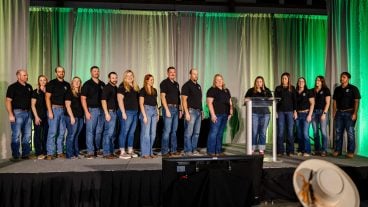
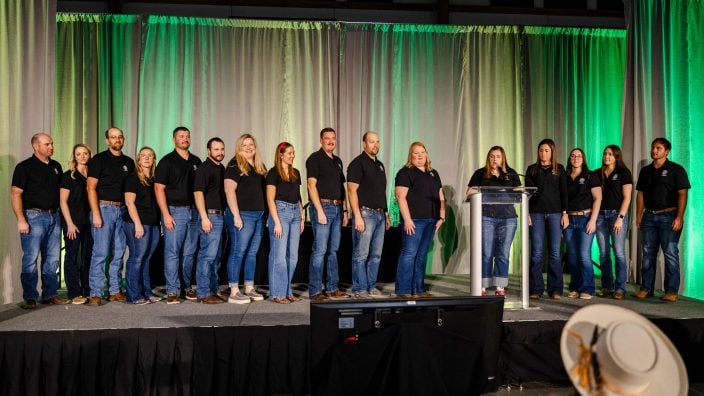
Members ages 18-34 who are interested in developing their leadership skills and enhancing programming for their peers should apply.
Read More

Senate Bill 328 is legislation designed to strengthen career-connected learning and better prepare students for Ohio’s workforce needs.
Read More

With the Family Forest Carbon Program, you can have a successful farm and get paid to grow healthy forests.
Read More
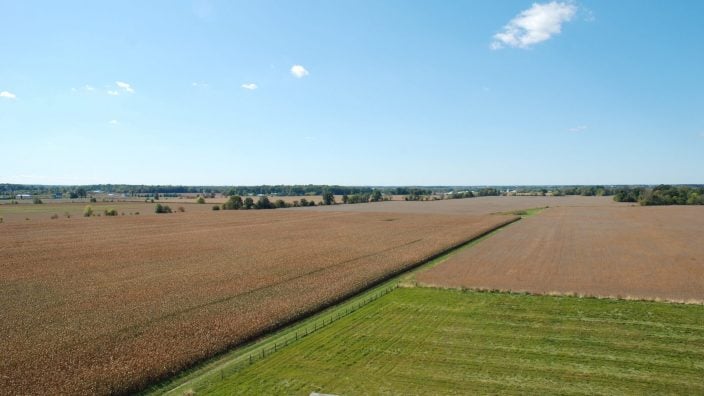
Ohio Farm Bureau recently sent a letter to Congress calling for the swift passage of the Farm, Food, and National Security Act of 2026 (HR 7567).
Read More
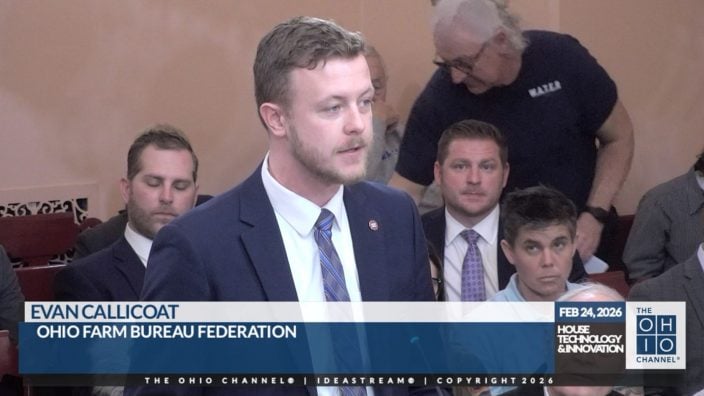
House Bill 646 would establish a Data Center Study Commission to examine the impact of rapid data center development across the state.
Read More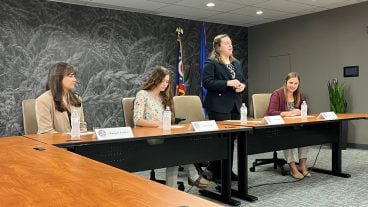
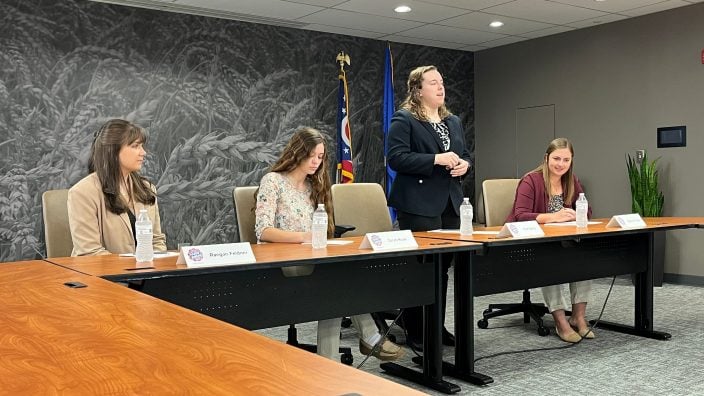
Collegiate Farm Bureau serves as a connection to current industry professionals and equips the next generation with the essential tools and resources needed to excel in their careers.
Read More

Ohio Farm Bureau members met one-on-one with state legislators and staff to discuss policy priorities impacting Ohio’s farms and rural communities.
Read More

Legacy nutrient deductions enable new farmland owners to claim deductions on the nutrients within the soil on which healthy crops depend.
Read More
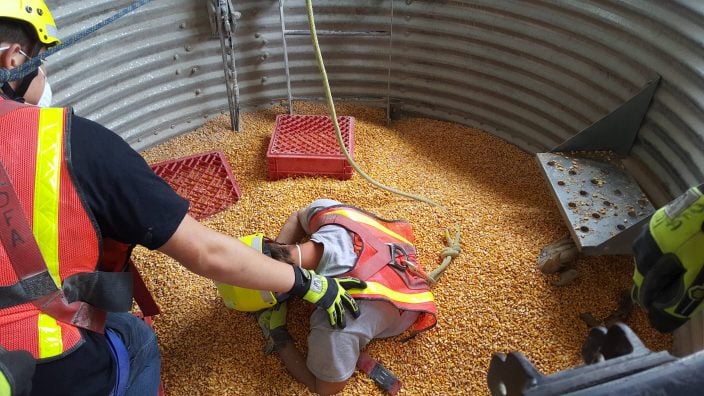
Farmers, agribusinesses and community members are encouraged to nominate their local fire departments for Nationwide’s Nominate Your Fire Department Contest through April 30.
Read More