





Applications for Ohio Farm Bureau Health Plans now available
Members have three ways to apply: contacting a certified agent, calling 833-468-4280 or visiting ohiofarmbureauhealthplans.org.
Read MoreAs the COVID-19 pandemic began to unfold and Gov. Mike DeWine issued stay-at-home orders, many essential items typically easy to find at the grocery store were quickly in limited supply. It didn’t take long for retailers to place limits on many items, including milk.
Some limits on milk are still being implemented across Ohio, when in fact there is a surplus of milk being produced daily on farms. This unfortunate combination has many farms across the Midwest being forced to dump milk because processing plants have no more storage room.
“Dairy farmers and their employees wake up every single day to take care of the cows, make sure they’re fed and fill up that milk tank on the farm,” said Scott Higgins, CEO of the American Dairy Association Mideast. “The challenge we are dealing with is that the milk that was used to produce cheese, butter and other staples of the restaurant industry now needs to be delivered to consumers through the grocery stores and now those stores have to be able to rise to that occasion.”
Ohio Farm Bureau has partnered with the American Dairy Association Mideast, along with regional dairy cooperatives as they communicate directly with retailers, expressing farmers’ serious concerns about unnecessary limitations at the milk case.
“Outreach efforts with grocers and other retail outlets have been very productive,” said Adam Sharp, executive vice president of Ohio Farm Bureau. “We appreciate working with these groups to secure the removal of milk limits across the state.”
If you see an Ohio store that is limiting milk purchases, take a picture, note the location, date and time, and send it to [email protected] so that specific store can be contacted directly.
A letter has been sent to USDA Secretary Sonny Perdue from American Farm Bureau, speaking on behalf of Ohio Farm Bureau and all state Farm Bureaus, urging USDA to examine every possible way to support the dairy sector and relaying policy suggestions that should be implemented with the $9.5 billion allocated for USDA in the recently passed CARES Act to help dairy farmers forced to dump their milk. Read more about those efforts in the coming days.
ODA guidelines: On-Farm Emergency Disposal of Raw Milk for Ohio Dairy Farms


Members have three ways to apply: contacting a certified agent, calling 833-468-4280 or visiting ohiofarmbureauhealthplans.org.
Read More

Gripp is launching a 60-day cohort in mid-January for Ohio Farm Bureau members, offering discounted access to its asset-tracking app.
Read More

Ohio Farm Bureau recently published an op-ed in The Columbus Dispatch highlighting the importance of protecting private property rights as discussions continue around expanding eminent domain powers in Ohio.
Read More

These discussions should not begin and end with a developer’s offer. Identifying family goals now gives the family something to plan around.
Read More
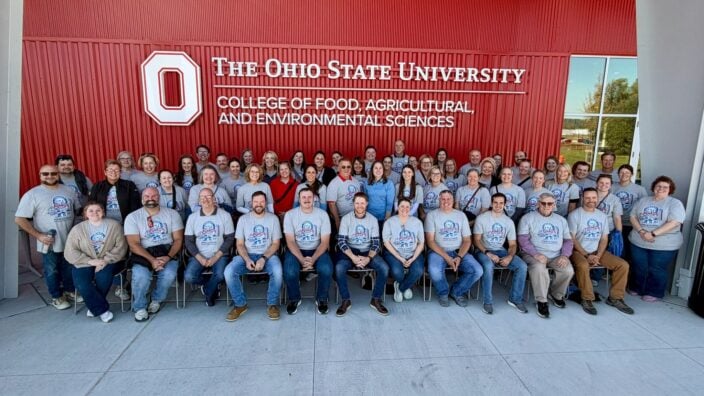
Ohio Farm Bureau joined leaders from across Ohio’s food and agriculture industry this week to pack 10,000 meals for central…
Read More
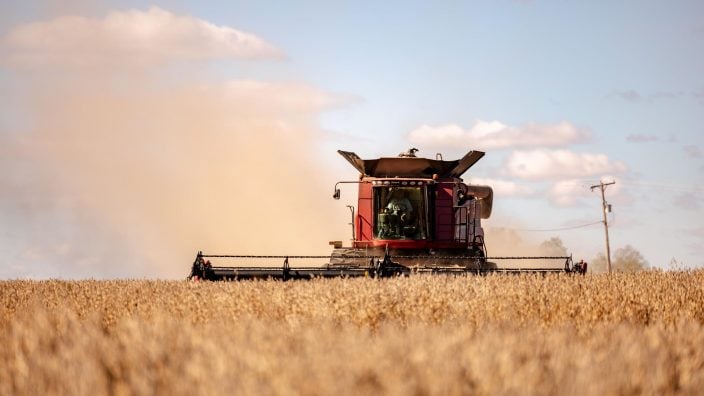
The administration recently issued an executive order easing restrictions on the use of tax-exempt dyed diesel fuel for on-road agricultural transportation.
Read More
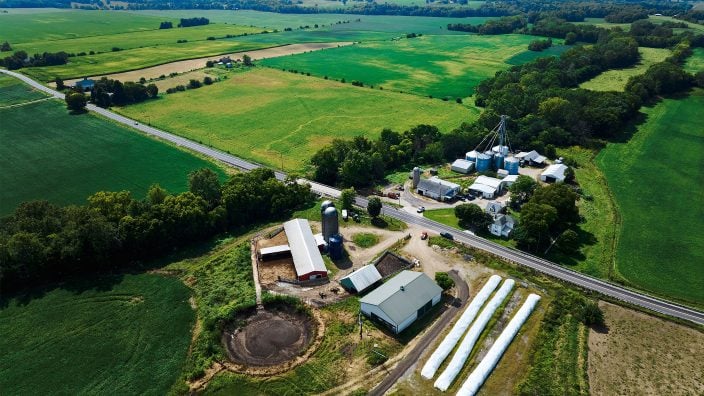
Ohio Farm Bureau Associate General Counsel Leah Curtis explains how the eminent domain process works in Ohio, what ‘quick take’ means and when it can be used.
Read More

As fuel prices skyrocket across the state, lawmakers are preparing to return to the Statehouse to vote on the temporary suspension of Ohio’s gas tax.
Read More

Since 1984, the Conservation Farm Family Awards program has recognized Ohio farm families for their exemplary efforts conserving soil, water, woodland, wildlife, and other natural resources.
Read More
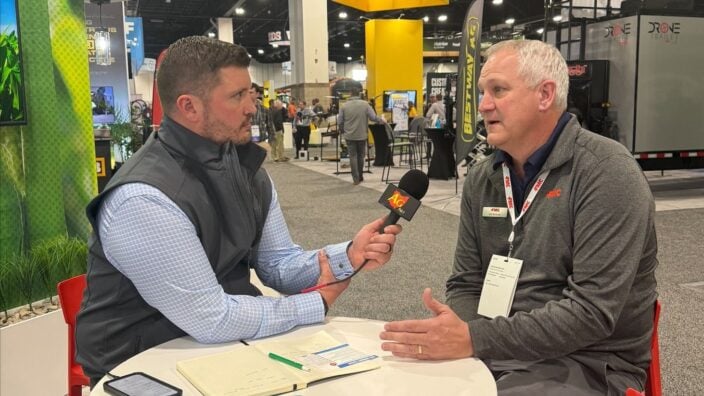
Meet Joe Everett, a Shelby County Farm Bureau Young Ag Professional who has dedicated his life to service, both in uniform and within his local community.
Read More