

Applications for Ohio Farm Bureau Health Plans now available
Members have three ways to apply: contacting a certified agent, calling 833-468-4280 or visiting ohiofarmbureauhealthplans.org.
Read MoreOhio Gov. Mike DeWine was joined by Lt. Gov. Jon Husted Wednesday to request the Ohio Bureau of Workers’ Compensation send up to $5 billion in dividends to Ohio employers to ease the continued financial impact from the COVID-19 pandemic.
“This pandemic is unprecedented and continues to financially impact Ohio employers and businesses,” said DeWine. “Issuing these dividends is important. This is about keeping businesses open and people employed.”
If approved by BWC’s board of directors, it would bring the total dividend dollars for employers this year to nearly $8 billion.
“As Ohio businesses confront the economic challenges of a COVID world, this kind of financial relief can be the difference between closing and staying open,” Husted said. “We don’t want Ohio businesses and the jobs they create to be a casualty of the pandemic.”
The $5 billion dividend would be BWC’s third dividend of more than $1 billion this year and the largest one-time dividend it has ever issued. BWC distributed $1.54 billion in April and $1.34 billion in October. At $5 billion, this dividend is approximately four times the total premiums BWC collected from its employer members in policy year 2019.
Ohio Farm Bureau Executive Vice President Adam Sharp joined the governor for the announcement of these possible dividends and shared how these funds will benefit the agricultural community.
“It is no secret that with the pandemic, global disruptions and uncertainty, and an untold number of other challenges, our agricultural community has seen some serious negative economic impacts,” Sharp said during the news conference. “The potential to return billions of dollars to our communities is vitally important as it will give businesses across the state the needed resources and cash to remain competitive and reinvest in their workforces and their safety.
According to DeWine, Ohio farms should expect to see a dividend of $9,500, on average.
Despite the pandemic, BWC remains in a strong fiscal position from healthy investment returns on employer premiums, a declining number of claims each year and prudent fiscal management.
BWC’s board of directors is tentatively scheduled to vote on the request during a special meeting Monday, Nov. 2, 2020 and checks could be delivered as early as the first week of December. Visit bwc.ohio.gov to confirm board details.
Funded by employer premiums, BWC provides workers’ compensation insurance to approximately 245,000 private employers and 4,000 public employers, such as cities, counties, and schools.


Members have three ways to apply: contacting a certified agent, calling 833-468-4280 or visiting ohiofarmbureauhealthplans.org.
Read More
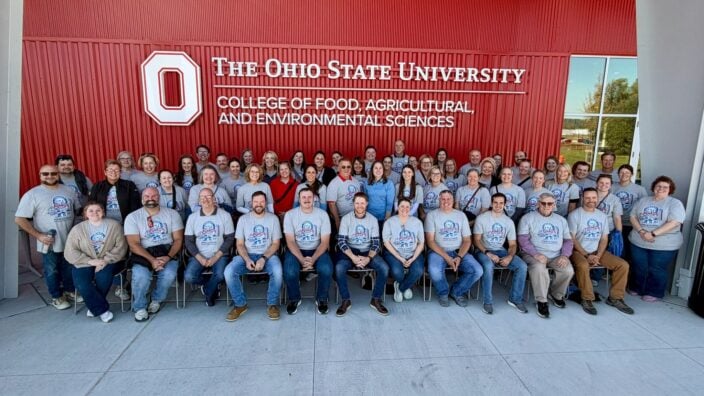
Ohio Farm Bureau joined leaders from across Ohio’s food and agriculture industry this week to pack 10,000 meals for central…
Read More
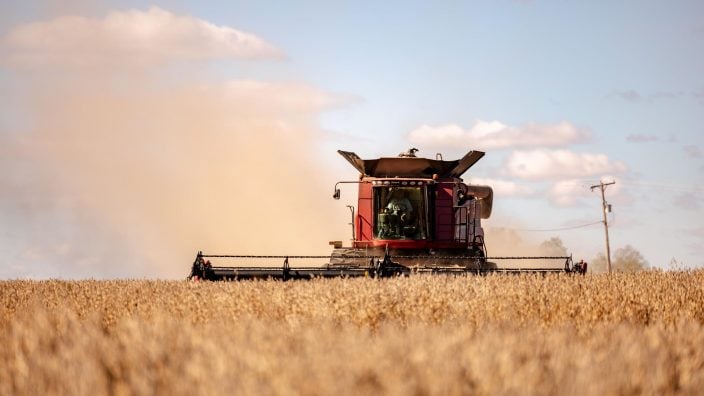
The administration recently issued an executive order easing restrictions on the use of tax-exempt dyed diesel fuel for on-road agricultural transportation.
Read More
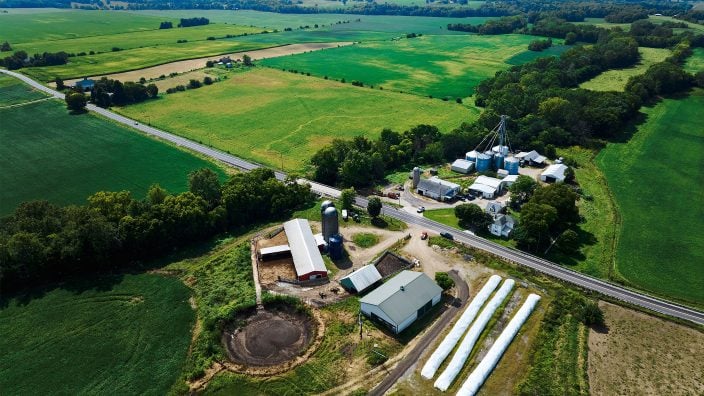
Ohio Farm Bureau Associate General Counsel Leah Curtis explains how the eminent domain process works in Ohio, what ‘quick take’ means and when it can be used.
Read More
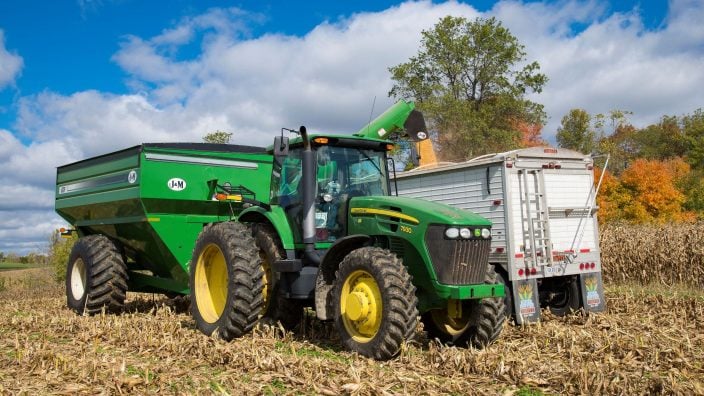
As fuel prices skyrocket across the state, lawmakers are preparing to return to the Statehouse to vote on the temporary suspension of Ohio’s gas tax.
Read More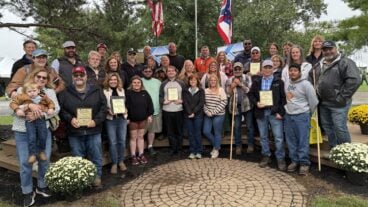
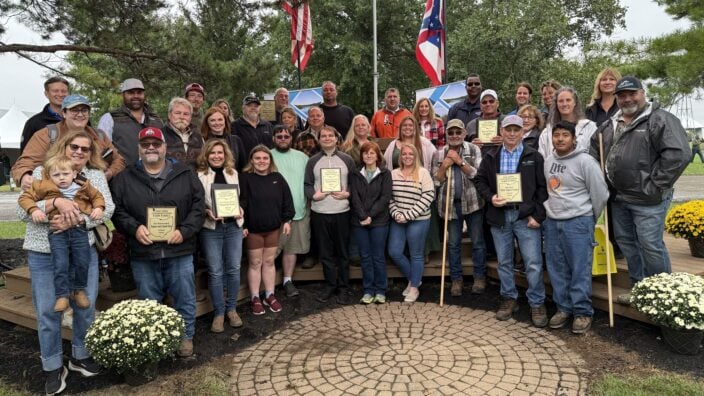
Since 1984, the Conservation Farm Family Awards program has recognized Ohio farm families for their exemplary efforts conserving soil, water, woodland, wildlife, and other natural resources.
Read More
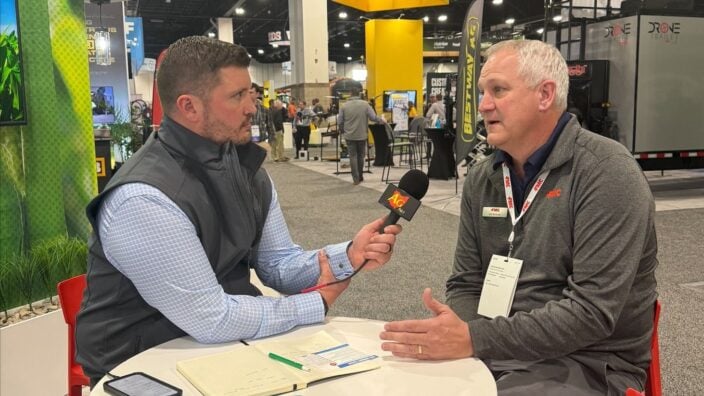
Meet Joe Everett, a Shelby County Farm Bureau Young Ag Professional who has dedicated his life to service, both in uniform and within his local community.
Read More
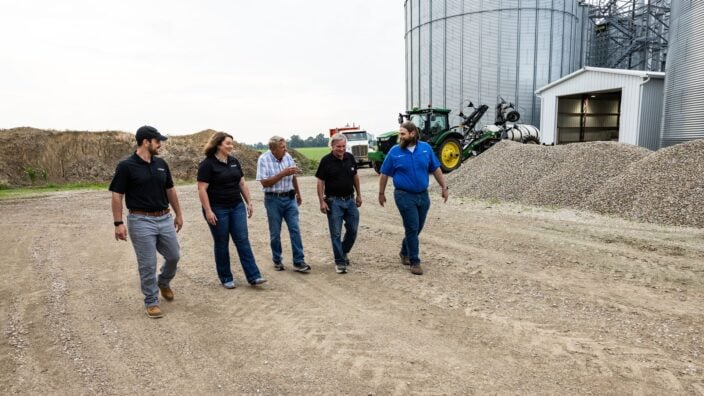
A year-end review provides an opportunity to evaluate your operation’s financial position, discuss future goals and develop strategies for the upcoming season.
Read More
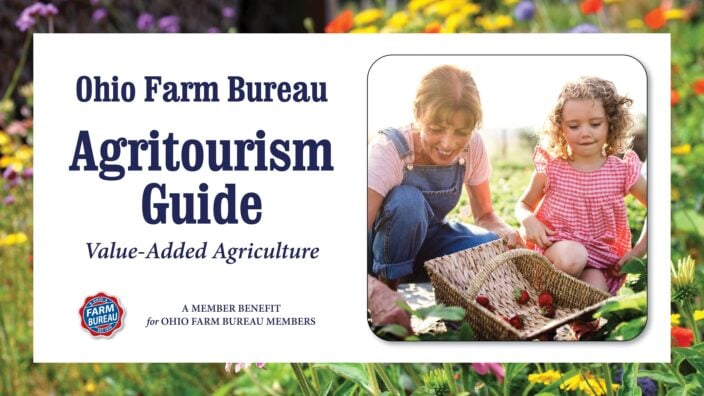
Ohio Farm Bureau has created a new guide to help members better understand the laws, regulations and risk considerations that come with opening their farms to the public.
Read More
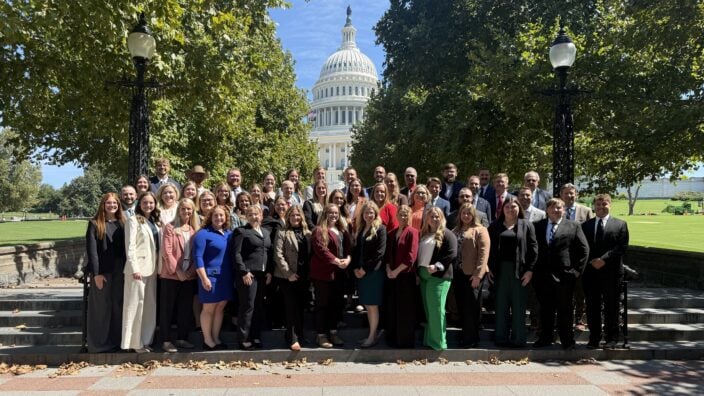
The groups received a firsthand look at agricultural policy, advocacy and leadership in the nation’s capital.
Read More