

Applications for Ohio Farm Bureau Health Plans now available
Members have three ways to apply: contacting a certified agent, calling 833-468-4280 or visiting ohiofarmbureauhealthplans.org.
Read MoreOsswald family example of broadband need for business, education
When snow forced the four Osswald children and their teacher mom to work remotely from home for a week in mid-February, it only took two days before they knew they were in trouble.

Their farm in Preble County has no access to broadband, so to get on the internet they rely on a cell-phone company hot spot that provides 50 gigabytes a month for $50. By the second day, as mom Bambi taught her ninth grade English students online, each child was in remote learning at National Trail Local Schools and father Lane was working on his taxes, their gigabytes ran out.
Luckily, they also had hot spots on their individual cell phones they could use to access their online classes for the most part. But for Bambi, teaching students through Google Meet on her phone was taxing.
“I couldn’t even see all of them,” said Bambi, a teacher in Huber Heights City Schools.
Still, the Osswalds know they are fortunate to have any reliable access to the internet in rural Ohio. They can pay monthly for a whole-house hot spot because they live close to a cell phone tower, an advantage most don’t have.
An Ohio State University study found that 1 million Ohioans – nearly 12% – can’t get high-speed internet or are underserved where they live. Most city dwellers have plentiful ways to buy internet services because broadband companies have provided the needed infrastructure; linking far-flung homes with the infrastructure has been seen as too expensive.
Jenna Reese, director of state policy for Ohio Farm Bureau, said the cost to connect all Ohioans who don’t have internet access is estimated at $2 billion, with most of that needed to link homes and businesses in Ohio’s Appalachia.
The yearlong pandemic, however, has starkly demonstrated the desperate need to expand rural access to broadband in Ohio, Reese said. Kids need it to access classes when schools can’t be in person, employees need it to work from home, farmers need it to manage their farms and everyone needs it to communicate and use telehealth.
“The pandemic has highlighted for the rest of the state what a big problem this is in rural America,” Reese said. “There’s been a major shift, and now elected officials get it.”
Legislation to provide funding for expanding broadband has been introduced for several years in the Ohio General Assembly and has gone nowhere – until now. Two similar bills, Senate Bill 8 and House Bill 2, each have been passed by their respective chambers.
Each would create a public grant program where companies could apply to extend broadband into unserved or underserved areas. The Senate bill would provide $20 million each fiscal year for the project, while the House bill would provide $210 million. Bill sponsors and others are trying to work out a compromise that could gain approval in both houses.
If a bill is approved and signed by Gov. Mike DeWine, rules for the program would have to be drafted and approved, and a state authority would have to be set up to run the program.
“It’s not an overnight thing,” Reese said. But she said momentum is strong.
Other efforts also are in play on the broadband front. The next two-year state budget contains $190 million for the initiative, dubbed the Ohio Residential Broadband Grant Program. The Federal Communications Commission also has pledged funding — $170 million over 10 years – to provide internet access to 191,000 Ohio homes and businesses.
The change can’t come soon enough for rural Ohioans like the Osswalds.
 “In the future we’re going to be more and more dependent on the internet,” said Lane, who also serves as an Ohio Farm Bureau state trustee and was recently elected treasurer. He’s online daily for research, grain marketing, recordkeeping, communication, banking and a variety of other reasons, including updating the computers on his farm equipment and accessing equipment maintenance manuals. And although his internet service is faster than some, he spends a lot of time waiting online to sign into websites or for pages to load.
“The other day we had to back up a cell phone and it took four hours,” he said. “We’re at a competitive disadvantage without high-speed internet. Time is everything in this business.”
UPDATE 4.28.21: The Ohio Senate passed House Bill 2 today and it now awaits Gov. DeWine’s signature. The bill allocates $20 million in FY 2021 for broadband and establishes the Ohio Broadband Expansion Program. Look for more in June’s Buckeye Farm News.
Featured image: Back to front: Claire, Natalie, Kacy, Ethan, Lane and Bambi Osswald
Photos by Dave Gore


Members have three ways to apply: contacting a certified agent, calling 833-468-4280 or visiting ohiofarmbureauhealthplans.org.
Read More
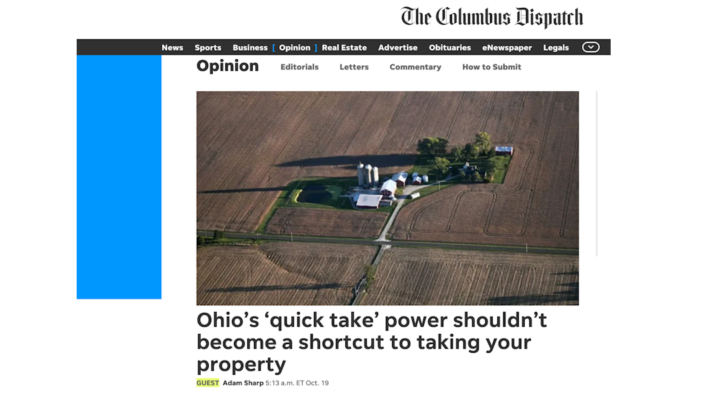
Ohio Farm Bureau recently published an op-ed in The Columbus Dispatch highlighting the importance of protecting private property rights as discussions continue around expanding eminent domain powers in Ohio.
Read More
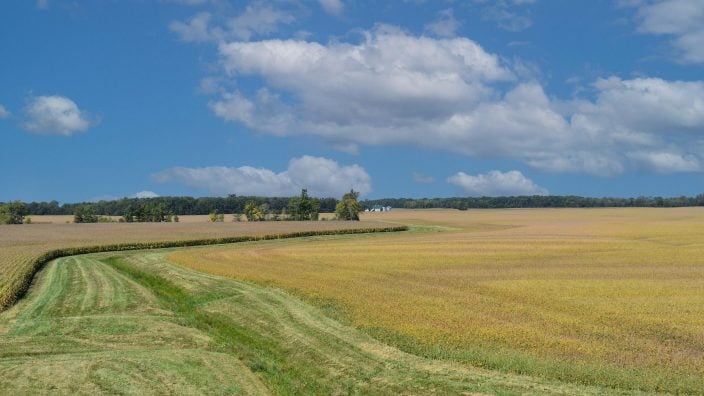
These discussions should not begin and end with a developer’s offer. Identifying family goals now gives the family something to plan around.
Read More

Ohio Farm Bureau joined leaders from across Ohio’s food and agriculture industry this week to pack 10,000 meals for central…
Read More
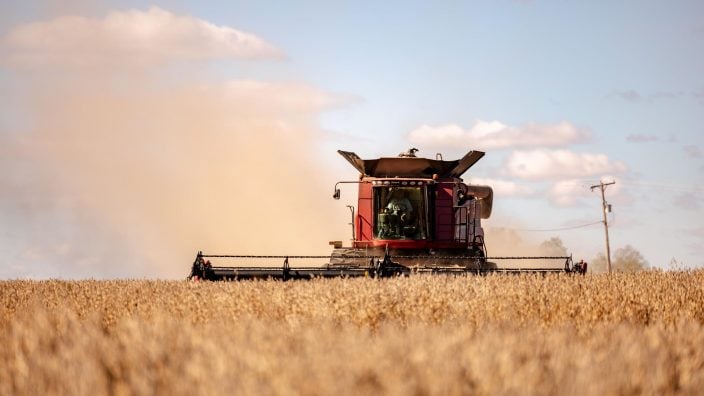
The administration recently issued an executive order easing restrictions on the use of tax-exempt dyed diesel fuel for on-road agricultural transportation.
Read More
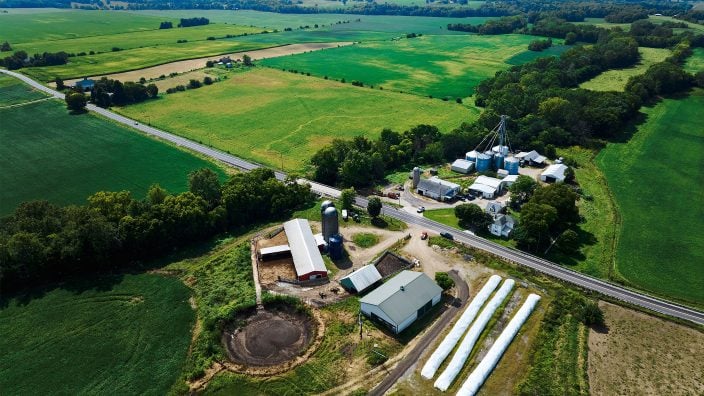
Ohio Farm Bureau Associate General Counsel Leah Curtis explains how the eminent domain process works in Ohio, what ‘quick take’ means and when it can be used.
Read More
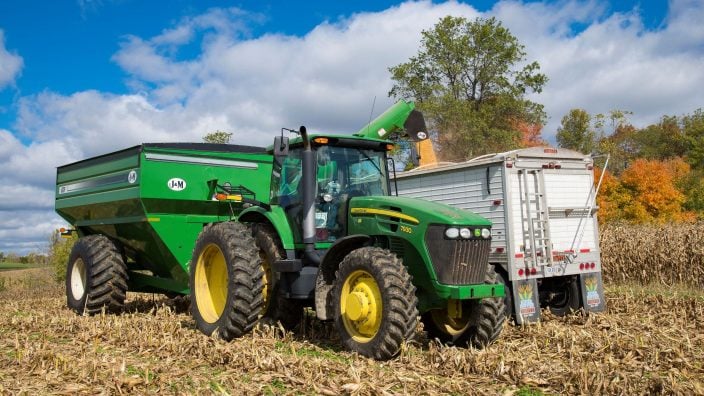
As fuel prices skyrocket across the state, lawmakers are preparing to return to the Statehouse to vote on the temporary suspension of Ohio’s gas tax.
Read More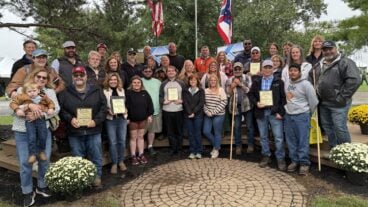
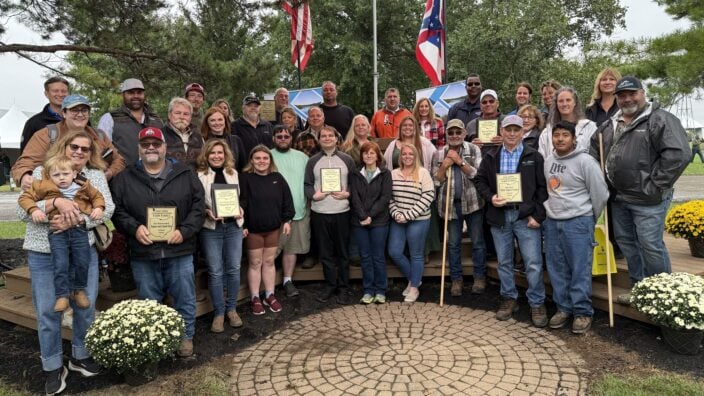
Since 1984, the Conservation Farm Family Awards program has recognized Ohio farm families for their exemplary efforts conserving soil, water, woodland, wildlife, and other natural resources.
Read More
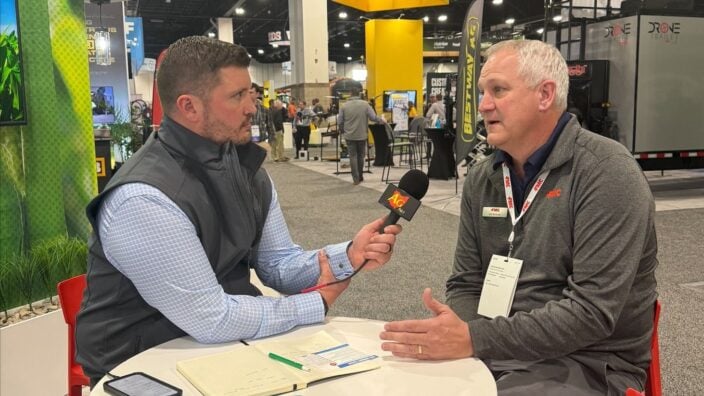
Meet Joe Everett, a Shelby County Farm Bureau Young Ag Professional who has dedicated his life to service, both in uniform and within his local community.
Read More
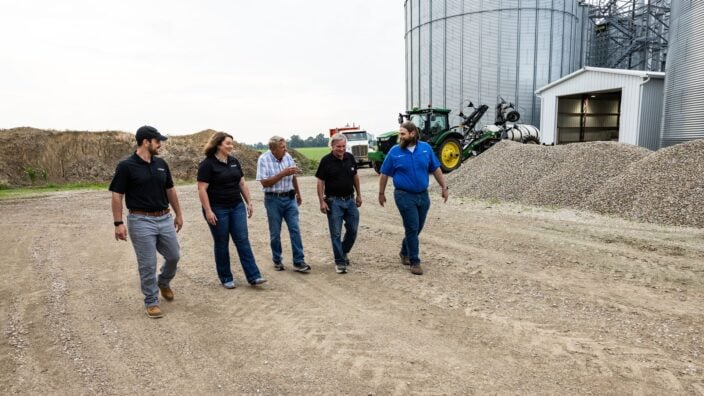
A year-end review provides an opportunity to evaluate your operation’s financial position, discuss future goals and develop strategies for the upcoming season.
Read More