

Preparing for emergencies saves time, money
Preparation may not be as exciting as purchasing new equipment, but when an emergency occurs, it can be one of the best investments you ever make.
Read MoreThe best approach to limit disease is to prevent it from occurring in the first place.
Hello Everyone, and welcome to summer!
Dry weather last month made planting a garden or crops relatively easy without the need to plan around rain. As I mentioned last month, the lack of rain caused issues with seed germination and non-uniform crop stands, but the crops did come up with the help of rain last week. At our place in Champion, we received about 1.5 inches of rain, but I’ve heard reports of higher amounts throughout the county.
As we enter summer, we need to shift our focus from getting seeds planted and germinated, to protecting the crops from disease and insects. Many of the common fungal diseases like powdery mildew, downy mildew, early blight and white mold thrive in the humid summer nights that are common in our area.
Fungal diseases are usually spread on the wind and infection occurs when a spore lands on a susceptible plant and enters the plant cells. Once this happens there is no “curing” the plant from the fungal disease. The only option at this point is to minimize the spread to other plants.
Removing infected leaves or fruit and placing them in the garbage will reduce the number of spores available in the environment. Do not put these infected items in your compost pile as they may still release spores, even if your compost pile is some distance from your garden.
Fungicide options are available for most vegetables and crops, but they need to be applied before the infection period begins. Fungicides work by thinly coating the plant to prevent fungal spore germination. Applying fungicides after infection will not prevent disease from occurring, but it will protect any tissue that is not yet infected.
If you choose to use a fungicide, please read the label to make sure the crop(s) or plant(s) you’re trying to protect are listed. Not all products work on all types of plants. The label will tell you everything you need to know about how much to use, how often to apply, and something called the preharvest interval (PHI). The PHI is the minimum amount of time you need to wait between applying the fungicide and when you can safely harvest and consume or use the plant. PHIs can be several days to weeks, so it is very important to read the label.
This same advice applies to insecticides. Not all insecticides are labeled for use in vegetable crops, and some PHIs will limit a timely harvest. For example, the common insecticide Sevin can have a PHI of as little as a single day to 30 days depending on the crop being treated. You will not want to treat an infestation of aphids today if you plan to harvest the crop tomorrow. When it comes to insects, sometimes the best treatment is to do nothing. Most gardeners can’t stand the thought of a hornworm on a tomato plant, but choosing an insecticide should be the last option. Sometimes it’s easier to hand pick these larger pests (or pay a neighborhood kid to do it) than applying chemicals.
The use of pesticides, which includes herbicides, fungicides, insecticides, and more, comes with an inherent risk. It is important to understand how to use them properly, but more important than that is knowing when to use them and how you can plan to limit their use for emergency situations only. The practice of integrated pest management (IPM) is a way to incorporate mechanical, biological, cultural and chemical features to have a safe and productive garden by breaking the disease triangle, which is described by pathogen + environment + host = disease.
IPM starts with the fundamentals of garden design and layout. Providing adequate spacing between plants, choosing resistant varieties, encouraging water drainage, proper sanitation and timely harvest can promote an environment that is not conducive for infection or removes the host. If you remove one component of the triangle, disease does not occur. The best approach to limit disease is to prevent it from occurring in the first place. If you have questions about pesticide use or improving IPM on your farm or in your garden give OSU Extension Trumbull County a call at 330-638-6783.
Stay safe and have a productive growing season!
Submitted by Lee Beers, an Agriculture and Natural Resources Educator for OSU Extension-Trumbull County. He can be reached by email.
OFBF Mission: Working together for Ohio farmers to advance agriculture and strengthen our communities.




Preparation may not be as exciting as purchasing new equipment, but when an emergency occurs, it can be one of the best investments you ever make.
Read More

The Grange was a place to meet with and get to know your neighbors in a safe, family-friendly atmosphere.
Read More

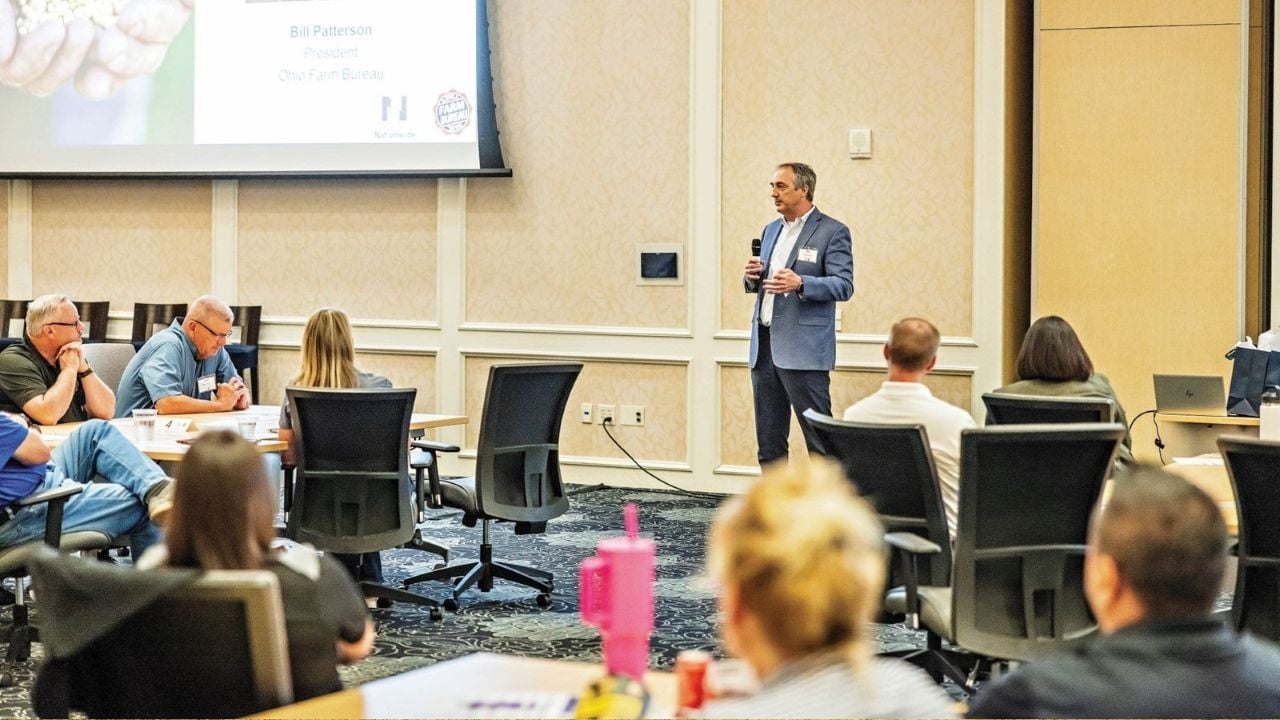
Bill Patterson of Chesterland is serving on the 2026 Ohio Farm Bureau Federation Policy Development Committee.
Read More
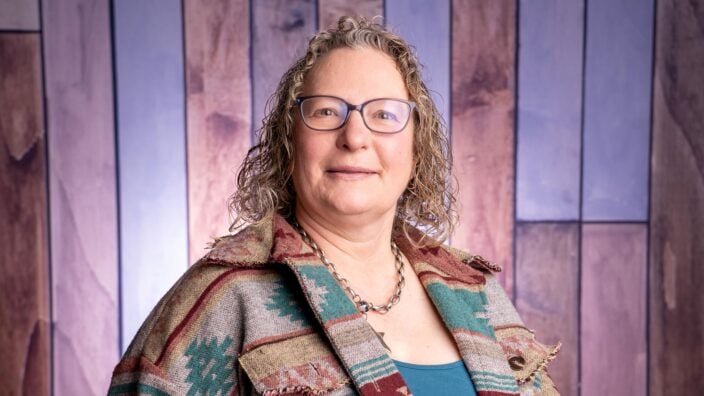
Marsha Stanhope of Kinsman is serving on the 2026 Ohio Farm Bureau Federation Policy Development Committee.
Read More
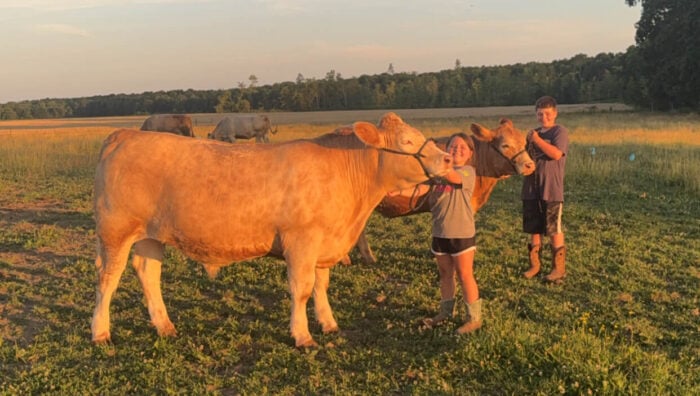
While we may walk into those barns thinking we’re raising livestock for the county fair, somewhere along the way we’re raising kids, too.
Read More

Who knew that what started as having to come up with a prefix for my first homebred Jersey would grow into such a brand and new business ventures for me.
Read More
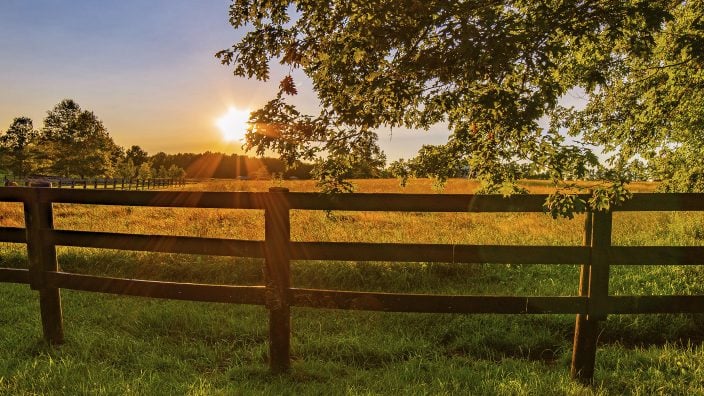
Not every child will grow up on a farm, but every child deserves some version of the freedom my grandparents’ farm gave me — the freedom to be curious, learn by doing and grow at their own pace.
Read More
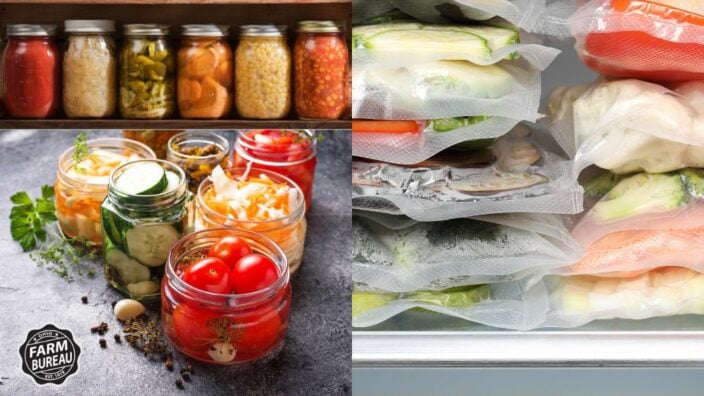
Canning and freezing are the most common ways to preserve garden vegetables, but it’s important to follow the correct steps to preserve quality and taste, and to promote food safety.
Read More
This past month has been filled with so many wonderful opportunities to share our love and passion for farming, and to give consumers a small glimpse into what it takes to raise and care for crops and animals.
Read More
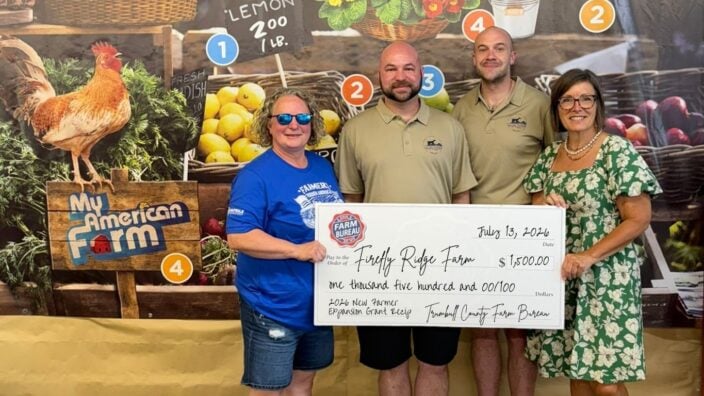
The $1,500 grant is awarded annually to support the growth and development of beginning farmers who are committed to advancing Ohio agriculture.
Read More