








Fun facts about dairy cows
The dairy farmers across America send many thanks to consumers for buying milk, cheese and other dairy products!
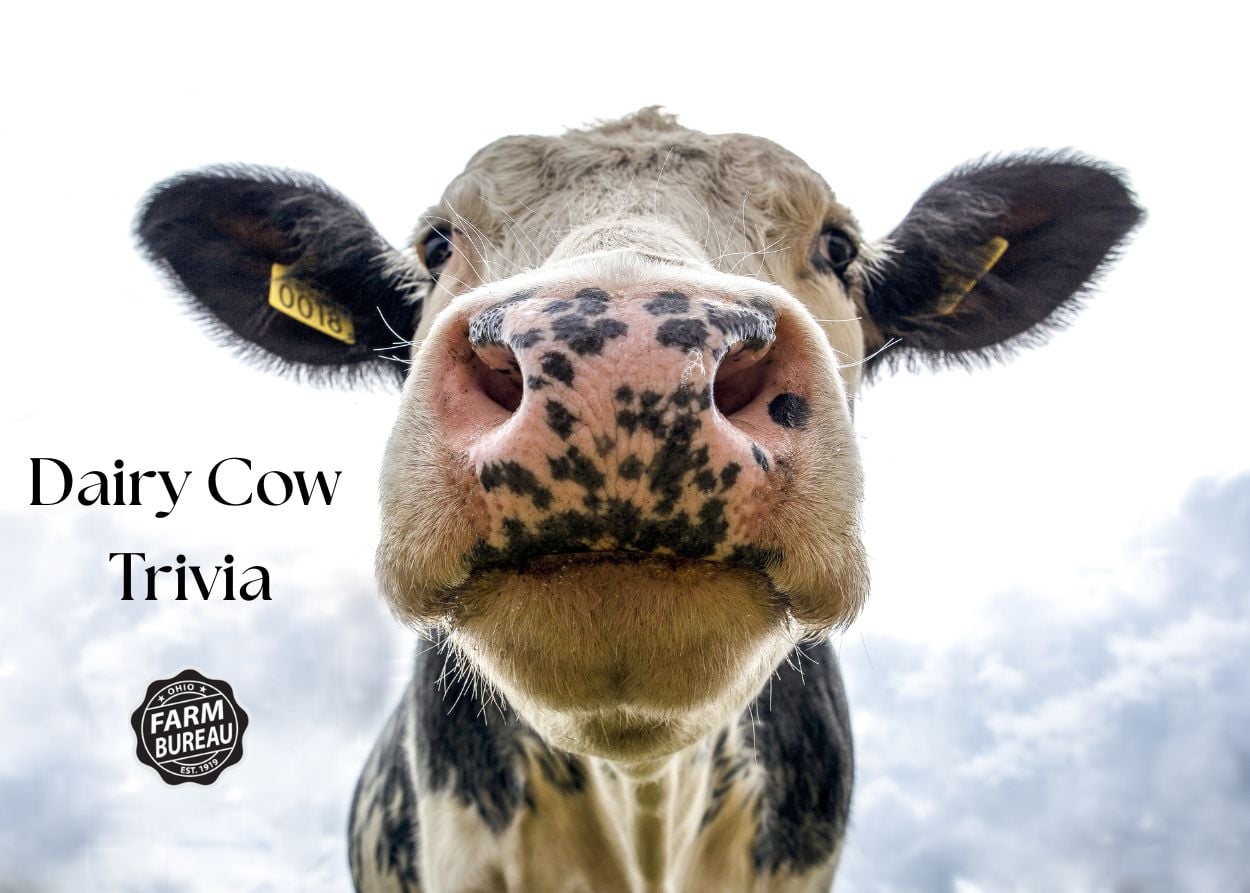
Read MoreI love dairy cows. Most readers of this column know this. I think I have probably conveyed the fact that dairy cows are as complex as the dairy industry itself. Today, I would like to share with you some interesting dairy trivia.
* Dairy cows first arrived in America with the Jamestown settlers in 1611. The most common breed of dairy cow in the United States is the Holstein, but Jersey cows produce milk with the highest butterfat content. The average cow produces about 350,000 glasses of milk in her lifetime.
* Tank trucks for transporting fluid milk were first introduced in 1914.
* A cow has one stomach, but it has four distinct compartments. The average dairy cow weighs 1,400 pounds and consumes about 50 pounds of dry matter (e.g. hay, grass, silage, grain) each day. She also drinks between 30 to 50 gallons of water each day –about a bathtub’s worth.
* Cows have 24 teeth and chew at least 50 times per minute. They spend 10 hours a day chewing their cud in order to aid in digestion.
* Cows have an acute sense of smell and can smell something up to six miles away.
* Cheese, please! Americans eat, on average, 39.9 pounds of cheese per year (2024 stats). This is about 10 pounds higher than it was in 2000. The most common cheeses are mozzarella and cheddar. Seems like a lot of cheese, but the United States doesn’t even make the top 15 cheese consuming countries. European countries lead the way. Greece is the leader with 68 pounds. France consumes 53 pounds per capita, followed by Malta with 48 pounds of cheese per capita.
* The tradition of making Swiss cheese in 200-pound wheels began in the Middle Ages when the Swiss government taxed cheesemakers on the number of pieces they produced rather than according to the total weight of the cheese they made.
* Cheddar cheese was first developed in the town of Cheddar Gorge, England, more than 400 years ago.
* Plastic milk bottles were first introduced in the U.S. in 1967. (A very good year, by the way)
* To get the same amount of calcium provided by an 8-ounce glass of milk, you would have to eat 2 ¼ cups of broccoli, 6 ¾ oranges or six slices of wheat bread.
* Why does milk work better than water cooling your mouth after eating something spicy? The protein in milk called casein cleanses the taste buds.
* A rather sad fact to share is that fluid milk consumption in the U.S. has dropped about 48% since 1975.
The dairy farmers across America send many thanks to consumers for buying milk, cheese and other dairy products!
Submitted by Mary Smallsreed, a member of the Trumbull County Farm Bureau and grew up on a family dairy farm in northeast Ohio.
OFBF Mission: Working together for Ohio farmers to advance agriculture and strengthen our communities.


The dairy farmers across America send many thanks to consumers for buying milk, cheese and other dairy products!
Read More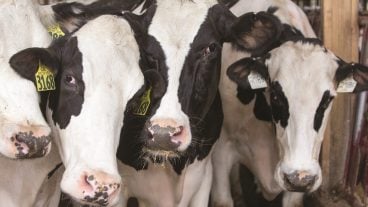

Knowing how a certain cow acts or responds can often indicate something about her health and well-being as well.
Read More
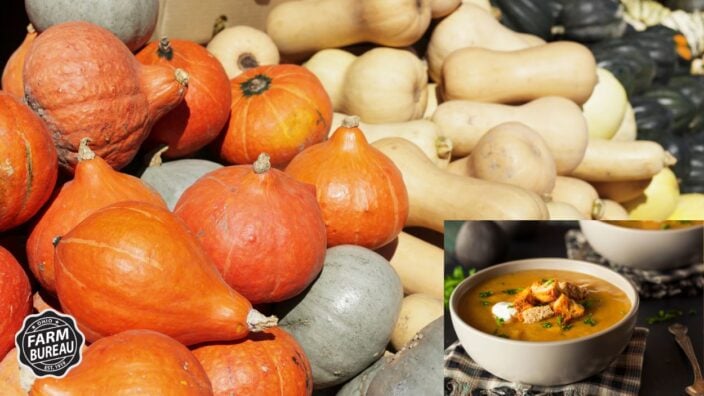
This fall, as you’re picking up a pumpkin spice latte or an apple cider doughnut, don’t forget to bring home a squash.
Read More

Preparation may not be as exciting as purchasing new equipment, but when an emergency occurs, it can be one of the best investments you ever make.
Read More

The Grange was a place to meet with and get to know your neighbors in a safe, family-friendly atmosphere.
Read More

Bill Patterson of Chesterland is serving on the 2026 Ohio Farm Bureau Federation Policy Development Committee.
Read More

Marsha Stanhope of Kinsman is serving on the 2026 Ohio Farm Bureau Federation Policy Development Committee.
Read More
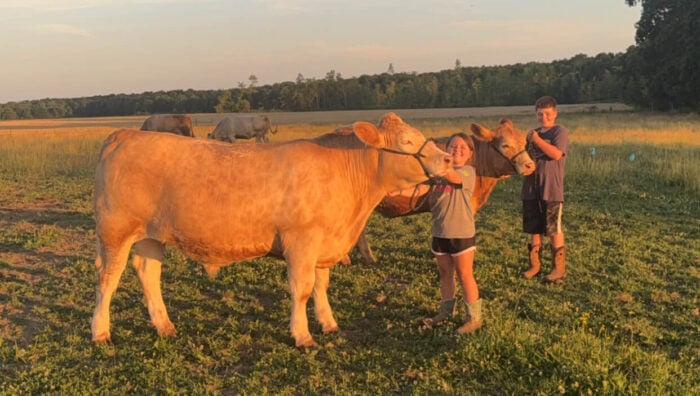
While we may walk into those barns thinking we’re raising livestock for the county fair, somewhere along the way we’re raising kids, too.
Read More
Who knew that what started as having to come up with a prefix for my first homebred Jersey would grow into such a brand and new business ventures for me.
Read More
Not every child will grow up on a farm, but every child deserves some version of the freedom my grandparents’ farm gave me — the freedom to be curious, learn by doing and grow at their own pace.
Read More