



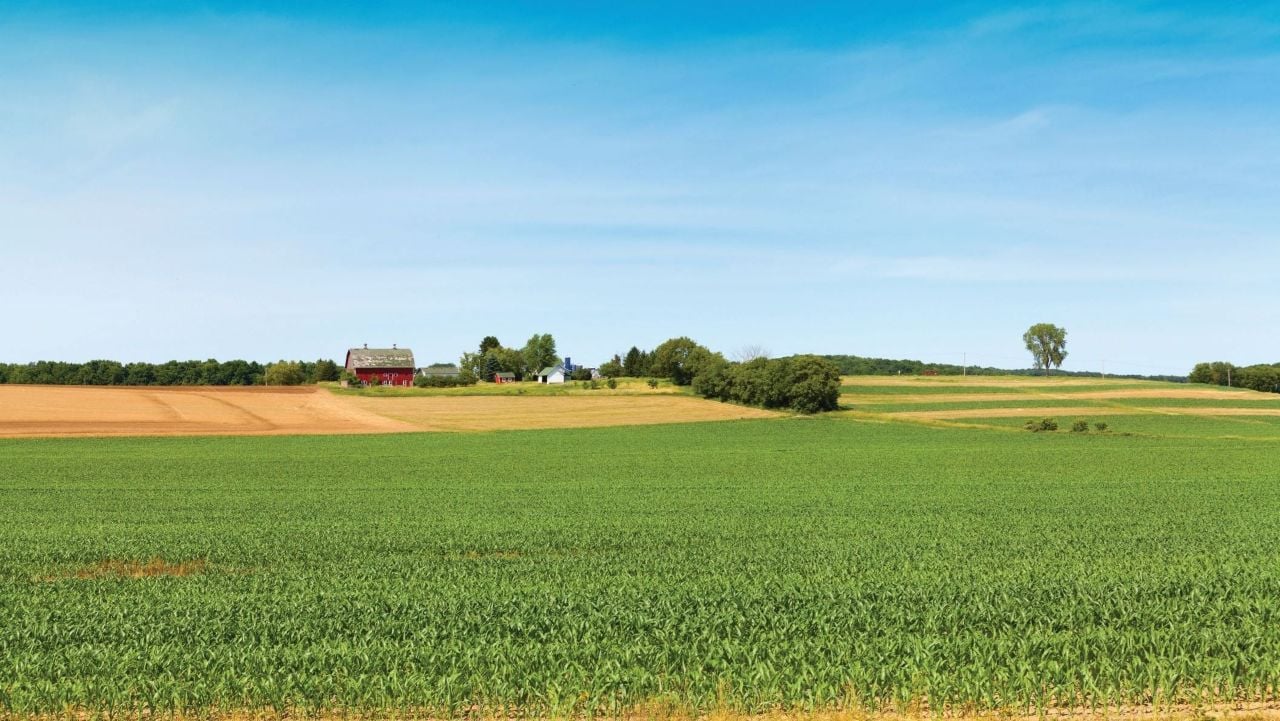


A lifetime of things, a legacy of love
I hope my grandparents would be proud of the person I’ve become, because I couldn’t be more grateful for the people from which I came.
Read MoreHello, everyone.
I hope you’ve been able to find time to enjoy the beautiful fall weather over the past few weeks. Chores always seem to pile up this time of year as we prepare for the long, dark, cold days of winter. Cleaning gutters, raking leaves, hauling manure, harvesting crops and countless other projects all compete for our attention as daylight hours continue to shrink.
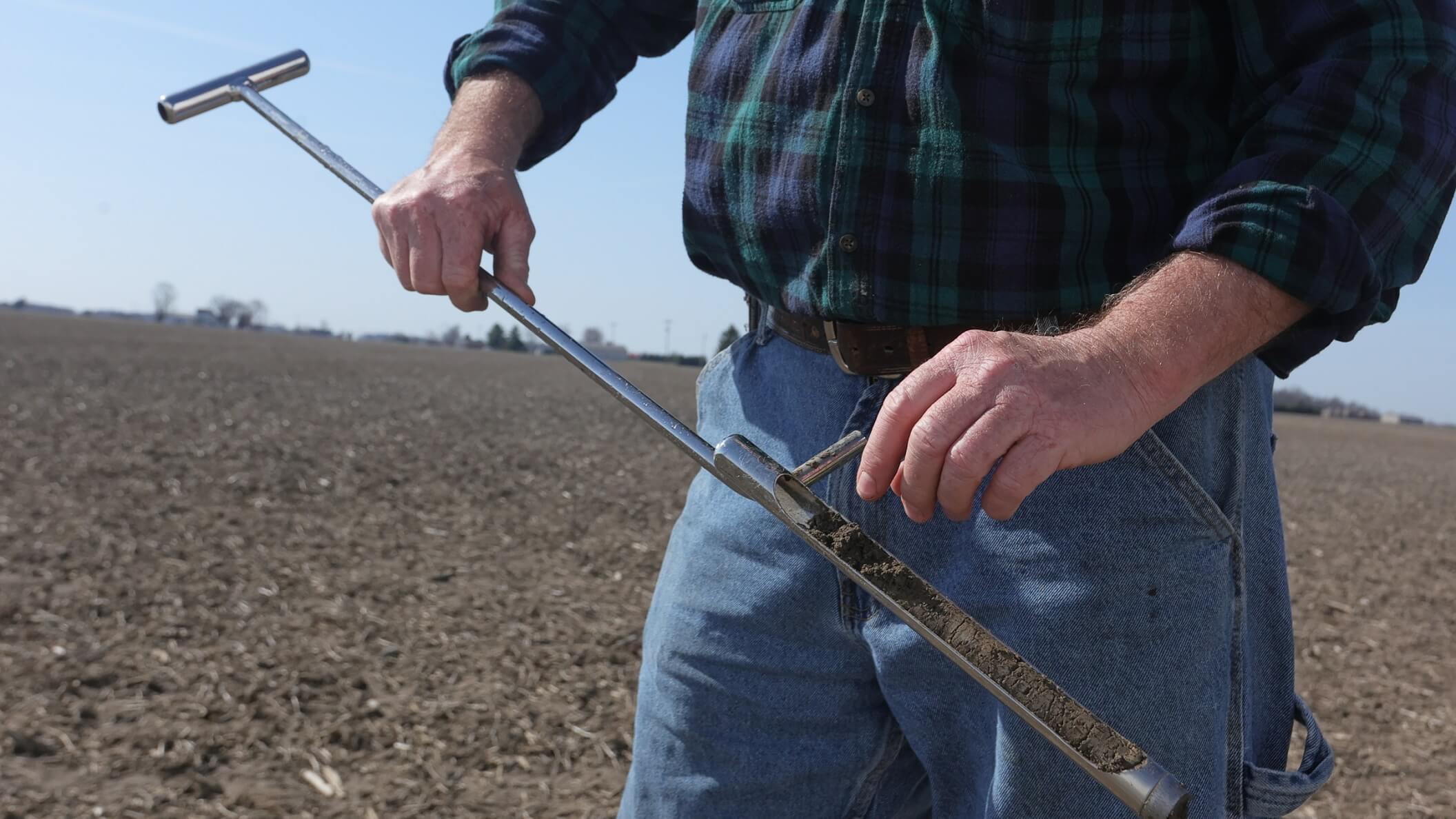
One task that should be on every gardener’s and farmer’s fall to-do list is soil testing. Taking the time to analyze your soil’s pH and fertility levels now can save both time and money during the next growing season. For those hauling manure, soil testing can also help identify where you can make the best use of those “free” nutrients.
Fall is an ideal time to test soil because most crops have already removed nutrients from the ground, while crop residue has not yet fully broken down. This provides a more accurate picture of overall soil fertility.
Soil testing can be as detailed as you choose to make it, but at a minimum, one sample can represent up to 10 acres. Some recommendations suggest as many as 20 acres per sample, but I believe that is too large an area to produce consistently accurate results. If you have variable-rate technology or the ability to adjust fertilizer rates during application, grid sampling may provide additional value. However, if you do not plan to use that information to make site-specific management decisions, the added expense of intensive grid sampling is often not justified.
Sampling manure is also a good practice. Testing allows you to determine the exact concentrations of nitrogen, phosphorus, and potassium being applied to your fields. With those numbers in hand, you can adjust application rates and determine whether supplemental fertilizer is needed.
After collecting soil or manure samples and sending them to a laboratory, results are typically available within seven to 10 days by mail or email. Many reputable labs throughout Ohio and neighboring states offer these services. Soil testing generally costs less than $20 per sample, while manure analysis averages around $30 per sample.
OSU Extension Trumbull County offers both services. Soil test kits are available for $15 each, or $12 each when purchasing three or more kits. For more information, give our office a call at 330-638-6783.
One final word about manure: not all manures are created equal. Poultry manure typically contains the highest nutrient concentrations, followed by swine, cattle and horse manure. I generally do not recommend using horse manure unless it has been properly composted for several years.
Proper composting requires regular temperature monitoring and turning the pile after approximately one week of internal temperatures reaching 130°F. This process is repeated several times until the pile no longer heats up. Adequate composting is necessary to destroy weed seeds, but many manure piles never reach that level of management.
Additionally, horse bedding often contains wood shavings or sawdust, which can slow decomposition unless additional nitrogen is added. As I often say, manure is complicated as… well, I’ll let you fill in the blank.
Stay safe!
Submitted by Lee Beers, an extension educator, agriculture and natural resources at the Ohio State University Extension. You can reach him by email or by calling 330-638-6783.
OFBF Mission: Working together for Ohio farmers to advance agriculture and strengthen our communities.




I hope my grandparents would be proud of the person I’ve become, because I couldn’t be more grateful for the people from which I came.
Read More
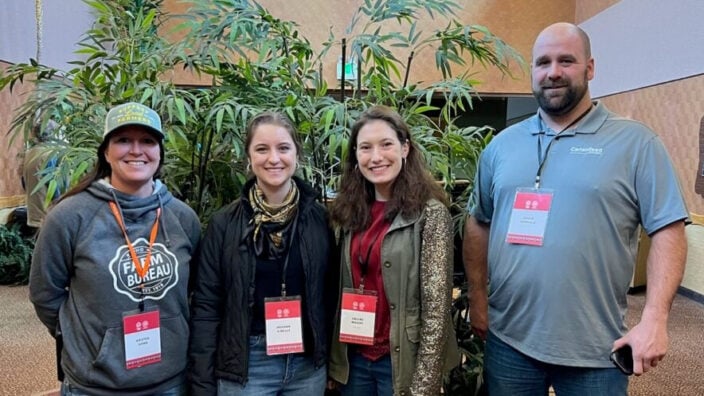
Trumbull County Farm Bureau has $300 to split evenly among Trumbull County Farm Bureau members who contact the county office before the event.
Read More

Trumbull County Farm Bureau held its 2026 Annual Meeting on Thursday, Sept. 24, 2026, at DiLucia’s Banquet Hall in Warren.
Read More
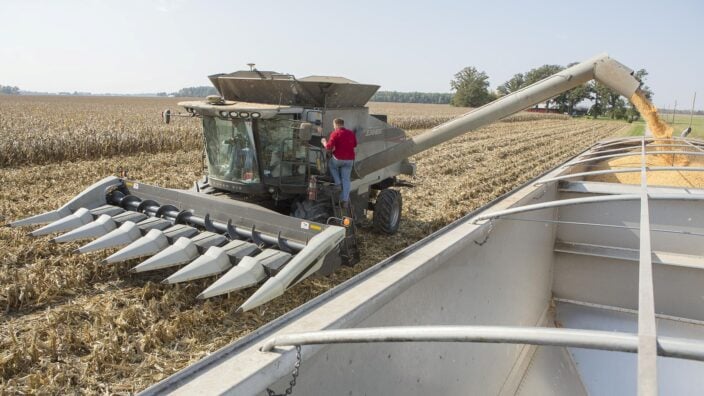
Tuesday night I watched three combines harvest the soybeans from our fields, and it made me feel like a little kid in a candy shop.
Read More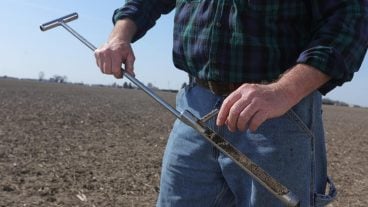
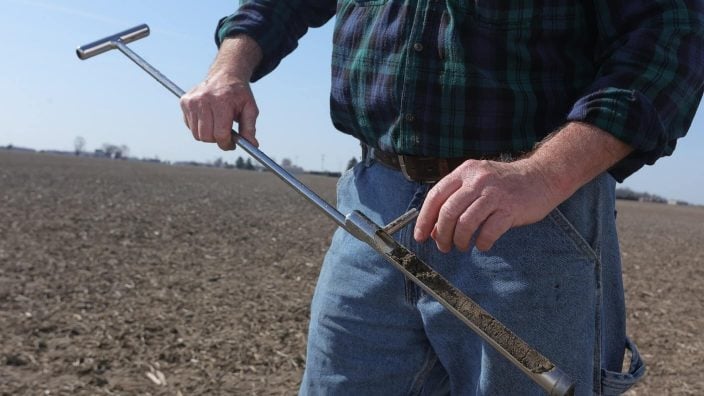
Taking the time to analyze your soil’s pH and fertility levels now can save both time and money during the next growing season.
Read More

The dairy farmers across America send many thanks to consumers for buying milk, cheese and other dairy products!
Read More