



ExploreAg opens pathways, offers clarity
ExploreAg exposes Ohio high school students to a wide range of careers in agriculture and helps them see where they might fit.
Read MoreUnderstanding LNDs can help you maximize the value of your land by accounting for nutrients like nitrogen, phosphorus and potassium in the soil that contribute to its value for buyers, sellers and those inheriting farmland.
The following information is provided by Nationwide, your approved insurance and financial services company.
When you buy farmland, you can claim depreciation on its physical assets like fencing, farm buildings or irrigation equipment.
But those physical assets continue even as you go below the soil’s surface.
Legacy nutrient deductions enable new farmland owners to also claim deductions on the nutrients within the soil on which healthy crops depend. These deductions help paint an accurate picture of farmland’s crop productivity by essentially providing a value for soil nutrients. Understanding LNDs can help you maximize the value of your land by accounting for nutrients like nitrogen, phosphorus and potassium in the soil that contribute to its value for buyers, sellers and those inheriting farmland.
Legacy nutrient deductions allow landowners to claim the value of the residual soil nutrients present when they acquire a property. They essentially treat nitrogen, phosphorus and potassium not just as only key crop inputs but also depreciable assets. Much like a tractor or piece of tillage equipment, the value of these nutrients can be deducted from taxable income over time.
This tax benefit applies to both active farmers and landowners. The key is that the nutrients were in the soil at the time of purchase or inheritance.
“If you own viable agricultural property such as row crop fields, pasture, grazing lands, grassland or production timber, legacy nutrient deductions can provide substantial financial benefits,” said Nicolas Post, manager of sales/education and customer service for Boa Safra Ag, LLC, a company that provides advanced tax services and scientific reporting to agricultural landowners to help them realize significant income tax deductions. “On average, LNDs offer around $1,700 per acre in tax deductions, allowing landowners to realize immediate value from their investment and ease the transition of ownership or inheritance.”
The process starts with a professional soil analysis to determine the quantity and value of the residual nutrients. This establishes a baseline for your deduction. An agronomist or a qualified soil scientist typically conducts this assessment.
“Ensuring that the methods and processes used to collect legacy nutrient deductions are executed correctly is of the utmost importance to clients seeking to maximize their financial benefits,” Post said. “The right expertise and experience helps provide clients with confidence that each deduction is properly substantiated and compliant with all regulatory requirements.”
Once you have this valuation, you can claim the deduction. Depending on your specific tax situation and the relevant IRS codes, landowners may be able to deduct the full amount in one year or spread it out over several years. This flexibility allows to align the deduction with landowners’ financial strategies. It makes the LNDs valuable tools for managing tax liability.
For land buyers, an LND can significantly reduce the effective purchase price of a property by lowering their tax burden in the years following the acquisition. This can free up capital for other investments on the farm.
“Becoming cash-positive is a top priority for agricultural landowners, and leveraging the financial advantages of LNDs can be a key strategy to achieve this goal. By unlocking immediate tax savings, landowners free up capital that can be used to invest in necessary equipment, expand their tillable acreage, or simply enjoy the peace of mind that comes from minimizing unnecessary tax payments,” Post said. “This cash flow supports operational growth and long-term financial stability, making the most of your land’s potential while securing your agricultural legacy.”
For sellers, highlighting the potential for an LND can make a property more attractive to potential buyers. It demonstrates value beyond the acreage itself, potentially leading to a quicker sale or a stronger offer. For those who have inherited land, an LND provides a way to offset income generated from the property, such as cash rent.
 Legacy nutrient deductions are a smart way to get the most out of your land investment. It’s a strategy that rewards careful stewardship and financial planning. Just as you plan for your financial future, it’s crucial to protect the physical assets that make your operation possible.
Your farm is more than just land; it’s your livelihood and your legacy. Nationwide’s Land
As Your Legacy helps farmers, landowners and others explore resources that help ensure farmland stays productive and sustainable for generations to come.
Talk to your tax advisor or agribusiness consultant to see if LNDs could benefit your operation.
Visit AgInsightCenter.com for more resources and expert tips to help you run a successful business and maintain the safety of your operation.
Nationwide, the Nationwide N and Eagle, and Nationwide is on your side are service marks of Nationwide Mutual Insurance Company. © 2025 Nationwide.


ExploreAg exposes Ohio high school students to a wide range of careers in agriculture and helps them see where they might fit.
Read More

How did Ohio Farm Bureau help launch your ag career? That is the central question in the March/April issue of Our Ohio magazine.
Read More
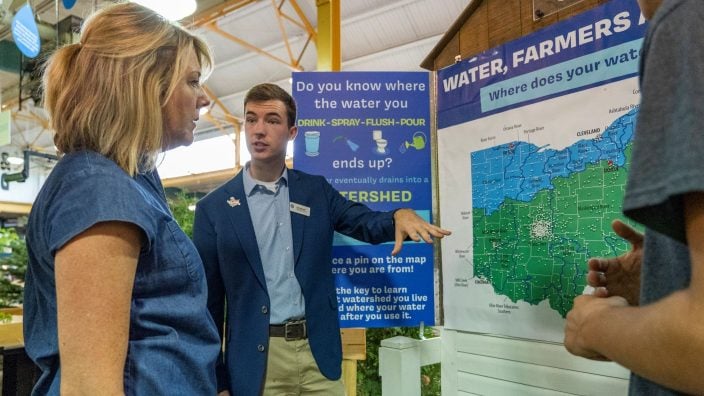
The opportunity to pay it forward is in front of all of us. Whether through giving, mentoring or staying involved, each of us has a role to play.
Read More
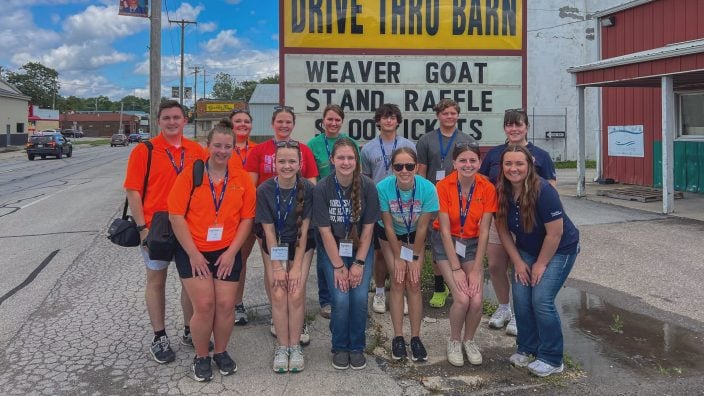
I am thankful to everyone in Ohio Farm Bureau who has supported me, guided me and helped me turn my passion into purpose.
Read More

I left Ohio in 2022, but there is one reason I continue to come back—a constant pulling factor: my Ohio agriculture community.
Read More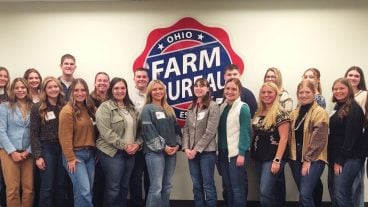
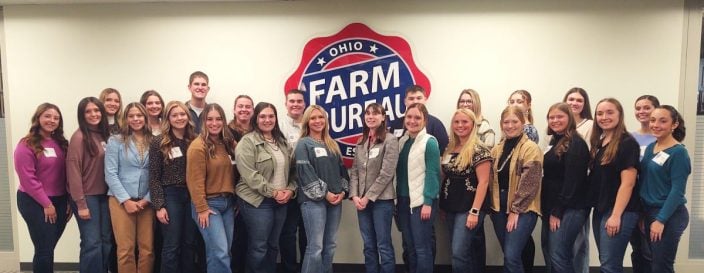
We asked each of the chapter presidents what makes their Collegiate Farm Bureau essential and unique.
Read More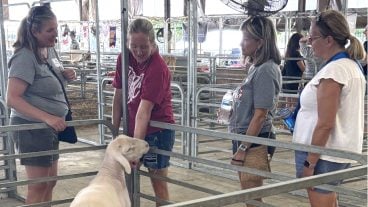
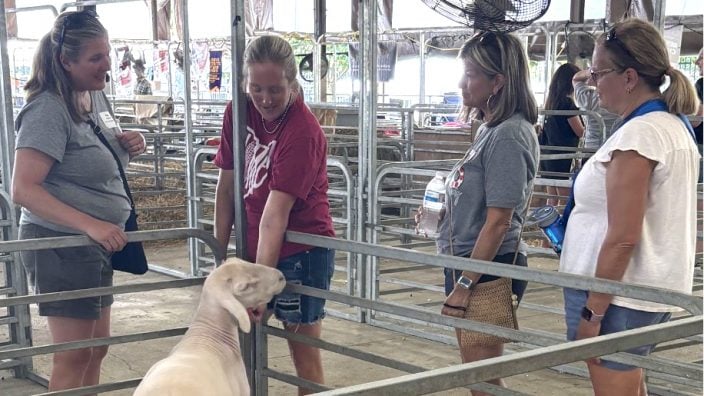
Teaching agriculture in an elementary classroom is a great opportunity to spark a love of the industry in our youngest learners and have them share that with those at home.
Read More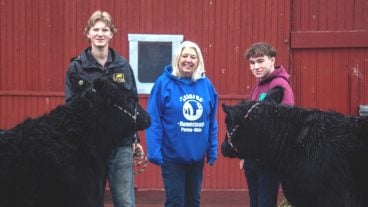
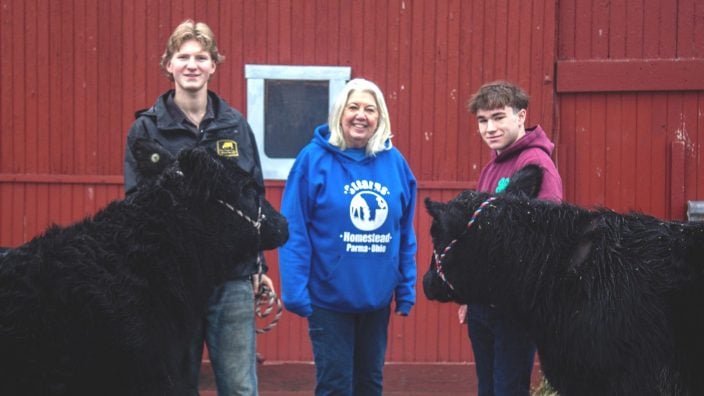
Stearns Homestead is home to one of the largest 4-H clubs in Cuyahoga County and has hosted 15,000 students for tours, becoming a learning center for youth to get up close and personal with farm animals.
Read More
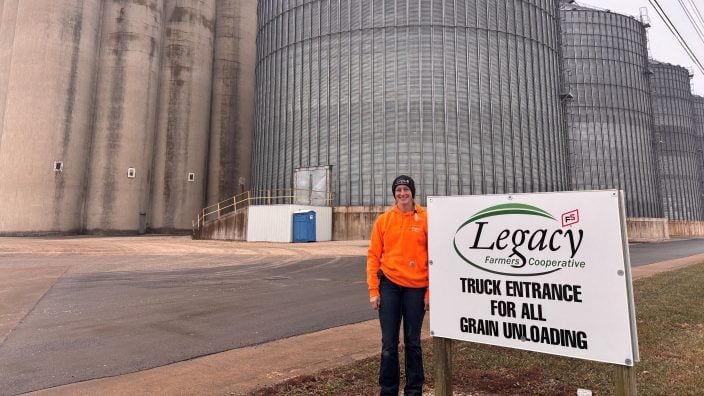
Starting with little ag industry knowledge, Cristen Cramer has embraced career growth through adaptability and learning.
Read More

The ways in which Ohio Farm Bureau has played a role in helping members launch ag careers are as varied as they are rooted in the industry.
Read More