

Agricultural drones: Rewarding and risky business
Three Young Agricultural Professional members discuss the benefits and challenges of owning and operating a drone business for agricultural use.
Read More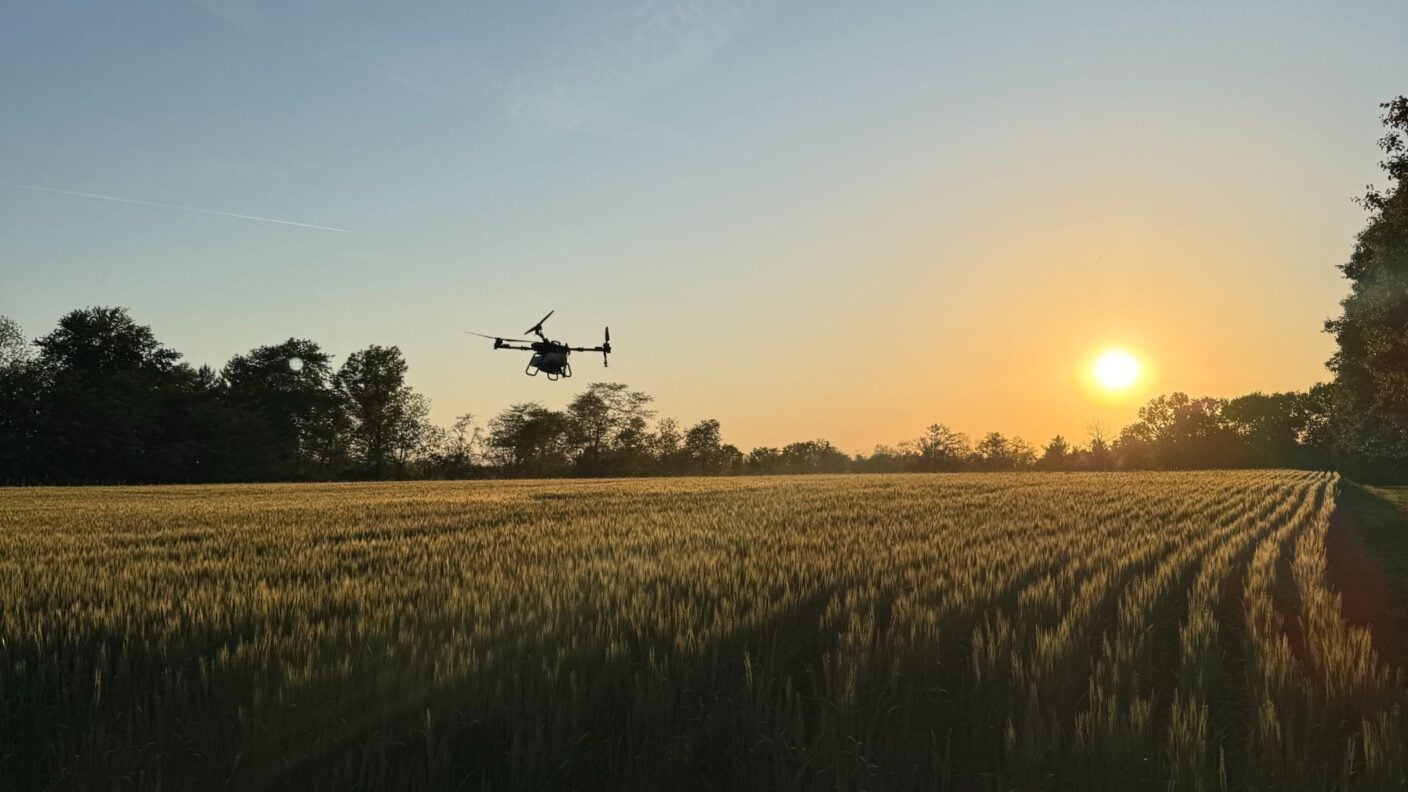
Growing our Generation enewsletter features insights and ideas directly from Ohio’s young farmers and food and agricultural professionals. Sign up to get this e-letter sent directly to your inbox once a month.
Drones have transformed agricultural management, giving farmers a real-time eye in the sky. But while they offer immense value, they also carry risks. When operated without proper compliance or care, drones can quickly turn from a valuable asset into a liability, risking regulatory fines, operational disruptions, or unnecessary distress to livestock.
While Ohio Farm Bureau does not have a policy on drones because the Federal Aviation Administration is the primary regulator of drones, American Farm Bureau has a policy that states if a drone is going beyond the visual line of sight they must be controlled by “sense and avoid technology” that automatically detects obstacles, terrain, or other aircraft that will change the drones flight path to prevent collision, in order to protect the operation and livestock.
Hear from three Young Agricultural Professional members on the benefits and challenges of owning and operating a drone business for agricultural use.
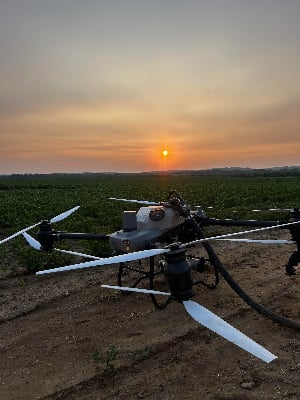 I have owned and operated Buckeye Aerial Application the last three years. I saw the need for it in our operation but also for other farmers in the community and thought it would be fun to learn a new and growing technology. Currently the industry is suffering from an increase in cost of production. Tariffs and a push for American-made drones have made it more difficult to acquire reliable drones/parts. As most people in agriculture know, fuel costs have gone up as well. Drones also suffer heavily from depreciation due to technology constantly changing. I always tell people drones depreciate like smart phones. Drones are another tool for farmers to use throughout the season helping farmers prevent diseases, pests and weeds.
They also can be used for granular applications such as some fertilizers and cover crops when conditions are wet. Planes and helicopters do a great job but the reality is there isn’t enough of them to help give farmers a timely application. Drones have allowed farmers to have timely and more effective applications, especially in southern Ohio where fields are not easily accessible.
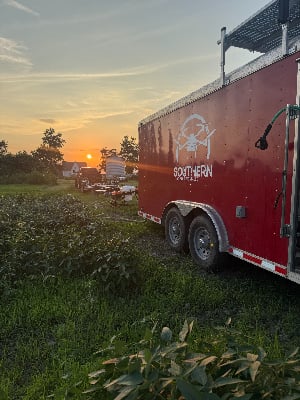 Ever since working an internship with Winfield United in 2020 where we experimented with ag spray drones and scouting drones, it became a dream of mine to start my own business doing aerial application with drones. And after dealing with the costly delays of traditional aerial application methods, my brother and I decided to do something about it and founded Southern Ag Solutions LLC in 2025. The biggest challenges other than weather and timing are the rules and regulations; not only do you have to be compliant with the state laws and regulations but also the Federal Aviation Administration regulations which are always evolving and changing. For new operators it can be very daunting with the paperwork and legal steps to get everything in line to be legal to start flying and applying. Drones can maximize the effectiveness of fungicides and insecticides as they provide good canopy penetration with the solution as well as they do not leave tracks through the fields which has been proven to influence yield as well.
In certain crops like corn and orchards, they can also provide more flexibility for late season fungicide programs for farmers who don’t have the budget or access to specialized equipment to do that application. In addition, they provide the option to overseed cover crops into standing crops allowing for good germination and establishment once the combine rolls through.
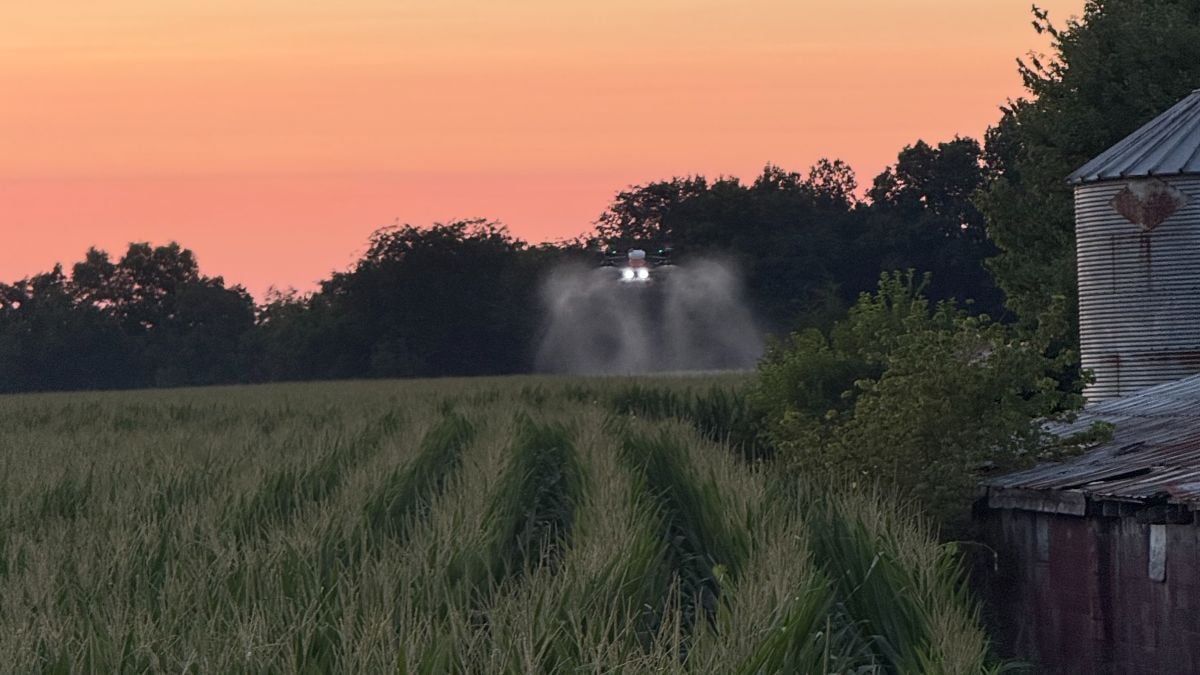
Drone application looked like it was filling a need in the eastern side of the state with our smaller fields. It also presented an opportunity to “build my own business”. We are still learning a lot in this business. But being safe and applying safely are major in my book. It’s important to be safe around the drone itself as well as safe around the chemicals. These drones are very capable, but we still have to pay attention to where we set up to fly from, along with other environmental factors that can affect our working conditions. And then we have to be willing to have honest conversations with the grower/customer about what you can and cannot do, legally and safely.
When it comes to advantages a few are: Drones don’t have to wait on perfect ground conditions. I think drones get great crop canopy coverage. I think drones will ultimately allow us to do more precise spraying such as spot spraying.
Interested in learning more about drones? Join Ohio Farm Bureau members from across the state at the 2027 Winter Leadership Experience Jan. 22-23 in Columbus, Ohio and sit in on “The Drone Dividend” breakout session hosted by a panel of agricultural drone professionals. Early bird registration ends Dec. 15; registration closes Jan. 5. Open to members of all ages. Some county Farm Bureaus offer scholarships.
Upcoming Deadlines and Events
Ohio Farm Bureau is opening doors for young members by sponsoring five Young Ag Professional members’ registration, hotel, and travel to the AFBF FUSION Conference in New Orleans March 12-15, 2027. For more information or to apply, visit ofb.ag/AFBFscholar.


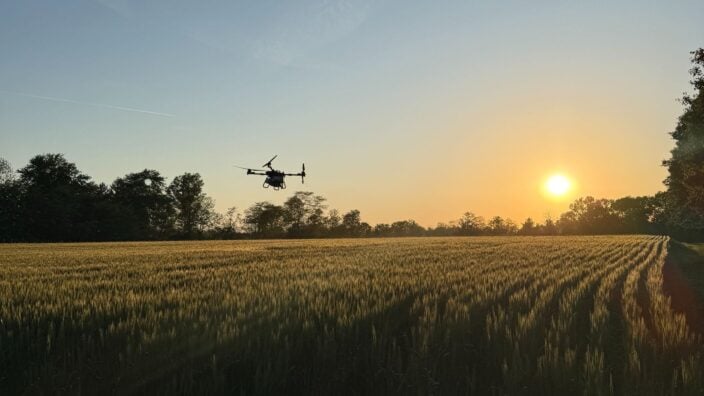
Three Young Agricultural Professional members discuss the benefits and challenges of owning and operating a drone business for agricultural use.
Read More

Maggie Preston, Lincoln Deitrick and Denver Davis describe their role in agriculture, their Farm Bureau involvement and what it means to win their respective state awards.
Read More
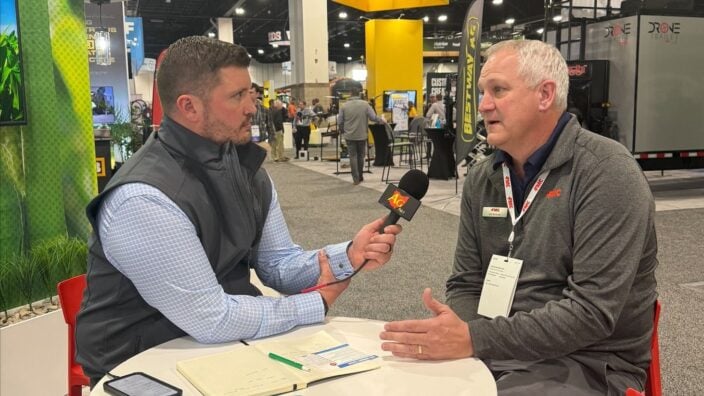
Meet Joe Everett, a Shelby County Farm Bureau Young Ag Professional who has dedicated his life to service, both in uniform and within his local community.
Read More
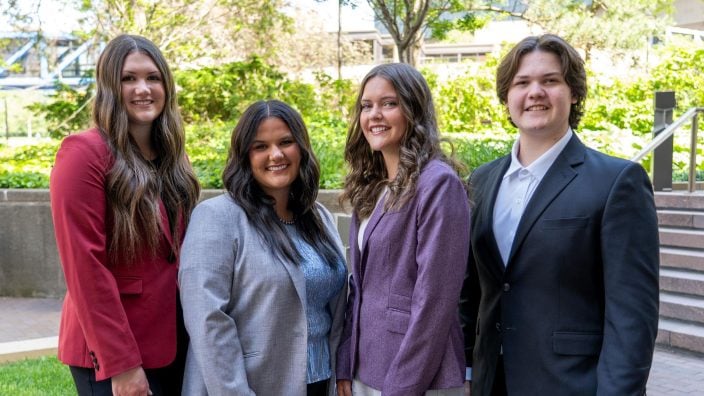
The 75,000 square foot ImAGine Ag exhibit made its debut at the 2026 Ohio State Fair in the new Ohio Agriculture Center, giving thousands of visitors a hands-on, interactive learning experience.
Read More
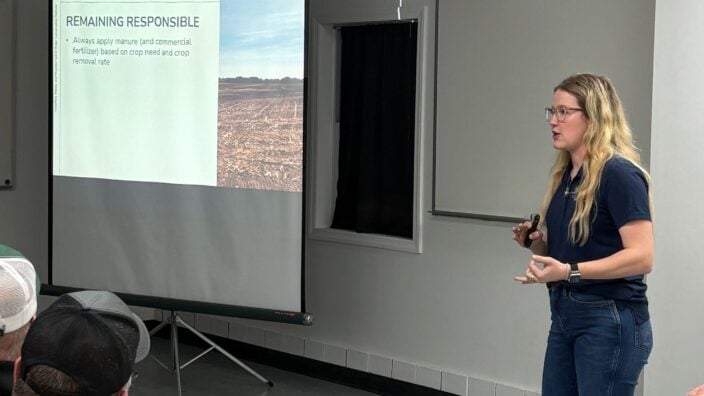
Meet Hannah Ziegler, nutrient management technician and social media content creator for Crawford and Wyandot Soil and Water Conservation Districts.
Read More
While many envision the dairy sector solely on the farm, modern agriculture relies heavily on vital, nontraditional supporting roles.
Read More