




Applications for Ohio Farm Bureau Health Plans now available
Members have three ways to apply: contacting a certified agent, calling 833-468-4280 or visiting ohiofarmbureauhealthplans.org.
Read MoreOhio Farm Bureau’s State of the Science Report is published periodically to provide updates on Ohio and national water quality research and emerging issues. The July edition explores two important ecological questions: ‘Why are agricultural systems considered leaky?’ and ‘What is the natural aging process for lakes and ponds?’ The August edition explores soil phosphorus management strategies and provides an overview of three of the commonly used phosphorus loss assessment methods.
July Report (pdf)
August Report (pdf)
Excerpts from the reports are below.
Take away messages:
Take away messages:
An overview of the three commonly used phosphorus loss assessment approaches are provided:
Agronomic-based soil tests can play a role in the environmental management of soil phosphorus but are only the beginning of a more comprehensive approach. Several studies have found that soil test phosphorus levels are related to the release of phosphorus into the solution. Plots of soil test phosphorus against soil solution phosphorus have shown the existence of a two-part relationship and change point (threshold). Soils with soil test phosphorus values above the threshold release phosphorus into the soil solution at a higher rate than do soils with soil test values below the threshold. For several soils from the United States, the threshold occurred in 120-190 mg/kg Mehlich-3 P range (84-133 mg/kg Bray-1 P). These results point to a potential environmental threshold for phosphorus soil test values.
Environmental soil phosphorus thresholds are similar to agronomic limits in that they evaluate the potential for phosphorus loss in runoff based on a single parameter, soil test phosphorus. The assumption is that there is a soil test phosphorus threshold, different from the agronomic limit for crop response, where the soil test phosphorus level leads to a greater potential for phosphorus loss in runoff.
Of the three approaches, the phosphorus index has been the most widely adopted to target phosphorus management. A phosphorus index is an assessment tool used to identify agricultural fields most vulnerable to phosphorus loss by accounting for major source and transport factors controlling phosphorus movement.
Current nutrient management planning seeks to identify critical source areas of phosphorus loss. Critical areas can be single fields within a watershed or portions of a field that are disproportionately responsible for phosphorus export. The phosphorus index developed as a tool to rank the vulnerability of fields as sources of phosphorus loss in overland flow.
On-Field Ohio!
Ohio State University is in the final stages of a phosphorous index field-level evaluation tool to manage phosphorus runoff loss while maintaining agricultural production and protecting water quality. The tool called On-Field Ohio! will be an online, interactive program that provides long-term average for erosion and phosphorus runoff.


Members have three ways to apply: contacting a certified agent, calling 833-468-4280 or visiting ohiofarmbureauhealthplans.org.
Read More
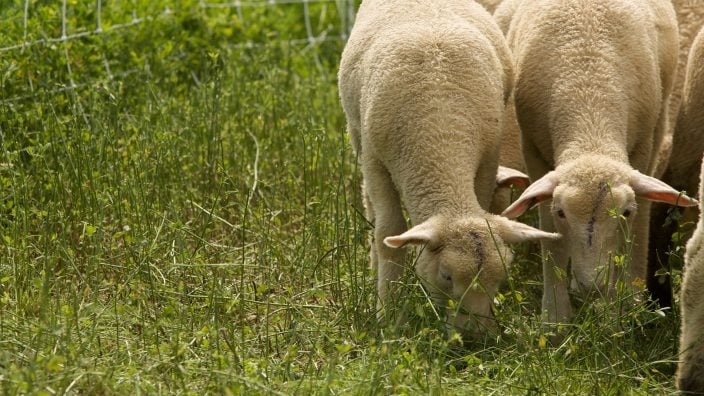
CAUV updates include a slight decline in values for counties undergoing reappraisals and a long-sought change to the valuation of permanent pastureland.
Read More

These funds will help provide scholarships, expand educational programs and strengthen initiatives that connect students and young professionals to meaningful careers in agriculture.
Read More
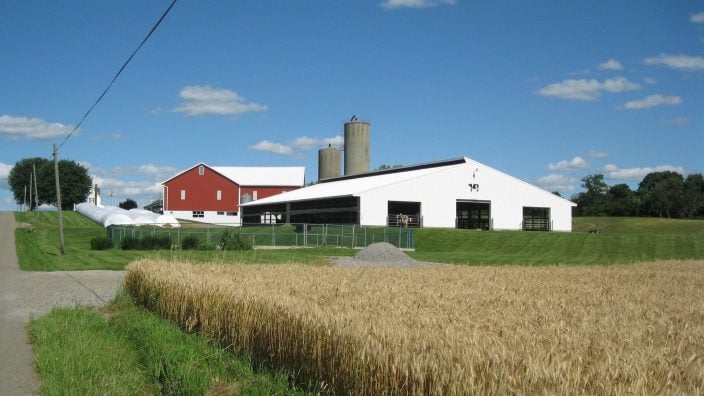
While many envision the dairy sector solely on the farm, modern agriculture relies heavily on vital, nontraditional supporting roles.
Read More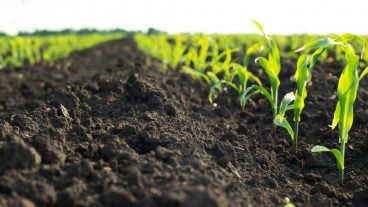
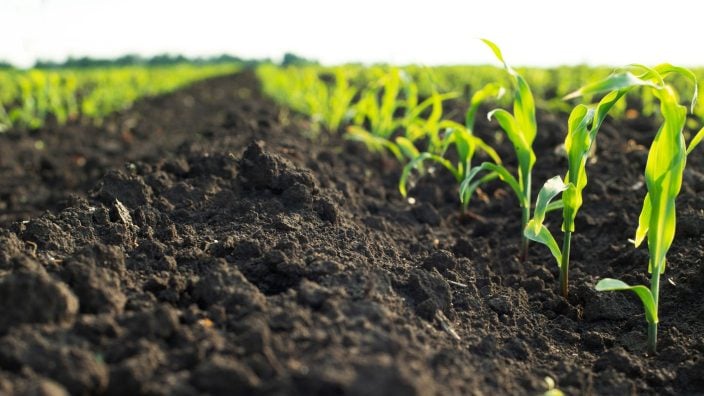
Talk to your Nationwide Farm Certified agent today to see if you’re ready to make the switch and explore what it means to your farm’s risk management strategy.
Read More
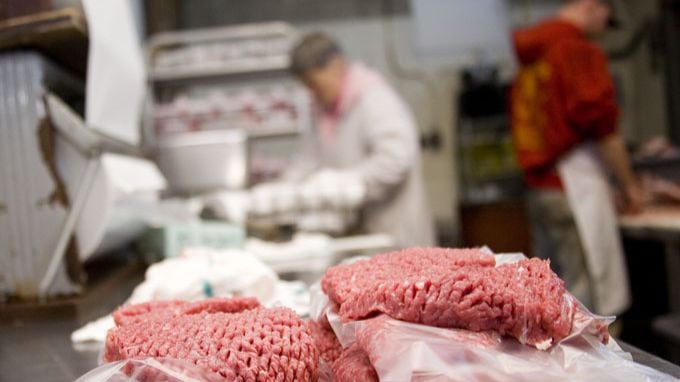
USDA is providing $60 million in support and funding opportunities for small and mid-sized meat processors across the country. Apply by Aug. 7.
Read More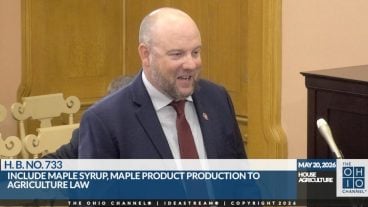
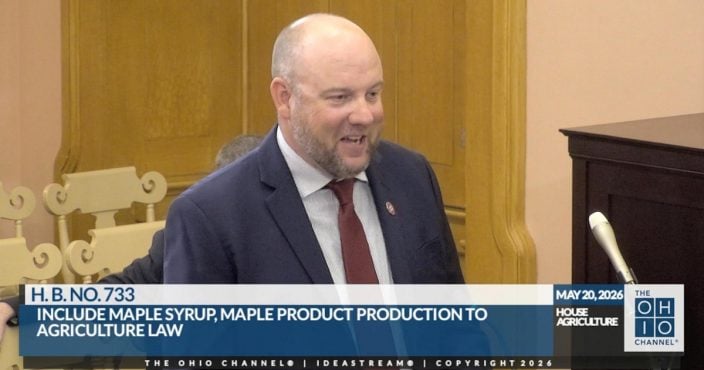
Introduced by Rep. Sarah Fowler Arthur (R-Ashtabula) and Rep. David Thomas (R-Jefferson), the bill would add trees cultivated for maple syrup production to Ohio’s statutory definition of agriculture.
Read More
Ohio Farm Bureau members receive exclusive access and discounted rates to digital tools specifically designed to maximize day-to-day productivity, simplify equipment maintenance and enhance asset protection.
Read More
Ohio Farm Bureau shared members’ concerns about the rapid growth of data centers across the state and the long-term impacts on agriculture and rural communities.
Read More
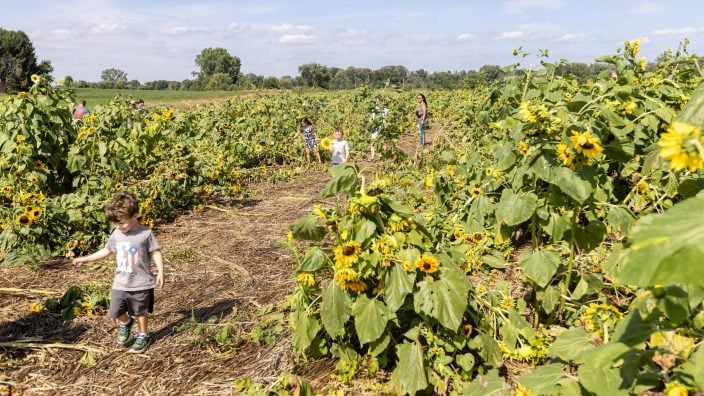
The online application period is open now, until June 30, for those who would like to apply to be featured on The Ohio Ag-Venture Guide.
Read More