



Applications for Ohio Farm Bureau Health Plans now available
Members have three ways to apply: contacting a certified agent, calling 833-468-4280 or visiting ohiofarmbureauhealthplans.org.
Read MoreThe Small Business Administration has released its rules for the small business Paycheck Protection Program. Agricultural enterprises that meet the size requirements are eligible to apply for this program.
The Paycheck Protection Program is a new guaranteed loan program which includes $349 billion for small businesses to keep their employees on the payroll. Eligible businesses include nonprofits, veterans organizations, Tribal business concerns, sole proprietorships, self-employed individuals and independent contractors – with 500 or fewer employees.
Loans are capped at $10 million but can include up to eight weeks of the business’ average monthly payroll costs from the last year plus an additional 25% for nonpayroll costs. Seasonal and new businesses will use different calculations. The PPP will be available through June 30, 2020.
All employees are kept or quickly rehired and compensation levels are maintained for eight weeks (payroll costs are capped at $100,000 on an annualized basis for each employee).
The funds are used for:
Due to likely high subscription, it is anticipated that not more than 25% of the forgiven amount may be for nonpayroll costs.
Farmers can apply for the PPP through any existing SBA 7(a) lenders or through any federally insured depository institution, federally insured credit union and Farm Credit System institution that is participating.
Top-line program overview
Information for lenders
Information for borrowers
Borrower application


Members have three ways to apply: contacting a certified agent, calling 833-468-4280 or visiting ohiofarmbureauhealthplans.org.
Read More
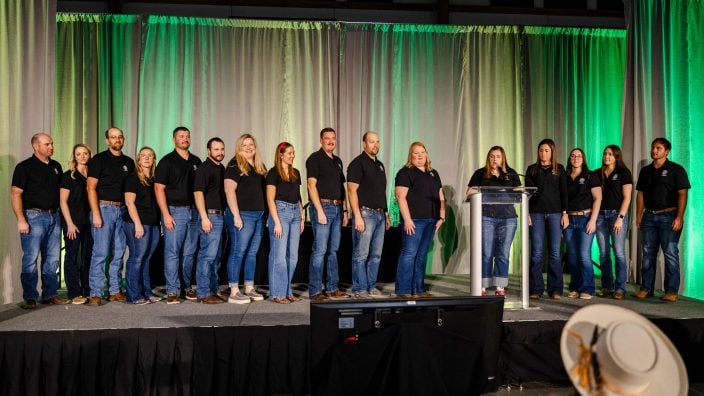
Members ages 18-34 who are interested in developing their leadership skills and enhancing programming for their peers should apply.
Read More

Senate Bill 328 is legislation designed to strengthen career-connected learning and better prepare students for Ohio’s workforce needs.
Read More

With the Family Forest Carbon Program, you can have a successful farm and get paid to grow healthy forests.
Read More
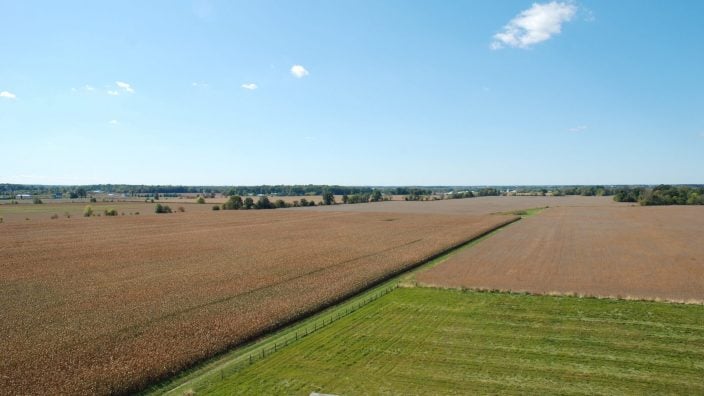
Ohio Farm Bureau recently sent a letter to Congress calling for the swift passage of the Farm, Food, and National Security Act of 2026 (HR 7567).
Read More
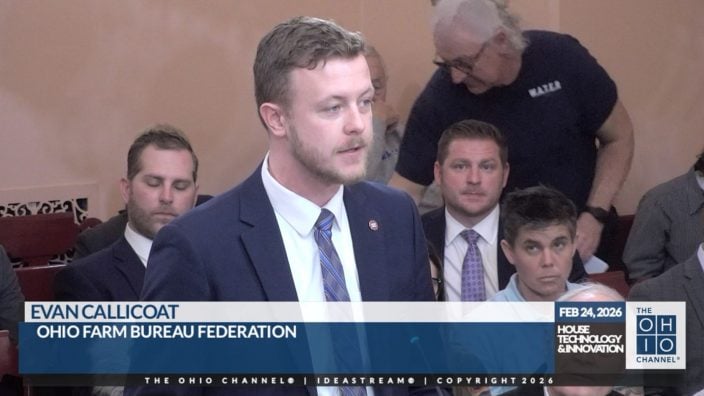
House Bill 646 would establish a Data Center Study Commission to examine the impact of rapid data center development across the state.
Read More
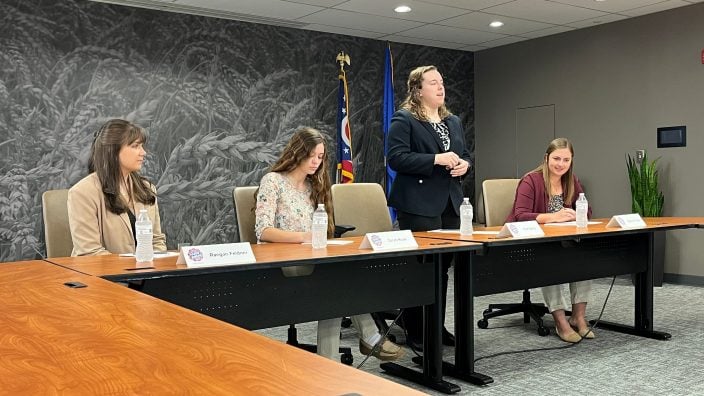
Collegiate Farm Bureau serves as a connection to current industry professionals and equips the next generation with the essential tools and resources needed to excel in their careers.
Read More

Ohio Farm Bureau members met one-on-one with state legislators and staff to discuss policy priorities impacting Ohio’s farms and rural communities.
Read More

Legacy nutrient deductions enable new farmland owners to claim deductions on the nutrients within the soil on which healthy crops depend.
Read More
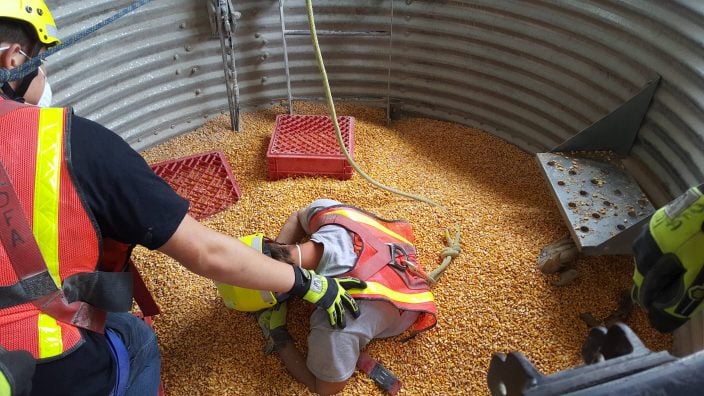
Farmers, agribusinesses and community members are encouraged to nominate their local fire departments for Nationwide’s Nominate Your Fire Department Contest through April 30.
Read More