


Applications for Ohio Farm Bureau Health Plans now available
Members have three ways to apply: contacting a certified agent, calling 833-468-4280 or visiting ohiofarmbureauhealthplans.org.
Read MoreDuring the most robust economy in history, about 1.6 million Ohioans relied on Ohio food banks to feed their families.
Then COVID-19 hit. The state in essence shut down in mid-March. The folks who already relied on food banks to stretch what their paychecks couldn’t cover were suddenly out of a job, as were thousands upon thousands of others.
“We’re feeding more people than we’ve ever fed in the history of Ohio,” said Lisa Hamler-Fugitt, executive director of the Ohio Association of Food Banks.
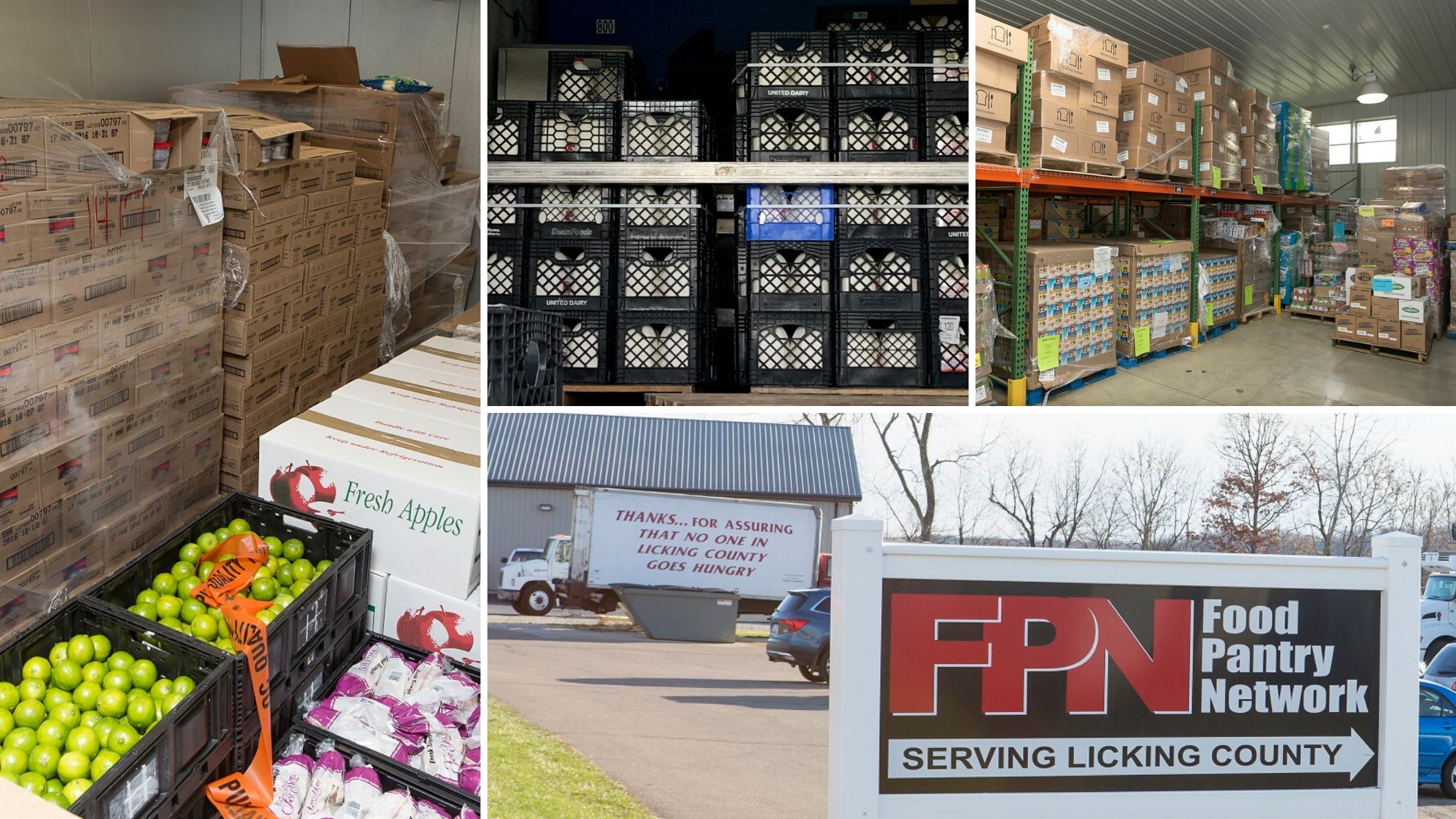
OAFB has seen an influx of almost $5 million from the state to help bridge the COVID-19 crisis. Almost $1 million of that is going toward helping get dairy into the refrigerators of those in need and helping dairy farmers have a place for their product to go.
“We’ve been clearing more milk now,” Hamler-Fugitt said. “Helping get raw milk made into cheese or cottage cheese, yogurt. The rest has gone to shelf stable items, such as peanut butter, tuna, a very limited supply of canned fruits and vegetables, dry pasta, ravioli, rice.”
OAFB runs the Ohio Agricultural Clearance Program, helping to move products from farms to those who need it, including everything from fresh fruits and vegetables to beef and pork.
That is all exponentially harder now.
Food pantries across Ohio are largely faith-based, volunteer organizations that rely on a mostly older population to help feed local communities. When the stay at home orders were put into place, those faith-based programs shut down, Hamler-Fugitt said.
“We lost our volunteers,” Hamler-Fugitt said. “70% of our 3,600 faith-based organizations across the state are operating with senior volunteers, who are one of the most vulnerable populations.”
Other corporate volunteers who come from large companies also were sent home to shelter in place and not able to volunteer.
Today, 500 National Guard troops are stationed at Second Harvest and Feeding America regional food banks all over the state where “thousands” of people are coming for food every day, she said. Their deployment lasts in 30-day increments, and Hamler-Fugitt received notice May 1 that the current deployment might be the last as the state looks to slowly reopen the economy.
“Losing the National Guard would be catastrophic,” she said, noting that they do everything from drive trucks, stock produce and greet customers, along with everything in between.
But it’s not just increased demand and lack of a volunteer force that keeps Hamler-Fugitt up at night during this unprecedented time. It is also the food supply chain – both the logistics and the purchasing.
“There are plenty of eggs,” she said, as an example, “but not enough cartons to put them in. For a while we didn’t have enough trucks (to haul food to regional food banks).”
Another example of disruption is a microcosm of the overall crisis. When, on occasion, the Ag Clearance Program would be offered a pig to process through the program, Hamler-Fugitt said they could count on the meat processing school at Pickaway County Correctional Institution to process the hog. Even that option has been taken away because of the COVID-19 outbreak at that facility.
Finally, Hamler-Fugitt said the association’s buying power is dwindling. With every monetary donation that is coming in, she is turning around and buying food that costs sometimes much more than it did before the pandemic, as demand outstrips supply.
“This is a lesson for us in Ohio,” Hamler-Fugitt said. “We don’t have the full supply chain in Ohio and have to rely on outside sources. I understand the economy of scale, but it doesn’t matter. Our fate is hanging in the balance. It is a hard job to grow, raise and process our food. Maybe this will be a wake-up call to Americans.”


Members have three ways to apply: contacting a certified agent, calling 833-468-4280 or visiting ohiofarmbureauhealthplans.org.
Read More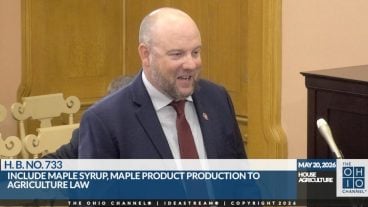
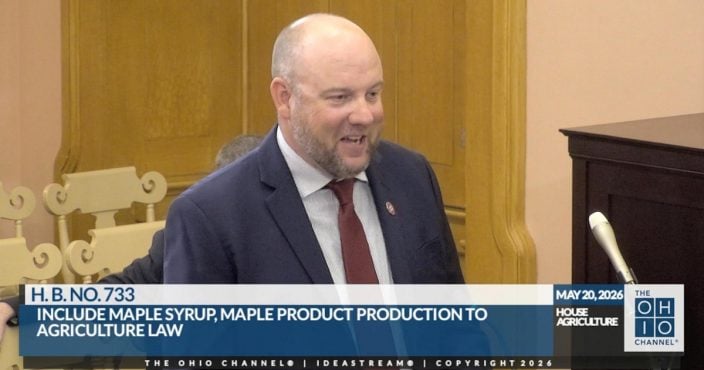
Introduced by Rep. Sarah Fowler Arthur (R-Ashtabula) and Rep. David Thomas (R-Jefferson), the bill would add trees cultivated for maple syrup production to Ohio’s statutory definition of agriculture.
Read More

Ohio Farm Bureau members receive exclusive access and discounted rates to digital tools specifically designed to maximize day-to-day productivity, simplify equipment maintenance and enhance asset protection.
Read More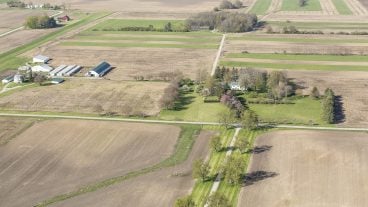
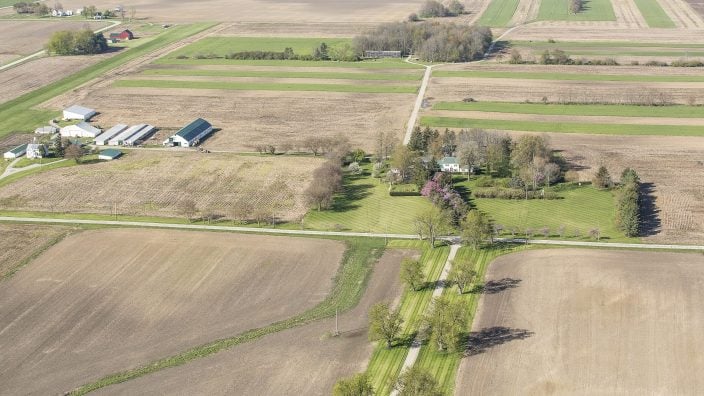
Ohio Farm Bureau shared members’ concerns about the rapid growth of data centers across the state and the long-term impacts on agriculture and rural communities.
Read More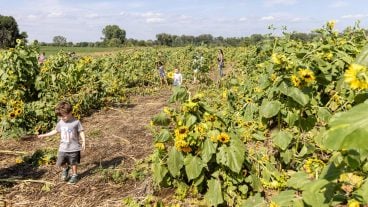
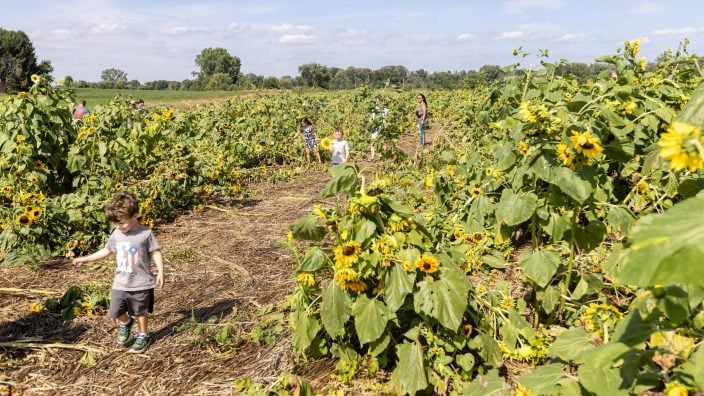
The online application period is open now, until June 30, for those who would like to apply to be featured on the America 250-Ohio Agritourism Trail.
Read More
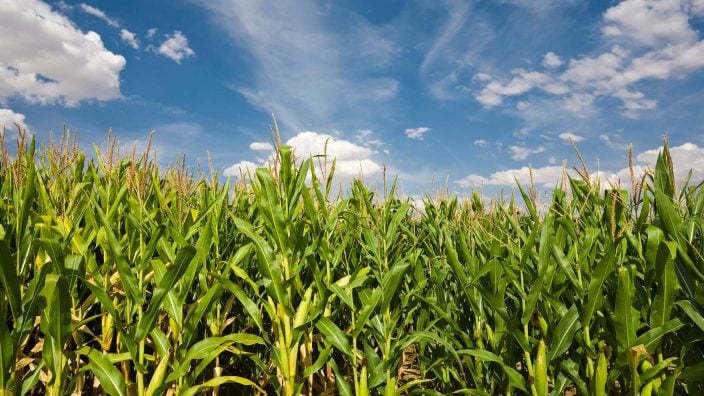
Ohio Farm Bureau testified in support of House Bill 773, legislation that would allow Ohio Turnpike travel plazas to offer E15.
Read More
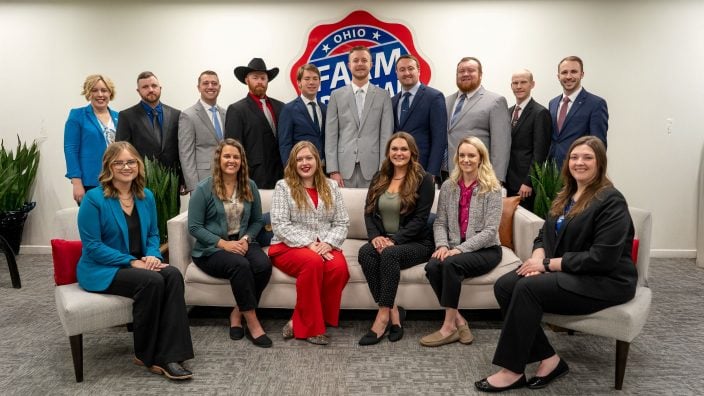
Ohio Farm Bureau is accepting applications for AgriPOWER Class XVII, its leadership and advocacy development program. Application deadline is Aug. 1, 2026.
Read More
Annually, the foundation recognizes Ohio students for their academic effort, community engagement and career interests that link agriculture to community service, education or scientific research.
Read More
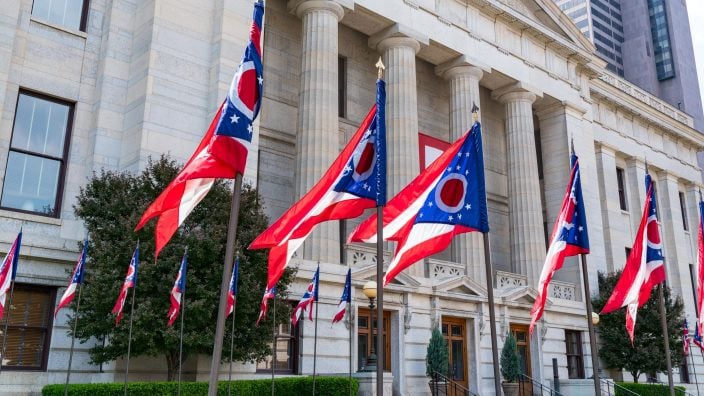
Gov. Mike DeWine’s recent decision to pause consideration of any new data center tax exemption requests, through the Ohio Tax Credit Authority, comes as the Ohio General Assembly’s Joint Data Center Study Committee looks at the growth of data centers in Ohio.
Read More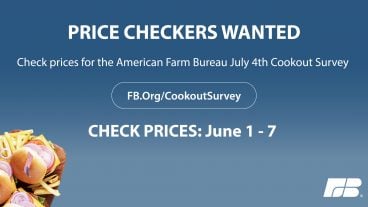
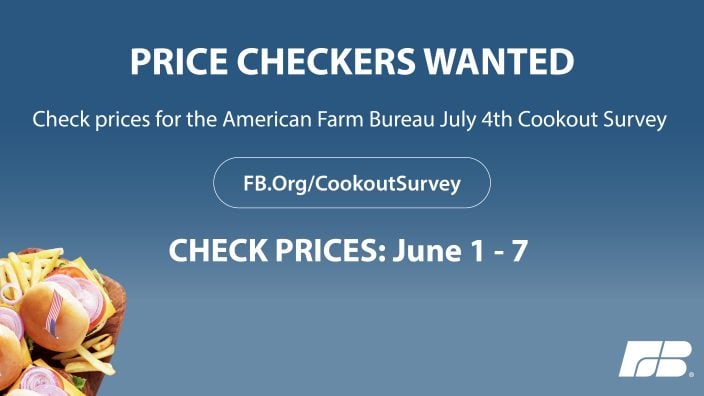
Farm Bureau members are invited to participate June 1-7 in American Farm Bureau’s Summer Cookout Survey of retail food prices commonly used to prepare a cookout meal for 10 people.
Read More