








Water Quality Resources
Experts are monitoring the severity of this season’s algal bloom in The Western Lake Erie Basin. As more research is…
Read MoreA report from Scioto Analysis shows voluntary nutrient management plans and other practices paid for through the H2Ohio program will only cost around $700,000, but with the phosphorus that is expected to be removed, it is going to be about $3 million worth of benefits.
According to a recent economic analysis, the voluntary, state-run H2Ohio water quality program is reducing the amount of fertilizer entering northwest Ohio waterways and is an efficient use of state funding.
“Ohio’s water quality is costing the state about $240 per capita, compared to $130 per capita for the average state, so we know it is an important issue,” said Michael Hartnett, an analyst with Scioto Analysis, who helped produce the report. “We came across the H2Ohio program as something that has already been implemented and was in the process of expanding, so we thought it would be a great example for a thorough cost-benefit analysis to get an estimate for how much the investment is returning.”
Scioto Analysis’ report is part of a series of cost-benefit analyses the group has conducted over the past several years. The data for this analysis comes in two forms. The valuation aspect looks at how much H2Ohio costs Ohioans, how valuable the benefits are and the effectiveness of the program, which is shown from actual results of water quality practices.
“As it currently stands in the Maumee River Watershed, we found that it is probably returning about four times the amount spent on the H2Ohio initiative,” Harnett said. “Voluntary nutrient management plans and other practices paid for through the program will only cost around $700,000, but with the phosphorus that is expected to be removed, we think it is going to be about $3 million worth of benefits.”
The analysis also studied the scenarios for expanding H2Ohio throughout Ohio versus raising the maximum state subsidy for participation in the current counties eligible.
If the current $10 per-acre payment was made available in every Ohio county, it would have the largest return by removing 253 tons of phosphorus per year, equivalent to $13 million annually.
By contrast, raising the maximum per-acre payment in the counties that are currently eligible to $20 would remove 94 tons of phosphorus and be worth $4.1 million a year. Scioto Analysis even looked at a scenario where current counties would receive a maximum $40 payment. That plan would remove 202 tons of phosphorus a year and be worth $5.2 million, according to the analysis.
As the budget process continues in Columbus and H2Ohio is up for additional funding, Scioto Analysis Principal Rob Moore hopes lawmakers use more information like this.
“We have a very well resourced research arm to our legislature at the Statehouse, but cost-benefit analysis currently doesn’t happen since they are mainly focused on budget analysis,” Moore said. “By using this type of tool for bigger programs like H2Ohio, we can have a really big return on our investment just by doing a little bit of research to figure out if things are having the social impact that we want it to have.”



Experts are monitoring the severity of this season’s algal bloom in The Western Lake Erie Basin. As more research is…
Read More

Learn how to assess your farm’s storm preparedness and get an update from Ohio Farm Bureau’s policy team.
Read More

An op-ed was submitted to the Toledo Blade by Ohio Farm Bureau Executive Vice President Adam Sharp and multiple Ohio agriculture leaders in response to several recent attacks on Ohio agriculture.
Read More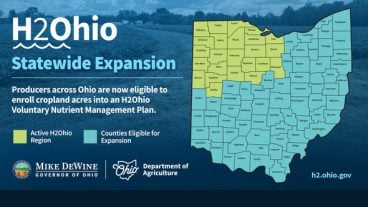
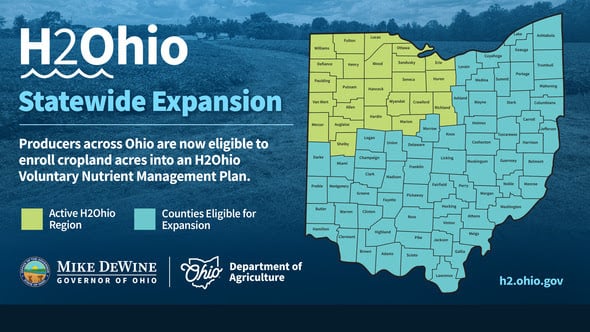
ODA will enroll 500,000 acres into the program during a sign-up period ending Friday, May 31, 2024. Contact local SWCD offices to apply.
Read More

The comprehensive study found that water quality has improved tremendously over the years, with 86% of the state’s large rivers in good to excellent condition compared to just 18% in the 1980s.
Read More
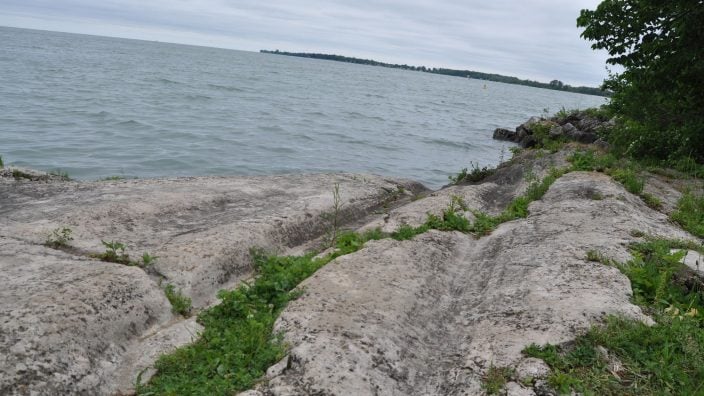
Get an update on the H2Ohio water quality initiative and find out what a cost-benefit analysis says about the funding allocated to farmers taking part in the initiative.
Read More
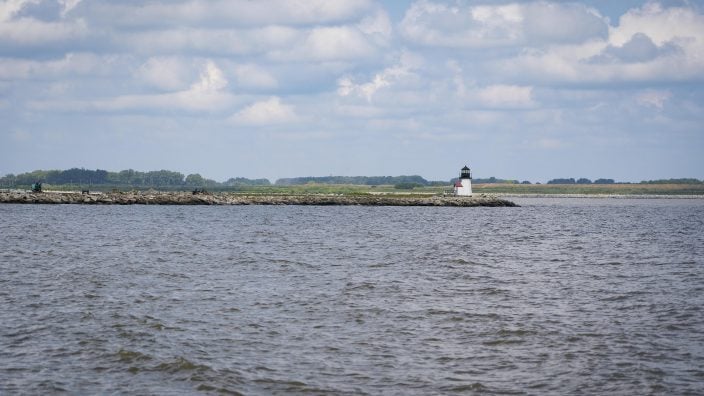
The H2Ohio water quality program is reducing the amount of fertilizer entering northwest Ohio waterways and is an efficient use of state funding.
Read More
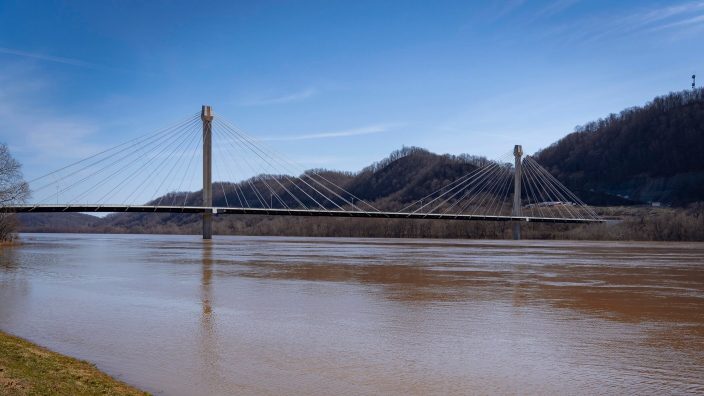
Projects will create wetlands, restore wetlands on hydric soils and/or enhance water quality at existing wetlands and floodplains.
Read More

ODA, Farm Bureau and the Demo Farms are partnering to assess the agronomic and economic impacts of H2Ohio Best Management Practices.
Read More

Newly appointed Ohio NRCS Chief John Wilson talks about stepping into his new role and some of the challenges and goals he has for his agency moving forward.
Read More