

Patterson serving on 2026 OFBF Policy Development Committee
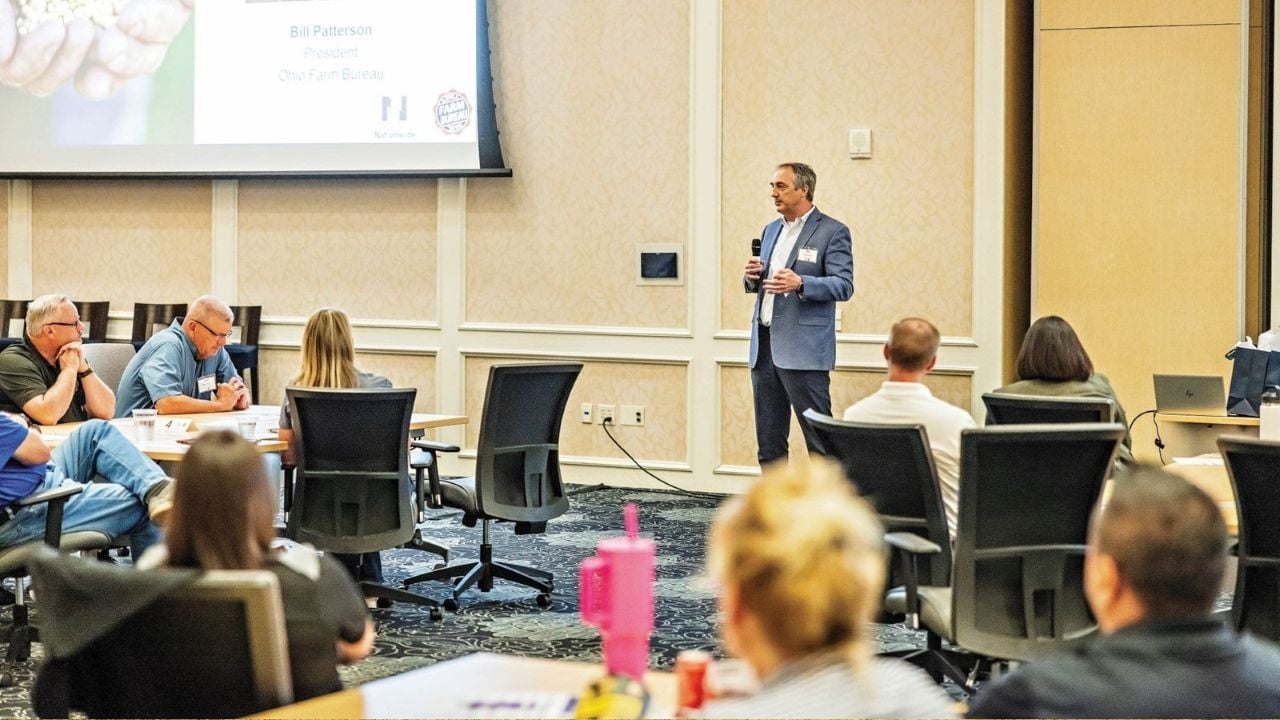
Bill Patterson of Chesterland is serving on the 2026 Ohio Farm Bureau Federation Policy Development Committee.
Read MoreIt’s that time of year when you get to hear me talk about the county fair.
County fairs have always been some of my favorite events of the year, but I’ll admit my relationship with them has changed. Now that my job has me covering four counties and spending months preparing for fair season, sometimes I struggle to find the same joy in them that I once did.
Fair has become schedules, volunteers, displays, emails, phone calls, early mornings, late nights and approximately 4,000 things happening at once.
But no matter how much of the fair becomes work, there is one thing I will never argue about: There is something magical about a county fair livestock barn.
My favorite time has never been when the barn is packed or everyone is rushing to the show ring. It’s in the evening, after the animals have been fed and most fairgoers have headed home. The aisles get quieter, the fans hum in the background and the cattle settle down, contentedly chewing their cud.
There are few things more calming to my soul than sitting in a quiet cattle barn at the end of a long day with my family nearby. That is where I always seem to find the part of the fair I fell in love with in the first place.
Our family had been preparing for this year’s fair since last year’s ended, which is reality for many families raising livestock through 4-H and FFA. These projects represent months of feeding, walking, washing, caring, planning, learning and making decisions.
This year, my son Colter showed a Charolais market steer named Moose. Moose was the first calf born on our farm out of Colter’s show heifer, Fancy, and out of a bull Colter selected himself after hours of conversations, studying and searching for traits that would complement his heifer and fit what we wanted for our herd.
It was a decision made by a 10-year-old that I wholeheartedly agreed with. Moose had a personality as big as he was (and he weighed 1,410 pounds!) Walk into the barn and his head would pop over the pen wall waiting for attention, a cold-water rinse or his favorite treats: marshmallows and graham crackers.
Those silly little things are part of what makes these projects special, because what people see at the county fair is only the final chapter of a much longer story.
They don’t see the evenings spent washing cattle while music blares from the barn, the laughter when somebody gets soaked, siblings getting along one minute and arguing the next, or our family walking three or four animals at once because there simply aren’t enough hours in the evening.
And I promise you, it isn’t all sunshine, roses and cute pictures with cattle. There have been arguments, tears and even a little bloodshed. There have been nights when we’ve threatened to sell every animal we own and nights when everyone was so exhausted that two laps instead of 10 simply had to be good enough.
I also won’t pretend my son did everything himself. Raising livestock in our family is exactly that — a family affair. There were nights when Colter was exhausted, and his dad and I picked up the slack, but there were also nights when I worked late, Dad handled dinner and Colter went to the barn and took care of everything himself.
This summer, I watched him begin noticing what needed to be done without always being told. I watched him make decisions, take responsibility and understand that when an animal depends on you, you show up whether you feel like it or not.
Somewhere between feeding, washing, walking and preparing for another county fair, I could see a little less of my baby boy and a little more of the young man he is becoming.
That realization is incredibly bittersweet because someday I know I’m going to want these ordinary evenings back. I’ll miss hearing my kids laughing while they give cattle baths, the music playing while they clean pens, the conversations during chores and probably even some of the arguing.
Right now, it can feel like we’re simply trying to get everyone fed, walked, washed and ready for fair, but I know better.
We are building a family in that barn just as much as we are building a herd.
That is what I wish more people could see when they walk through the livestock barns at the county fair.
Look beyond the animals and ribbons because there are stories behind nearly every gate. Ask a young exhibitor their animal’s name, what they’ve learned or what makes that animal special. You might be surprised how quickly their face lights up.
The county fair is one of agriculture’s greatest celebrations because, for a few days, agriculture is right there in the middle of our communities. People who may never step foot on a farm can walk through a livestock barn, meet the families raising animals and growing food, ask questions and experience a small piece of a way of life that fewer Americans know firsthand.
And while we may walk into those barns thinking we’re raising livestock for the county fair, somewhere along the way we’re raising kids, too. They’re learning responsibility, perseverance and how to solve problems. They’re learning how to win, how to lose and how to keep going when things don’t turn out the way they hoped.
In between all those lessons, we’re getting something too: time together.
Someday the show boxes will be packed away for the last time, there won’t be another animal to walk before dark and my kids won’t need Mom and Dad in the barn helping them prepare for another fair. I know those days are coming much faster than I would like.
Maybe that’s why, despite the exhaustion and the work fair season has become, I can still sit in that livestock barn at the end of the day and feel completely at peace. For just a little while, everything slows down enough for me to appreciate exactly where I am.
After months of preparing, working and rushing through another county fair that quiet barn always reminds me of something I sometimes forget.
There is still plenty of magic here.
Submitted by Mandy Orahood, the organization director at Ohio Farm Bureau Federation for Ashtabula, Geauga, Lake and Trumbull counties.
OFBF Mission: Working together for Ohio farmers to advance agriculture and strengthen our communities.




Bill Patterson of Chesterland is serving on the 2026 Ohio Farm Bureau Federation Policy Development Committee.
Read More
Marsha Stanhope of Kinsman is serving on the 2026 Ohio Farm Bureau Federation Policy Development Committee.
Read More
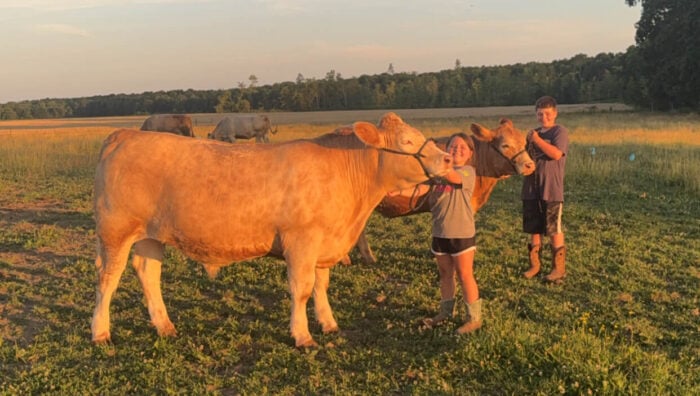
While we may walk into those barns thinking we’re raising livestock for the county fair, somewhere along the way we’re raising kids, too.
Read More
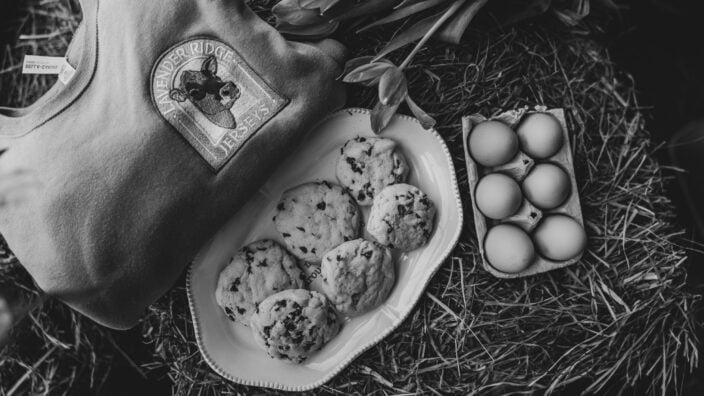
Who knew that what started as having to come up with a prefix for my first homebred Jersey would grow into such a brand and new business ventures for me.
Read More
Not every child will grow up on a farm, but every child deserves some version of the freedom my grandparents’ farm gave me — the freedom to be curious, learn by doing and grow at their own pace.
Read More
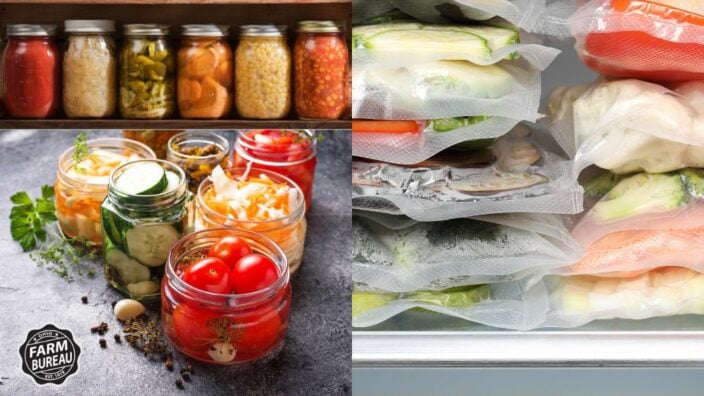
Canning and freezing are the most common ways to preserve garden vegetables, but it’s important to follow the correct steps to preserve quality and taste, and to promote food safety.
Read More
This past month has been filled with so many wonderful opportunities to share our love and passion for farming, and to give consumers a small glimpse into what it takes to raise and care for crops and animals.
Read More
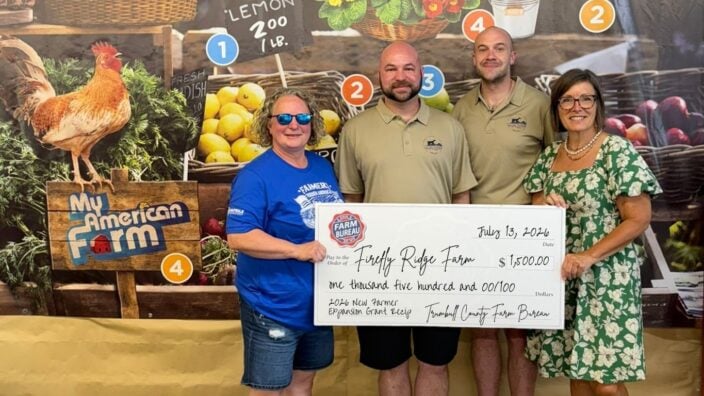
The $1,500 grant is awarded annually to support the growth and development of beginning farmers who are committed to advancing Ohio agriculture.
Read More
As a general rule of thumb, an inch of rain each week during the summer is needed for most plants.
Read More
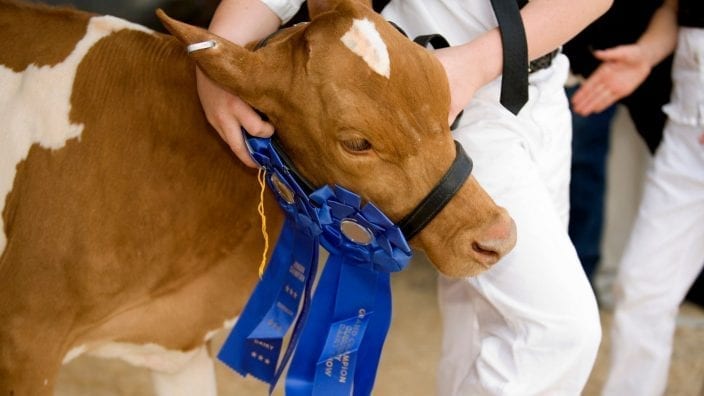
I hope you have plans to go to the fair as well. Continuing to learn is important, no matter your age. So, bring your questions and let’s have a conversation.
Read More