









Applications for Ohio Farm Bureau Health Plans now available
Members have three ways to apply: contacting a certified agent, calling 833-468-4280 or visiting ohiofarmbureauhealthplans.org.
Read More
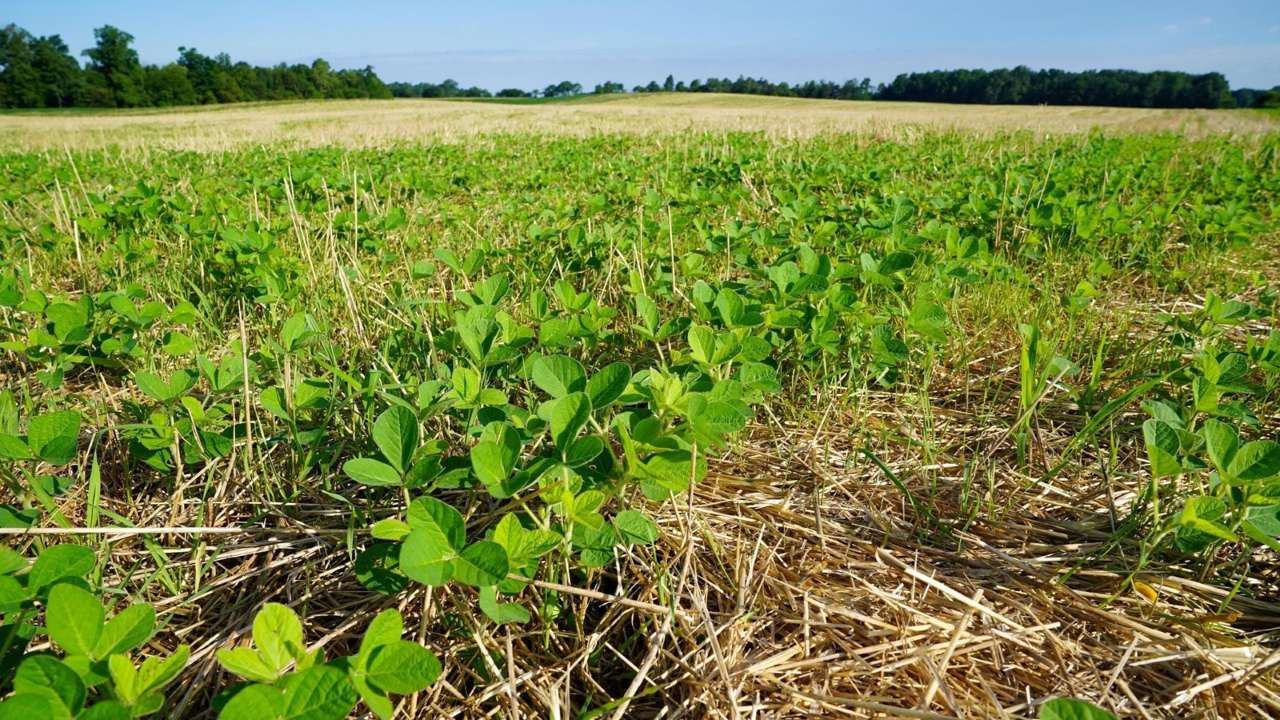
Perhaps you’ve seen it driving through the state- a large field that was once soybeans is now corn, the next year, wheat. But is crop rotation really that important for your home garden?
Yes! The rotation of your crops around your garden in a systematic order will make sure you aren’t planting the same crop in the same bed year after year. This helps maintain healthy soil and prevents depletion of nutrients. Each plant requires different nutritional needs, and your crops will affect the soil in a particular way. Rotating your plants takes advantage of abundant nutrients left over from certain crops and allows the soil to recover nutrients that were depleted during the past growing season. Plus, it interrupts cycles of disease and decreases insect infestation.
Becoming aware of the vegetable families will help ease the confusion of rotating your garden. In general, vegetables do well when planted next to others in the same family. Below are common vegetables and the families to which they belong. The similarities between the plants in each family are quite distinct.
Alliaceae (Onion Family)
Chive, garlic, leek, onion and shallot
Amaranthaceae (Amaranth Family)
Beet, spinach, and Swiss chard
Apiaceae (Carrot Clan)
Carrot, celery, dill, fennel, parsley and parsnip
Asteraceae (Daisy Family)
Artichoke, lettuce and sunflower
Brassicaceae (Mustard Family)
Broccoli, Brussels sprouts, cabbage, cauliflower, collard greens, kohlrabi, radish, turnips
Cucurbitaceae (Gourd Family)
Cucumber, gourd, melons, luffa, pumpkin, summer and winter squash, including zucchini
Fabaceae- Leguminosae (Pea Family)
Alfalfa, broad bean, lima bean, peas, snap beans and soybeans.
Poaceae (Grass Family)
Corn
Solanaceae (Nightshade Family)
Eggplant, pepper, potato, tomatillo and tomato
Some vegetables do particularly well when planted in succession or after other plants in the same soil. For example, beans and legumes leave soil rich in nitrogen. Nitrogen promotes leaf development, so leafy crops like lettuce and cabbage should be planted in the same bed after beans On the other hand, crops in the Gourd or Nightshade family, such as tomatoes and cucumbers, should not be planted after beans, because the nitrogen in the soil will produce leafy plants with less fruit. Thin-leafed crops, such as carrots and leeks, grow well when planted after leafy plants because there will be fewer weeds in the soil. Tomatoes enjoy the deeper soil left from carrots and beets, and cucumbers will provide weed suppression following a year of thin-leafed crops.
As you plan your garden for the upcoming growing season, take note of the crops you intend to plant and group them by family. Sketch your garden plot and divide it into the appropriate number of beds per family. Label each bed with the family of crops you intend to plant. Keep this layout in a garden journal for the following year. It will be easier to refer to this guide than recall your garden layout by memory. Next year, re-sketch your garden layout and beds. Rotate the vegetable families among the beds, moving in the same direction year after year.
The chart (see images) is an example of a four-bed, counter-clockwise rotation system using common vegetables.
The letters correspond to the following vegetables:
A: Peas and beans
B: Broccoli, Brussels sprouts, cabbage, lettuce and spinach
C: Beets, carrots, leeks, onions and turnips
D: Cucumbers, eggplant, tomatoes, peppers
For home gardens, crop rotation can seem complicated; you are often growing a large variety of crops in a smaller garden plot. But, if you plan ahead and keep a record of your garden layout, crop rotation will be easy and beneficial and you’ll soon notice a healthier and more fruitful garden.
Barbara Arnold is green corps coordinator at Franklin Park Conservatory.


Members have three ways to apply: contacting a certified agent, calling 833-468-4280 or visiting ohiofarmbureauhealthplans.org.
Read More
As fuel prices skyrocket across the state, lawmakers are preparing to return to the Statehouse to vote on the temporary suspension of Ohio’s gas tax.
Read More

Since 1984, the Conservation Farm Family Awards program has recognized Ohio farm families for their exemplary efforts conserving soil, water, woodland, wildlife, and other natural resources.
Read More

Meet Joe Everett, a Shelby County Farm Bureau Young Ag Professional who has dedicated his life to service, both in uniform and within his local community.
Read More

A year-end review provides an opportunity to evaluate your operation’s financial position, discuss future goals and develop strategies for the upcoming season.
Read More

Ohio Farm Bureau has created a new guide to help members better understand the laws, regulations and risk considerations that come with opening their farms to the public.
Read More

The groups received a firsthand look at agricultural policy, advocacy and leadership in the nation’s capital.
Read More

By prioritizing safety and health, you protect yourself and those around you, reduce downtime, and ensure your operation runs smoothly.
Read More

Twenty leaders have been named to the 2026 Ohio Farm Bureau Federation Policy Development Committee.
Read More
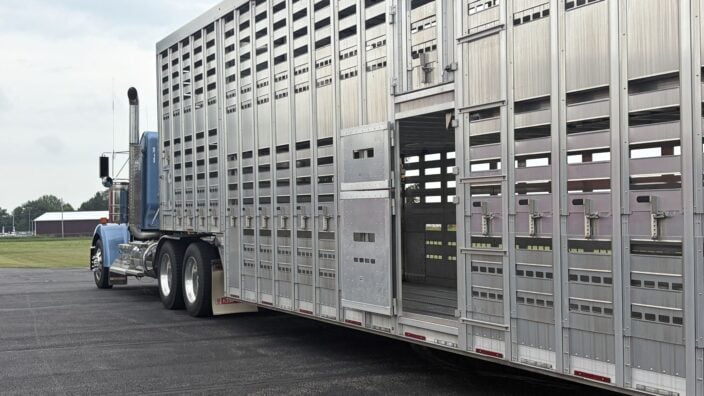
Two specialized, hands-on training sessions will address high-risk agricultural emergencies: manure pit rescues in confined spaces and roadside livestock transportation accidents.
Read More