

Applications for Ohio Farm Bureau Health Plans now available
Members have three ways to apply: contacting a certified agent, calling 833-468-4280 or visiting ohiofarmbureauhealthplans.org.
Read MoreWhen Amy Stross decided to grow her own food, the Hamilton County Farm Bureau member leased space from a friend who owned a multiacre lot.
Stross had seen the rows and rows of kale, kohlrabi and tomatoes growing at the farm where she worked as part of her Community Supported Agriculture program and believed she couldn’t replicate that on her tenth-of- an-acre lot in the burbs.
But when it came time to harvest vegetables, Stross felt differently. “In the case of yield, I was totally wrong. I could have grown the same amount at home,” she said.
She realized that with careful planning she could produce a wide variety of food on her own lot – especially if she used her front and back yards and the strip of land between the sidewalk and the street. “My biggest barrier was my misconception that I needed a lot of space,” she said. “It turns out, it wasn’t an issue.”
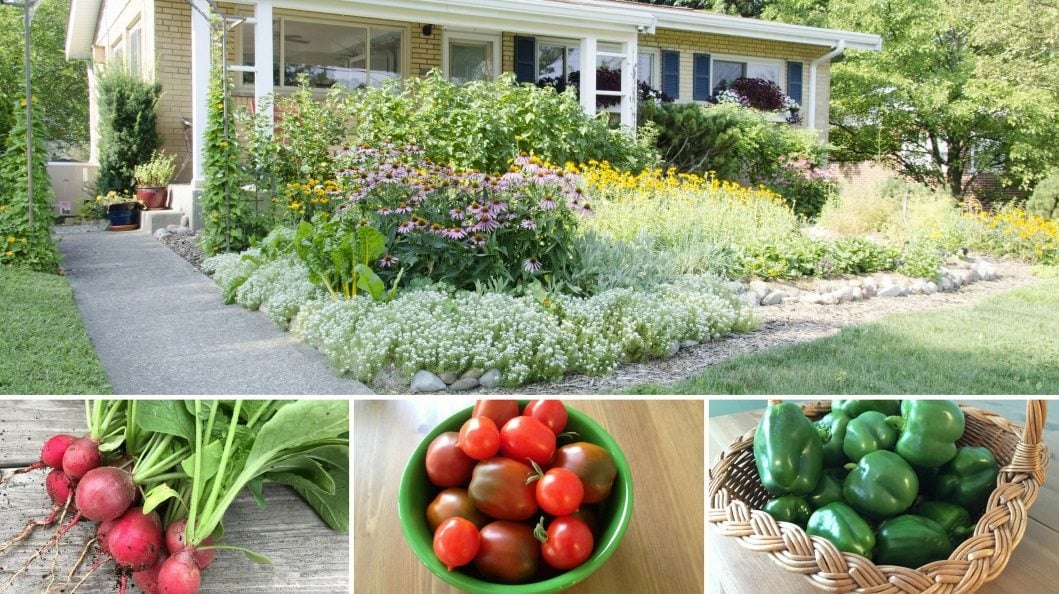
 She focused on creating an edible landscape for her yard, planting black raspberry bushes under her windows, using cayenne pepper plants in her borders and lining her front porch with currant bushes. As she became more experienced, she paid careful attention to how water flowed through her yard and which areas received the most sun in order to create the best growing conditions. In a nod to creating something that was attractive as well as productive, she planted interesting color combinations. She paired yellow chard with white sweet alyssum and collard greens with purple-flowering chives.
Ultimately, she grew enough food on her property to incorporate something from the garden in 50 percent of her meals. “The idea of being a suburban micro farmer wasn’t my original goal,” she said. “It wasn’t something I set out to do. I just fell in love with farming.”
Stross began sharing her ideas and successes on her website and found that there were many other suburbanites hungry for the chance to grow their own food. She recently published a book, The Suburban Micro-Farm, designed to help would-be growers get started.
Her advice might seem unexpected. “Start small,” she said.
It’s easy to become overwhelmed by gardening tasks so it’s best to begin with something that’s manageable, she explained. You don’t want tending your food to become a burden, she said. It should be something you look forward to.
If you have small plot, you can follow another bit of Stross’ sage advice: Spend just 15 minutes a day in the garden.
If your garden plot is small and well-organized, it’s possible to keep it maintained this way, she said. Her book offers calendars and schedules to help gardeners best use their work time. She even encourages readers to bring their coffee or favorite adult beverage into the garden to make the tasks more enjoyable.
If you’ve never grown food in your yard, even a small amount will be a welcome change, she said. “When you’re starting out, there’s nowhere to go but up.”
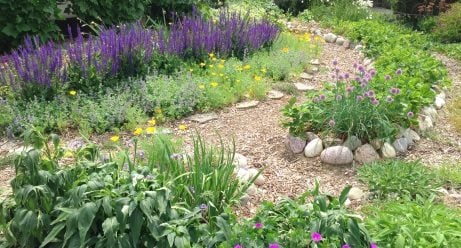 The rain garden, foreground, is planted with echinacea (purple cone flower), blue flag iris and wild geranium. The perimeter includes food-producing crops like sage. Strong-scented herbs in the strawberry beds, such as chives, serve as pest repellents.
Tips for Growing Edibles
Start small: A carefully planned small space will offer a good yield without overwhelming you with work.
Take stock of your space: Study your yard to determine how much sun, shade and water the different areas get in order to plant just the right fruits or vegetables.
Plant what you love: This will make gardening even more appealing to you and create less waste.
Grow perennials: Perennials are those plants that come back year after year, producing delicious food without much work on your part. Some examples are asparagus, fruit and nut trees, berry bushes, strawberries and herbs. They are a smart choice for the low maintenance garden.
Don’t give in to the ‘brown thumb’ theory: The term “brown thumb” implies that you were either born with the innate ability to grow things (“green thumb”), or you weren’t. But don’t call it quits if you aren’t successful. The key to becoming a successful gardener is simply a matter of practicing. You wouldn’t expect to be able to play the guitar after one lesson, would you? Become a detective and observe what happened. Did your cucumbers catch a disease or pest? What were the symptoms? What could you try next time? Practice makes perfect.



Members have three ways to apply: contacting a certified agent, calling 833-468-4280 or visiting ohiofarmbureauhealthplans.org.
Read More
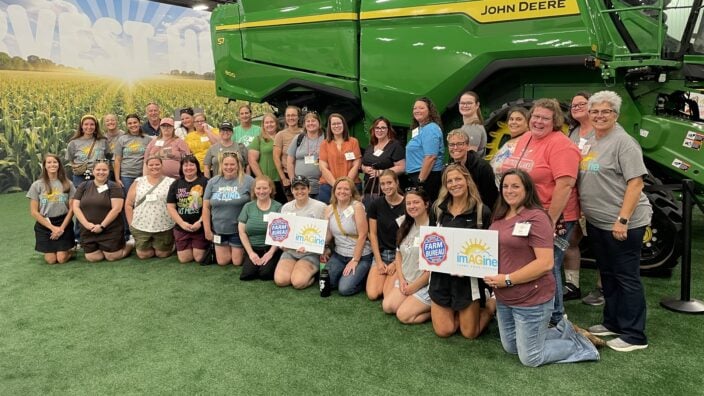
More than 50 K-5 educators took part in professional development events at the 2026 Ohio State Fair, centered around agricultural education and the organization’s new imAGine Ag exhibit.
Read More
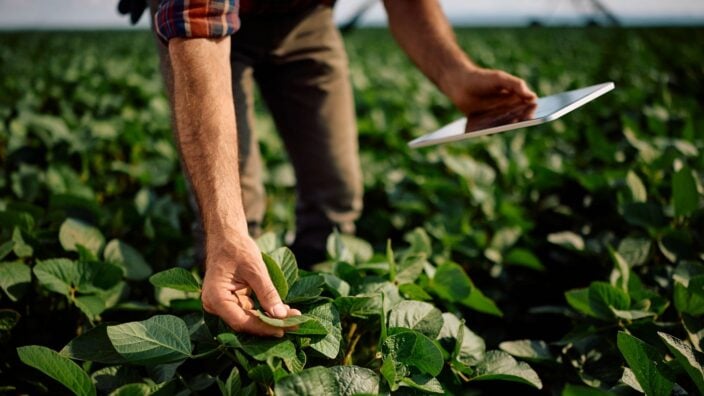
Founded by farmers in 1926, Nationwide has grown into a trusted partner for the agricultural community while staying true to its roots.
Read More
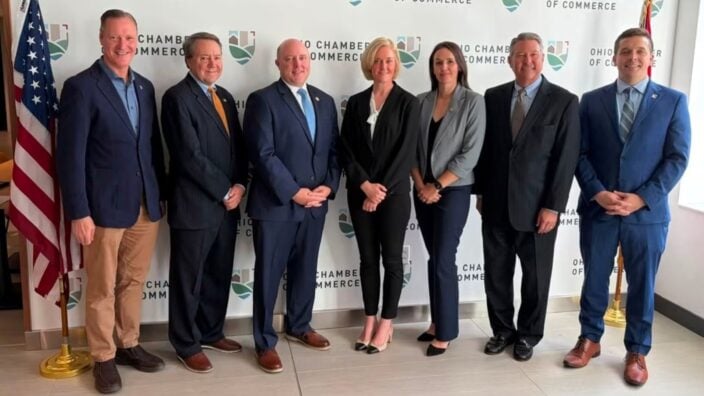
Five of Ohio’s leading business organizations, including Ohio Farm Bureau, announced support this week for Justice Dan Hawkins and Colleen O’Donnell in the 2026 elections for the Ohio Supreme Court.
Read More
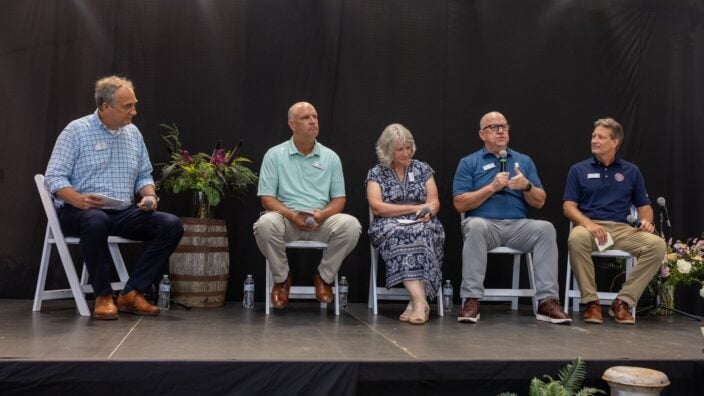
The 16th annual Cultivating a Cure welcomed more than 320 attendees and raised $151,053 to support cancer treatment and prevention research.
Read More

Ohio Farm Bureau is accepting applications for the Discussion Meet, Excellence in Agriculture, and Outstanding Young Farmer 2027 contests.
Read More

At the 2026 Sale of Champions, Ohio Farm Bureau, along with partners Bob Evans Farms and Nationwide, purchased the Grand Champion Market Barrow exhibited by Parker Elchinger of Henry County.
Read More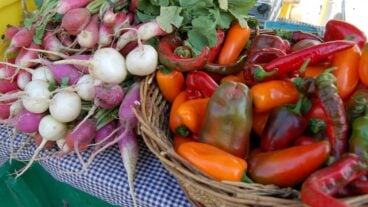
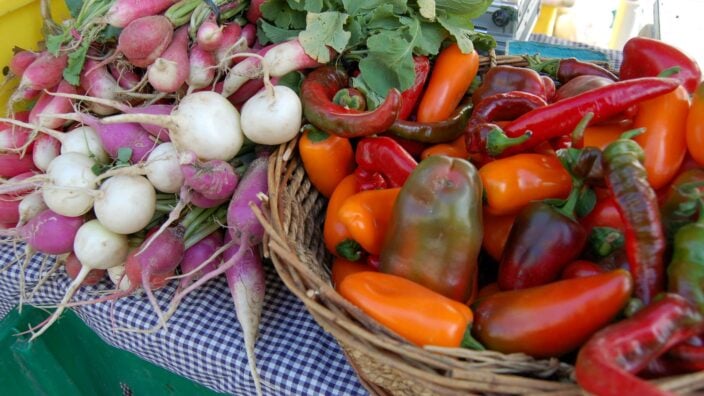
Ohio Farm Bureau and the Ohio Produce Growers and Marketers Association are encouraging Ohioans to support local fruit and vegetable growers while following recommended food safety practices.
Read More
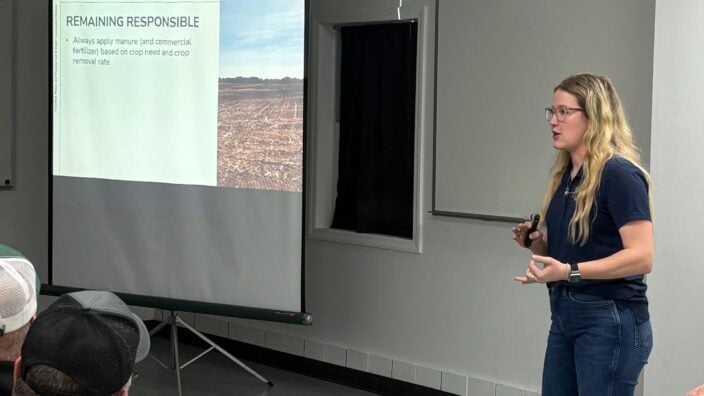
Meet Hannah Ziegler, nutrient management technician and social media content creator for Crawford and Wyandot Soil and Water Conservation Districts.
Read More
Ohio Farm Bureau supports responsible economic development and will continue to advocate for policies that protect Ohio’s water resources, farmland and rural communities.
Read More