

Applications for Ohio Farm Bureau Health Plans now available
Members have three ways to apply: contacting a certified agent, calling 833-468-4280 or visiting ohiofarmbureauhealthplans.org.
Read MoreGov. John Kasich abandoned one of his most basic principles by announcing unilateral regulation of farming practices in an attempt to improve Lake Erie water quality. With no conversation with Ohio’s agriculture community, the Kasich executive order would include regulation of over 2 million acres in northwest Ohio.
Today’s executive order ignores the transparent and inclusive approach to the regulatory process Kasich promised with his “Common Sense Initiative.” Because the agricultural community was not included in the process, farmers are left with frustration, questions and uncertainty on both the process and implications of this order.
“We can’t even react to the specific regulations he’s proposing; we haven’t seen them,” said Adam Sharp, executive vice president of Ohio Farm Bureau.
Kasich’s order has no realistic recognition of the time nor the financial or educational resources required for farmers to comply. Regulations created under the order may conflict with multiple layers of existing regulation. There are also significant concerns about the science applied, the processes through which the order will be enacted and the specific authorities of the multiple state agencies charged with carrying out the order.
Sharp said Farm Bureau will take the rare step of filing a formal public records request in order to gain clarity on some of these issues.
“We’re also curious why the order deals with only agriculture and not other pieces of the water puzzle, especially since the administration has prioritized other water quality initiatives instead of farm conservation programs,” Sharp said.
The Kasich administration said it has invested more than $3 billion to improve Lake Erie water quality. But an examination of the expenditures, reported by Cleveland Public Broadcasting Station WCPN, found that only 1 percent of that money was used to address agriculture’s portion of the water quality challenge.
“If we weren’t a priority for state resources, why are we a priority for state regulation?” Sharp asked.
Farm Bureau supports the actions of the Ohio House and Senate in passage of Clean Lake 2020, which became law today. It provides funding of up to $20 million in a targeted phosphorus reduction fund, $3.5 million to support soil testing and the development of nutrient management plans, among other provisions, recognizing the complex needs of farmers in the process.
Working with the legislature – and the administration – is always the preferred approach to address agricultural concerns.
This is a news release for use by journalists. Questions should be directed to Joe Cornely, 614-246-8230.


Members have three ways to apply: contacting a certified agent, calling 833-468-4280 or visiting ohiofarmbureauhealthplans.org.
Read More
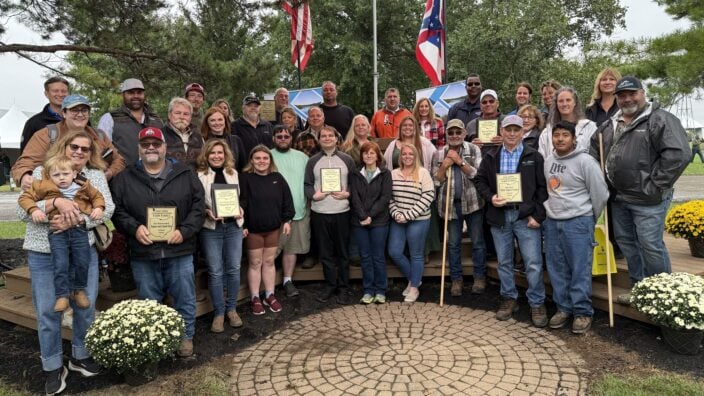
Since 1984, the Conservation Farm Family Awards program has recognized Ohio farm families for their exemplary efforts conserving soil, water, woodland, wildlife, and other natural resources.
Read More
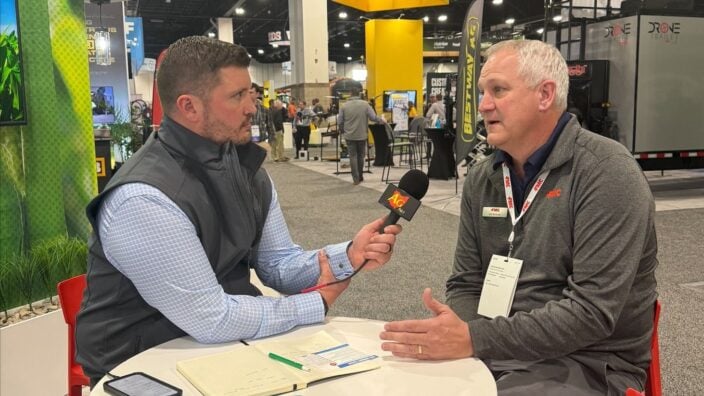
Meet Joe Everett, a Shelby County Farm Bureau Young Ag Professional who has dedicated his life to service, both in uniform and within his local community.
Read More
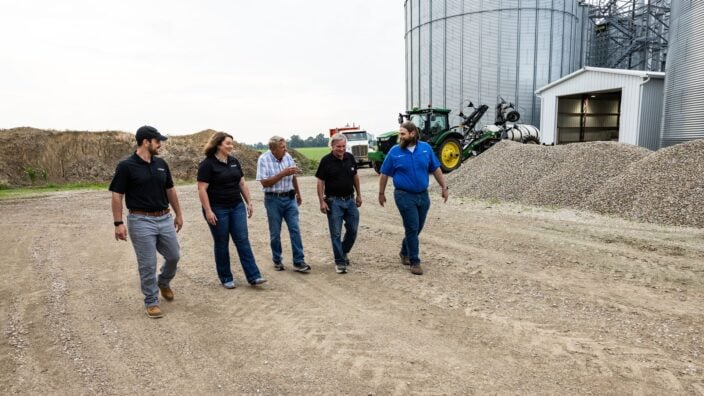
A year-end review provides an opportunity to evaluate your operation’s financial position, discuss future goals and develop strategies for the upcoming season.
Read More

Ohio Farm Bureau has created a new guide to help members better understand the laws, regulations and risk considerations that come with opening their farms to the public.
Read More
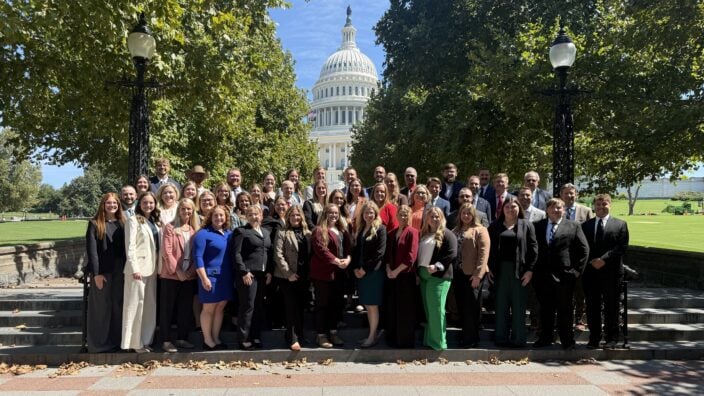
The groups received a firsthand look at agricultural policy, advocacy and leadership in the nation’s capital.
Read More

By prioritizing safety and health, you protect yourself and those around you, reduce downtime, and ensure your operation runs smoothly.
Read More
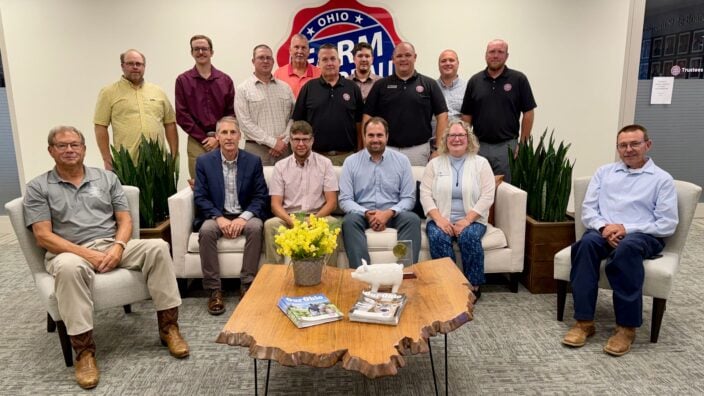
Twenty leaders have been named to the 2026 Ohio Farm Bureau Federation Policy Development Committee.
Read More
Two specialized, hands-on training sessions will address high-risk agricultural emergencies: manure pit rescues in confined spaces and roadside livestock transportation accidents.
Read More

The 75,000 square foot ImAGine Ag exhibit made its debut at the 2026 Ohio State Fair in the new Ohio Agriculture Center, giving thousands of visitors a hands-on, interactive learning experience.
Read More