







Take a close look before transferring well ownership
Conferring with a knowledgeable attorney is beneficial and important to ensure you understand your rights and obligations that may result from this type of transaction.
Read MoreEditor’s Note: This article was reviewed March 5, 2025 for accuracy.
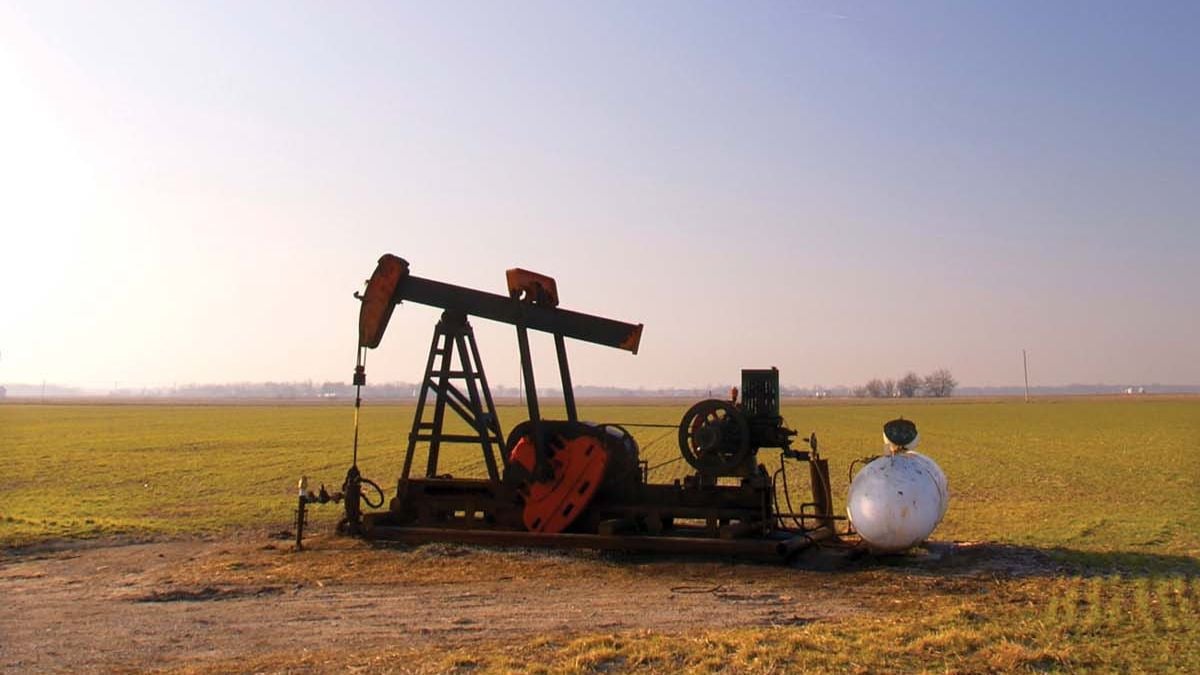
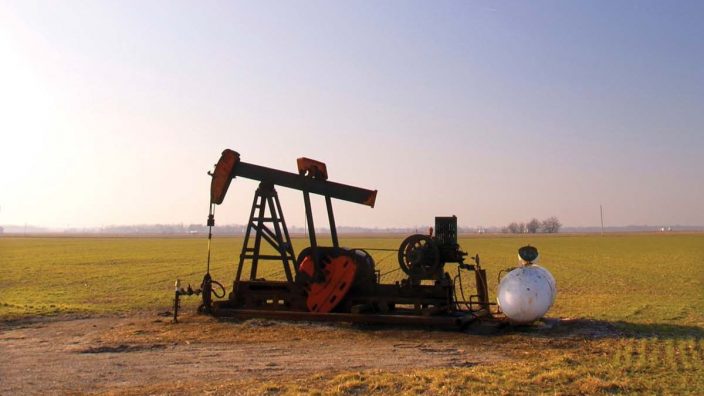
Landowners who take ownership of gas wells on their property can gain access to a low-cost supply of energy, profit from oil sales and be exempt from certain regulatory and tax requirements.
But well owners will need to be prepared to deal with new costs as well.
According to Ohio Farm Bureau Director of Energy Policy Dale Arnold, these exempt domestic wells have been bought up by farmers over the past few decades, particularly for enterprises such as dairy farming, greenhouse production or crop conditioning.
Recently, Arnold has been working with Farm Bureau members in eastern Ohio as more wonder if purchasing wells on their property makes financial sense.
He cautions that for the average user of natural gas, there are significant questions to consider before working with an oil and gas company to transfer ownership of a well.
“When you take a look at this well, how much natural gas are you going to use a year?” he asks, noting that a domestic well could save a typical farm owner between $1,500 to $2,500 annually.
Oil from the well could generate another $800-$1,200 per year. However, landowners will incur new costs for maintaining and, eventually, decommissioning the well.
“Basic price for decommissioning a well, plugging it, making sure it’s environmentally sound — a $25,000 hit,” Arnold said.
Landowners also have typically been covered for liability through their relationship with the oil and gas company. That may not be the case for exempt domestic wells, which are often not covered under farm and ranch policies.
“Buying a specialized insurance policy for a domestic well will be something you look at, too,” Arnold said.
Add to that responsibilities for filing production reports with the Ohio Department of Natural Resources and required emergency management planning information.
Arnold also notes that the natural gas from an exempt domestic well may not be sold or used for rental properties.
“You need to weigh the income with the expense, and for many smaller landowners, that could be quite a challenge,” Arnold said.
Resources
To help them make an informed decision, landowners can find annual production information on oil and gas wells through a searchable database maintained by the Ohio Department of Natural Resources.
The agency also assigns two field inspectors to each county in Ohio who can help evaluate the condition of wells. Learn more at oilandgas.ohiodnr.gov.Hear more from Arnold in the video below.


Conferring with a knowledgeable attorney is beneficial and important to ensure you understand your rights and obligations that may result from this type of transaction.
Read More

Across both bills, Ohio Farm Bureau reinforced that development can provide economic opportunity, but must be balanced with strong protections for landowners and Ohio agriculture.
Read More
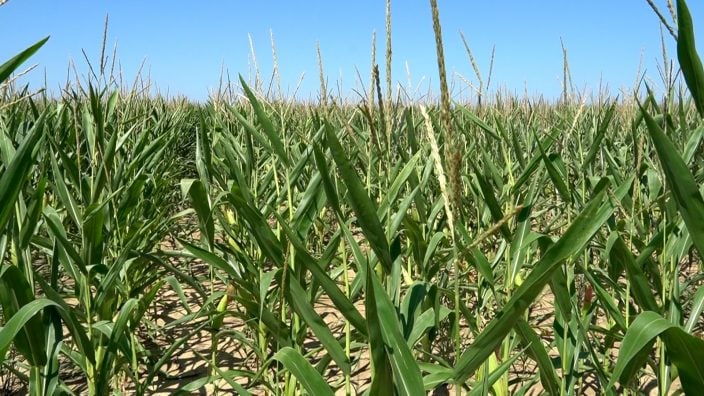
The Ohio Treasurer’s office will be offering some much-needed assistance for counties most affected by the drought. Find out more on this Ohio Farm Bureau Podcast.
Read More

Family matters can get messy, especially when a new member joins that family. How are those details ironed out and why is the process so important? Learn more about that and Ohio electricity’s future.
Read More

Find out how knowing your carbon intensity score could be a vital part of your farm’s success.
Read More

On this Ohio Farm Bureau Podcast, find out more about grain inventory loans and about a new resource for Ohio Farm Bureau members that will guide them through everything energy related here in the Buckeye State.
Read More