




Applications for Ohio Farm Bureau Health Plans now available
Members have three ways to apply: contacting a certified agent, calling 833-468-4280 or visiting ohiofarmbureauhealthplans.org.
Read MoreTwo cases regarding Current Agricultural Use Value were decided in favor of landowners earlier this month by the Ohio Supreme Court.
Ohio Farm Bureau supported plaintiffs in both cases through amicus briefs, according to Leah Curtis, policy counsel and senior director of member engagement. The cases involved woodland owners in 20 counties.
“The decision in the first case preserves the right of a landowner to appeal the CAUV values on the whole at the Ohio Board of Tax Appeals when the tax commissioner issues the final list of soil values,” Curtis said. “This is what we advocated for in our amicus brief, to ensure landowners have their opportunity to be heard by the Board of Tax Appeals.”
The BTA had previously ruled in favor of the tax commissioner that it did not have jurisdiction over an appeal of CAUV values, because they were not a “final determination” as required by Ohio law.
The second case was a rule review challenge wherein the landowners alleged that the CAUV values themselves were rules and the CAUV rules were unreasonable because they did not require the values to go through the full rule-making process, Curtis said.
“The court dismissed the claim that the CAUV values are rules,” Curtis said. “While they are final determinations and appealable, they are not rules as the Revised Code defines. OFBF had expressed concerns to the court that treating farmland values as individual rules could have politicized the value-setting process.”
CAUV values are considered a “final determination” and as such are under the jurisdiction of the Board of Tax Appeals to hear appeals, Curtis said.
The plaintiffs included landowners from Adams, Athens, Champagne, Gallia, Hancock, Highland, Hocking, Jackson, Medina, Meigs, Miami, Morrow, Pike, Richland, Ross, Sandusky, Scioto, Seneca, Vinton and Washington counties who appealed their CAUV values to the BTA. They argued the state had calculated too low of a cost for clearing woodlands when determining the CAUV values of their woodlands. The case will return to the Board of Tax Appeals for further proceedings.


Members have three ways to apply: contacting a certified agent, calling 833-468-4280 or visiting ohiofarmbureauhealthplans.org.
Read More
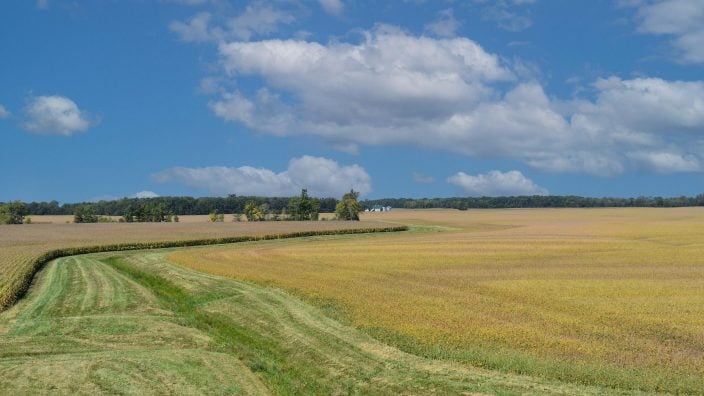
These discussions should not begin and end with a developer’s offer. Identifying family goals now gives the family something to plan around.
Read More

Ohio Farm Bureau joined leaders from across Ohio’s food and agriculture industry this week to pack 10,000 meals for central…
Read More
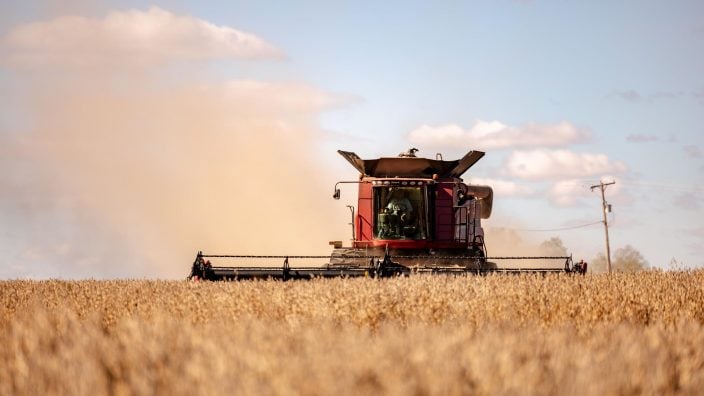
The administration recently issued an executive order easing restrictions on the use of tax-exempt dyed diesel fuel for on-road agricultural transportation.
Read More
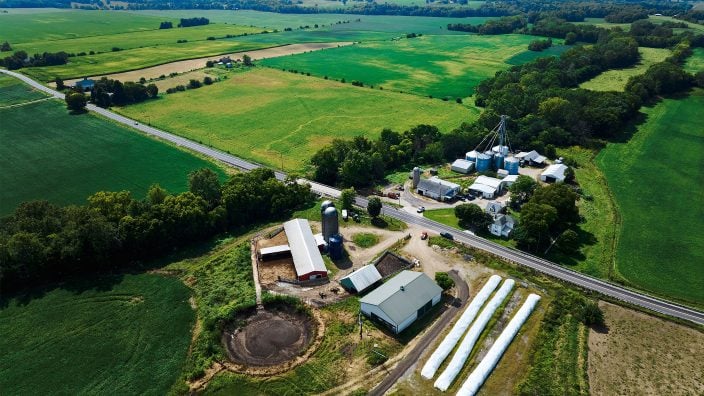
Ohio Farm Bureau Associate General Counsel Leah Curtis explains how the eminent domain process works in Ohio, what ‘quick take’ means and when it can be used.
Read More

As fuel prices skyrocket across the state, lawmakers are preparing to return to the Statehouse to vote on the temporary suspension of Ohio’s gas tax.
Read More
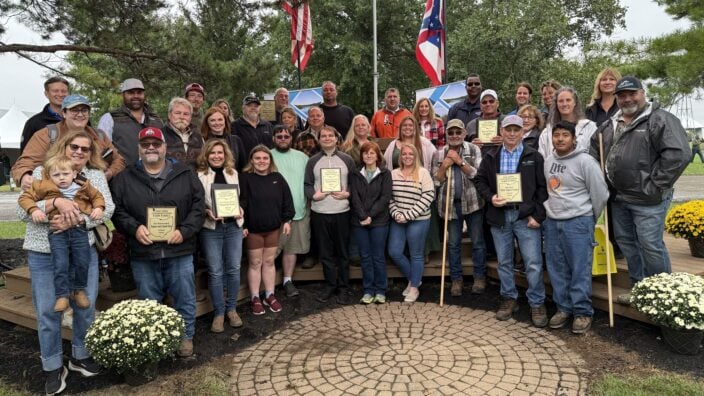
Since 1984, the Conservation Farm Family Awards program has recognized Ohio farm families for their exemplary efforts conserving soil, water, woodland, wildlife, and other natural resources.
Read More
Meet Joe Everett, a Shelby County Farm Bureau Young Ag Professional who has dedicated his life to service, both in uniform and within his local community.
Read More

A year-end review provides an opportunity to evaluate your operation’s financial position, discuss future goals and develop strategies for the upcoming season.
Read More

Ohio Farm Bureau has created a new guide to help members better understand the laws, regulations and risk considerations that come with opening their farms to the public.
Read More