




Applications for Ohio Farm Bureau Health Plans now available
Members have three ways to apply: contacting a certified agent, calling 833-468-4280 or visiting ohiofarmbureauhealthplans.org.
Read MoreOhio has a new budget for fiscal years 2022-2023. The $74 billion budget includes education reform, statewide cuts to personal income taxes, and investments to help keep Ohioans employed and to create more job opportunities across the state. It also checks many other Ohio Farm Bureau priority issues boxes.
“From rural broadband and local meat processing capacity, to funding for H2Ohio, the Ohio Department of Agriculture and Ohio State, lawmakers and Governor DeWine heard from Ohio Farm Bureau and our members and responded to the issues laid out in our Ohio Agriculture and Rural Communities Action Plan with this new budget,” said Adam Sharp, executive vice president of Ohio Farm Bureau. “We appreciate the legislature and the administration for their recognition of the challenges facing Ohio’s farm and food sector and for the action to provide funding to address the concerns of their rural constituents across the state.”
One of the biggest line items in the new biennial budget is $250 million for the Ohio Rural Broadband Expansion grant program, created earlier this year by lawmakers to allow internet service providers to apply for grants that will help fund the infrastructure needed to provide faster internet access to underserved rural Ohio communities.
“This is the largest public investment in broadband we have ever seen in Ohio,” said Jenna Reese, Ohio Farm Bureau’s director of state policy. “Broadband access is essential in rural Ohio for many reasons. Farmers use it to market their products, to keep track of commodity prices and to utilize new precision technology. Rural Ohioans’ quality of life depends on technology, and their need for reliable internet access is critical.”
Gov. Mike DeWine’s H2Ohio initiative, a comprehensive, data-driven water quality plan to reduce harmful algal blooms, improve wastewater infrastructure and prevent lead contamination, received $170 million in the budget – $49.3 million of that will be used to expand the program to 10 additional counties in the Lake Erie Watershed.
The budget also created the Meat Processing Investment grant program and funded it at $10 million to help existing plants in Ohio expand their capacity and fund new construction, including guidelines for reviewing and approving the grants.
“This is specifically for small and medium-sized meat processors in Ohio to start up or expand their operation,” said Brandon Kern, senior director of state and national policy for Ohio Farm Bureau. “The goal is to increase meat and poultry processing capacity in Ohio to make our food system more resilient for farmers and consumers.”
DeWine signed the budget into law July 1.


Members have three ways to apply: contacting a certified agent, calling 833-468-4280 or visiting ohiofarmbureauhealthplans.org.
Read More
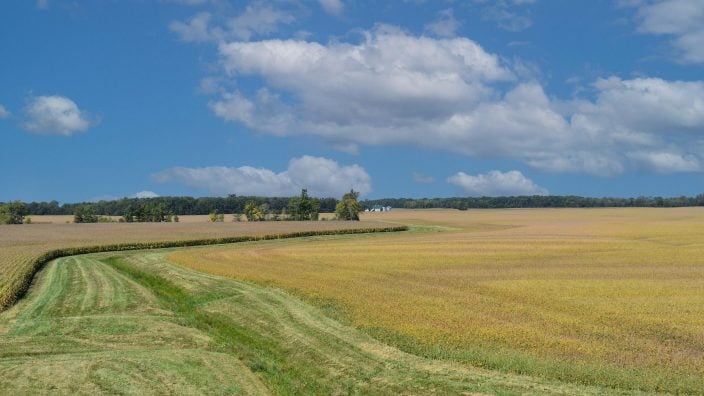
These discussions should not begin and end with a developer’s offer. Identifying family goals now gives the family something to plan around.
Read More
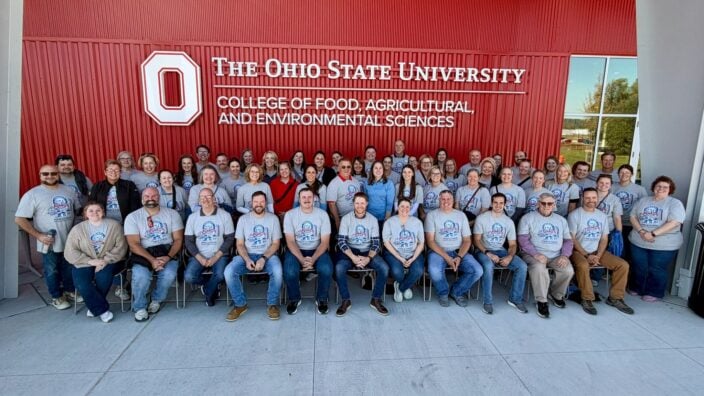
Ohio Farm Bureau joined leaders from across Ohio’s food and agriculture industry this week to pack 10,000 meals for central…
Read More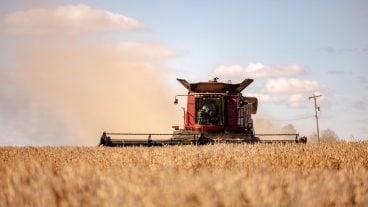
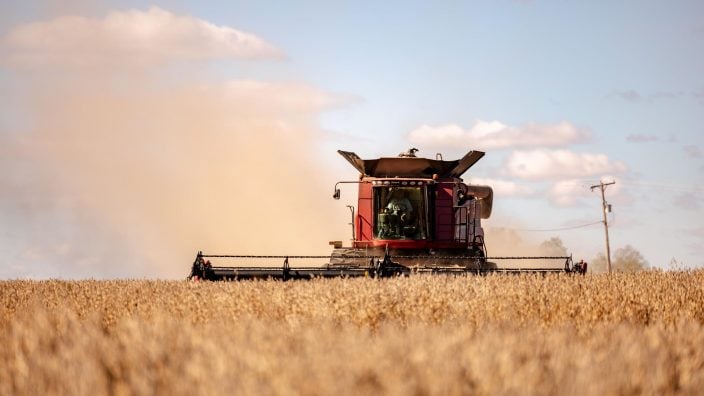
The administration recently issued an executive order easing restrictions on the use of tax-exempt dyed diesel fuel for on-road agricultural transportation.
Read More
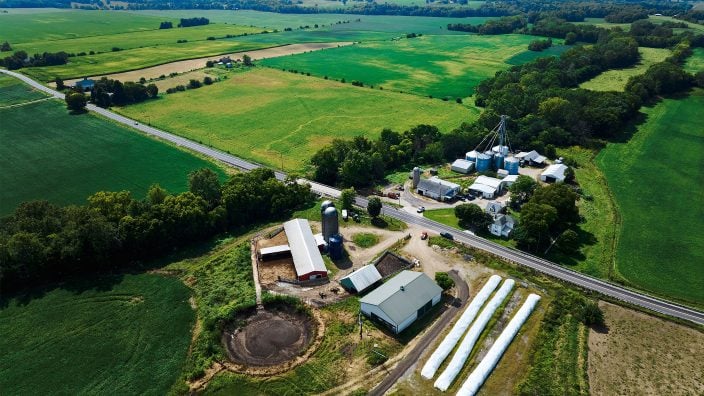
Ohio Farm Bureau Associate General Counsel Leah Curtis explains how the eminent domain process works in Ohio, what ‘quick take’ means and when it can be used.
Read More

As fuel prices skyrocket across the state, lawmakers are preparing to return to the Statehouse to vote on the temporary suspension of Ohio’s gas tax.
Read More

Since 1984, the Conservation Farm Family Awards program has recognized Ohio farm families for their exemplary efforts conserving soil, water, woodland, wildlife, and other natural resources.
Read More
Meet Joe Everett, a Shelby County Farm Bureau Young Ag Professional who has dedicated his life to service, both in uniform and within his local community.
Read More

A year-end review provides an opportunity to evaluate your operation’s financial position, discuss future goals and develop strategies for the upcoming season.
Read More

Ohio Farm Bureau has created a new guide to help members better understand the laws, regulations and risk considerations that come with opening their farms to the public.
Read More