




Ohio Farm Bureau applauds Gov. DeWine dyed diesel executive order
The executive order waives state penalties and suspends discretionary enforcement related to the use of dyed diesel on public highways through Dec. 31, 2026.
Read MoreFarmers have until June 17 to comment on the proposed rule change.
The Security and Exchange Commission’s proposed rule to require climate disclosures by public companies could severely impact family farms and ranches and intensify the already concerning rate of consolidation in agriculture.
The proposed rule requires extensive requirements for public companies to report on Scope 3 emissions, which are the result of activities from assets not owned or controlled by an organization but contribute to its value chain. While farmers and ranchers would not be required to report directly to the SEC, they provide almost every raw product that goes into the supply chain.
“The SEC has no standing to create such an intrusive rule that has the potential to create substantial liabilities and costs for producers of every commodity,” said Brandon Kern, senior director of state and national policy with Ohio Farm Bureau. “We talked about this extensively during a recent trip to Washington, D.C. and we told our members of Congress directly that Farm Bureau strongly opposes this proposal and we ask them to do the same. They need to hear that message from our members as well through the Action Alert that was created for this issue.”
American Farm Bureau economists anticipate those costs and liabilities stemming from reporting obligations, technical challenges, significant financial and operational disruption and the risk of financially crippling legal liabilities.
“Farmers have never been subjected to regulations intended for Wall Street,” said AFBF President Zippy Duvall. “This proposed rule is an example of overreach by the SEC, whose primary purpose is to protect investors from unscrupulous business practices. Unlike large corporations currently regulated by the SEC, farmers don’t have a team of compliance officers or attorneys dedicated to handling SEC compliance issues. This proposal could keep small farms from doing business with public companies at a time when all farms are needed to ensure food security here and abroad.”
AFBF economists expect the proposed SEC rule to impact farmers and ranchers through:
Farmers have until June 17 to comment on the proposed rule change.
American Farm Bureau Federation economists discuss potential impacts of the proposed rule in the latest Market Intel.


The executive order waives state penalties and suspends discretionary enforcement related to the use of dyed diesel on public highways through Dec. 31, 2026.
Read More
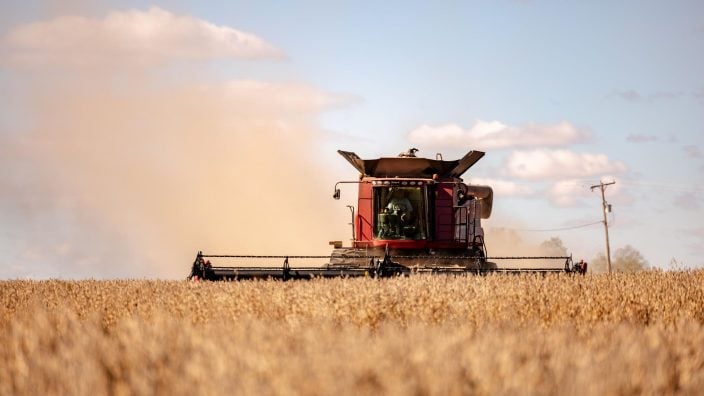
The administration recently issued an executive order easing restrictions on the use of tax-exempt dyed diesel fuel for on-road agricultural transportation.
Read More

As fuel prices skyrocket across the state, lawmakers are preparing to return to the Statehouse to vote on the temporary suspension of Ohio’s gas tax.
Read More

EPA released new guidance allowing diesel equipment manufacturers to move away from traditional DEF quality sensors and use alternative technologies, such as nitrous oxide sensors.
Read More
The plan provides a blueprint for policymakers and Ohio Farm Bureau members to bolster Ohio’s agriculture industry and our rural communities.
Read More
A recent state budget fix and a federal rule reform to H-2A have resulted in some relief for farmers who use the guest worker program.
Read More