


Fun facts about dairy cows
The dairy farmers across America send many thanks to consumers for buying milk, cheese and other dairy products!
Read MoreHello, Everyone!! I hope you all had a safe and spooky time during the Halloween festivities this fall.
I don’t know about you, but I can’t think of anything spookier than the mountain of chores that comes with changing seasons. The leaves, killing stink bugs, decorations, garden cleanup, and the list goes on and on. Days are getting shorter, so I’m here to help you get some time back on your calendar.
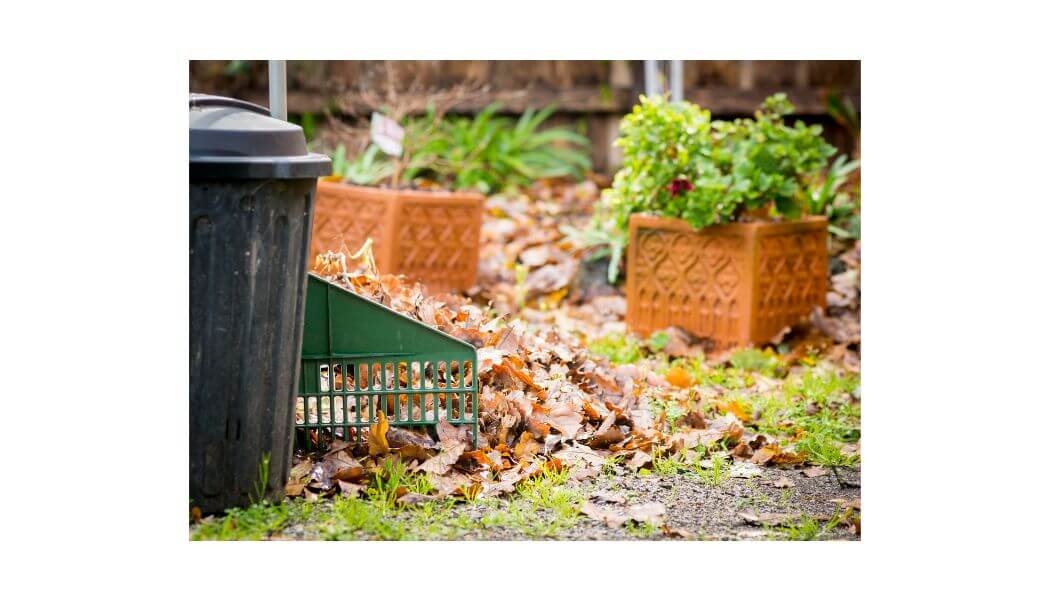
Leave the leaves
With any luck the wind will blow them over to your neighbor’s yard and you won’t have to worry about them. If you’re on the receiving end of the wind, don’t worry; the leaves are just free fertilizer for your lawn. As the leaves break down over the winter, all the nutrients stored in them will slowly return to your lawn providing a great start to your grass next year. Each ton of leaves contains approximately 20 pounds of nitrogen, which is nearly equal to 50 pounds of urea fertilizer. You can assist the breakdown process by mulching the leaves with your mower, but don’t mow over large piles. A build up of leaves on a mower deck can get hot and catch fire which can spread quickly in our dry conditions. There is really no downside to leaving the leaves in your lawn unless you find them unsightly. If you leave the leaves, your shoulder, grass, and native insects will all thank you.
Bug invasion
Speaking of bugs, it’s that time of year again that the invasive brown marmorated stink bug, Asian lady beetle and other pests invade your home. Sometimes it feels like an invasion that can’t be stopped. If there is a tiny crack in your home, they will find a way to get inside where it’s warm and cozy. Sealing every crack in your siding, foundation, windows, roof and doors is the only effective way to keep them out. Want to open your windows to enjoy the fall air? Expect a stink bug or 20 to join you. Using a vacuum is an effective way to clean them up without creating too much of a stink. Another invader that we have seen a lot of this year is the black and red box elder bug. These native insects are large (about 3/4 of an inch) and not harmful, but still a nuisance. With all these home invaders, physical removal is a safer option than insecticides indoors.
Dealing with decor
Outdoor fall decorations will start to sag and lose some of their appeal as the nights get colder. Your once upright pumpkin will get a little soft, and eventually will lose its guts. Hopefully it’s not on your porch. A compost pile is usually the best place for these decorations since you can recapture those nutrients for your garden. These “trash pumpkins,” as we affectionately call them at our house, will have all sorts of shapes, colors, and sizes. Pumpkins can cross pollinate with many squash, gourds and other cucurbits, creating a fun guessing game for what the seeds will produce next year. Just make sure you put the pumpkins in the compost before they are too saggy, you don’t want them to lose their guts when you pick it up.
Waiting for a hard frost
It seems that a lot of the fall chores try to create a cleaner environment for the winter months. This is especially true when discussing fall garden preparations. Tilling under a garden at the end of the season is akin to a period at the end of the sentence for some. Tilling under garden debris too soon can be detrimental for next season. Although we’ve had several frosts already this fall, we really haven’t yet experienced a hard frost below 28 degrees F.
These hard frost events help reduce diseases on the soil surface that remain from the growing season. If you till those diseases into the soil before a hard frost, they are safely protected 6 to 8 inches deep in the soil where it is much warmer. If you can, wait for at least a couple of hard frosts before putting your garden “to bed.”
Sometimes the best course of action is nothing at all. Leave the leaves, forget the garden, and compost the decorations. With any luck you will have more time this fall to spend with your family, watch football, go hunting, or rake the leaves into a pile for the kids to play with. Have a safe fall!
Submitted by Lee Beers, extension educator, agriculture and natural resources, the Ohio State University Extension. He can be reached by email.
OFBF Mission: Working together for Ohio farmers to advance agriculture and strengthen our communities.


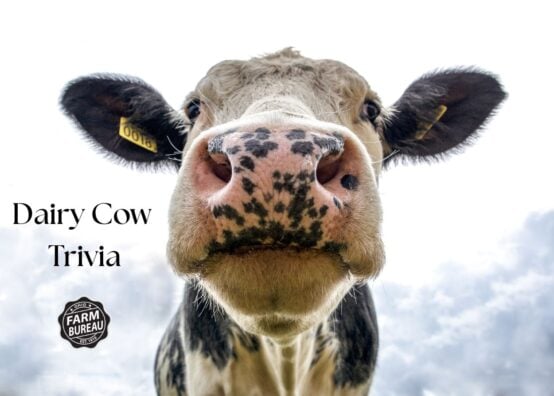
The dairy farmers across America send many thanks to consumers for buying milk, cheese and other dairy products!
Read More

Check on your kids. Check on the friend who has been unusually quiet. Check on the farmer who hasn’t been at the coffee shop lately. Check on the person who is always the strong one for everyone else.
And when someone tells you they are struggling, listen.
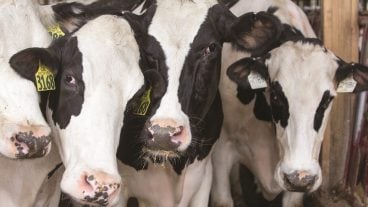

Knowing how a certain cow acts or responds can often indicate something about her health and well-being as well.
Read More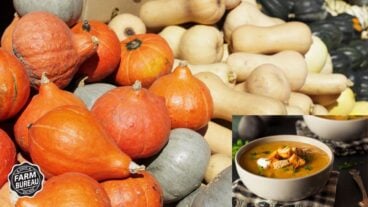
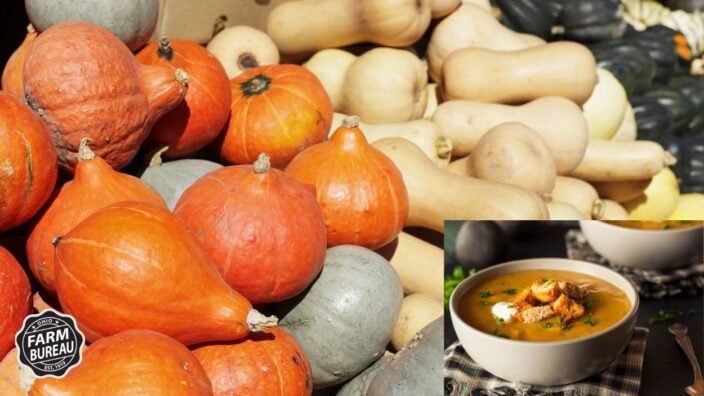
This fall, as you’re picking up a pumpkin spice latte or an apple cider doughnut, don’t forget to bring home a squash.
Read More
Preparation may not be as exciting as purchasing new equipment, but when an emergency occurs, it can be one of the best investments you ever make.
Read More
The Grange was a place to meet with and get to know your neighbors in a safe, family-friendly atmosphere.
Read More

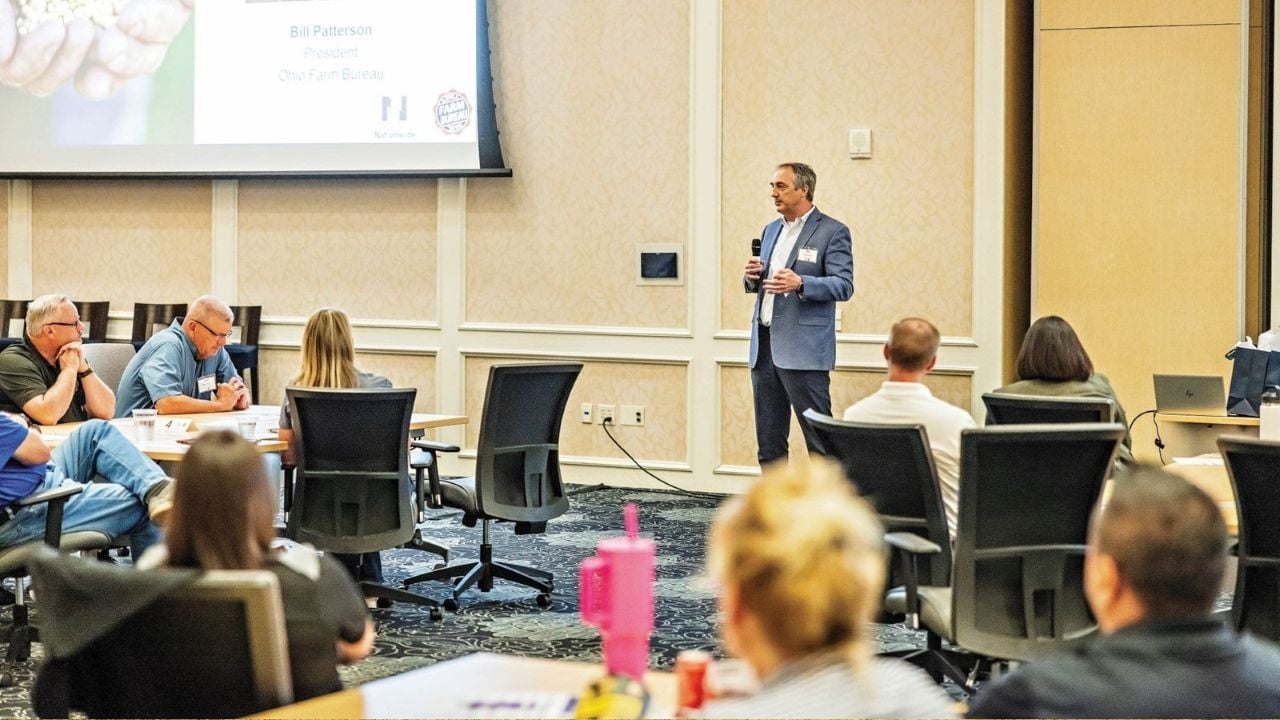
Bill Patterson of Chesterland is serving on the 2026 Ohio Farm Bureau Federation Policy Development Committee.
Read More

Marsha Stanhope of Kinsman is serving on the 2026 Ohio Farm Bureau Federation Policy Development Committee.
Read More
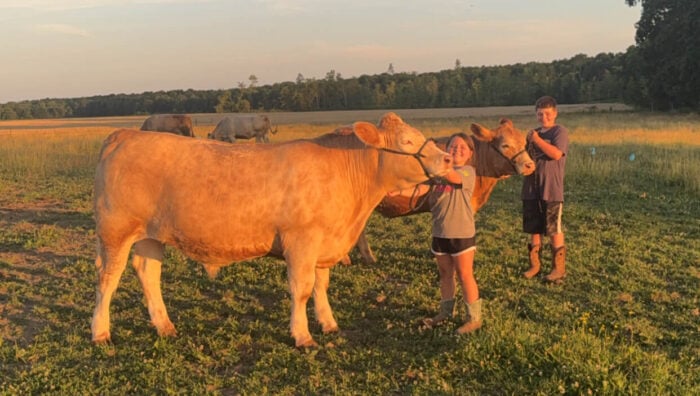
While we may walk into those barns thinking we’re raising livestock for the county fair, somewhere along the way we’re raising kids, too.
Read More
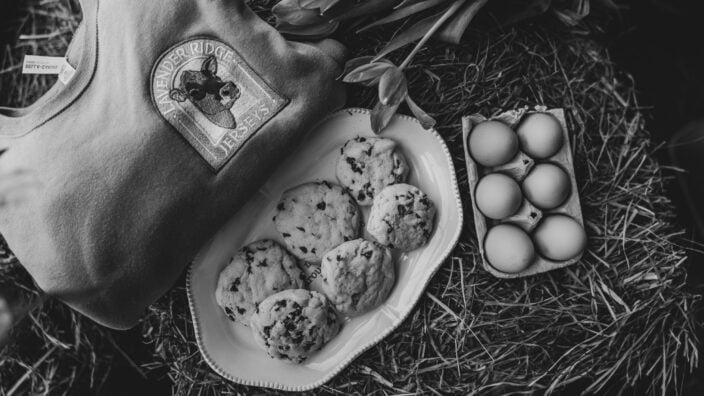
Who knew that what started as having to come up with a prefix for my first homebred Jersey would grow into such a brand and new business ventures for me.
Read More