


Ohio Farm Bureau Podcast: Water Quality: Research, Results and the Road Ahead
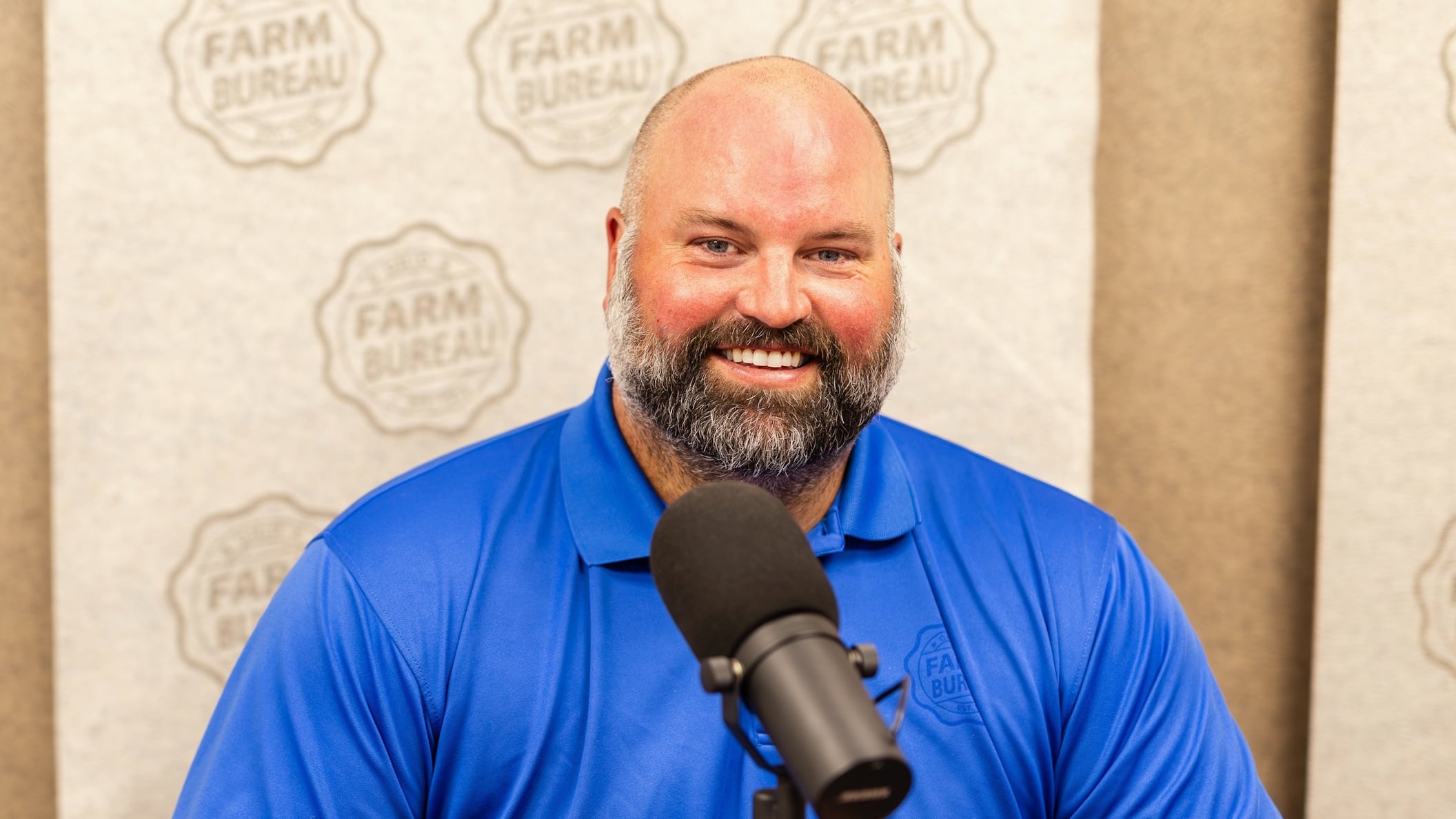
Jay Martin of Ohio State and Jordan Hoewischer join the podcast to break down the recent research and advocacy efforts helping drive that progress.
Read MoreAs the calendar turns to summer, eyes will once again turn to the Western Lake Erie Basin to monitor the severity of the inevitable algal bloom. As more research is being conducted about the various causes of the blue-green waters of the shallowest Great Lake, and results of farm conservation programs are showing positive trends, there are still many questions unanswered when it comes to the annual challenges of water quality in Lake Erie.
One of the culprits of the bloom, legacy phosphorus, is highlighted in a new series of Field Day podcasts, produced by Ohio Farm Bureau. Legacy phosphorus accumulates in soils and sediments due to past human activities, especially from agricultural fertilization and manure applications. This accumulated phosphorus can lead to persistent water quality degradation, even after changes in current fertilization practices.
“In today’s world of instant gratification, some might wonder why if a farmer has changed their nutrient management practices yesterday, why are they not seeing water quality improvements today,” said Jordan Hoewischer, host of the Field Day podcast. “We know that natural systems take time to re-adjust. From an agricultural watershed, it’s not unrealistic to have 10 to 20 years of management practices in place to ultimately see what the impact is in the stream system itself. That lag time is one that I don’t think there’s an appreciation for.”
The Field Day podcast series will include guests from the USDA Agricultural Research Service, Ohio Department of Agriculture, The Ohio State University and the University of Illinois and will focus on topics ranging from the age of phosphorus leaving farm fields, research on phosphorus hot spots, soil test levels of H2Ohio-enrolled acres, trends for dissolved reactive phosphorus in the Western Lake Erie Basin and the role that streambank erosion plays in phosphorus loading.
Find the Field Day podcast at ofb.ag/podcastseries, or wherever you listen to podcasts.
This is a news release for use by journalists. Questions should be directed to Ty Higgins, 614-246-8231 or [email protected].


Jay Martin of Ohio State and Jordan Hoewischer join the podcast to break down the recent research and advocacy efforts helping drive that progress.
Read More
Ohio EPA has recently proposed allowing data centers to obtain ‘general’ National Pollutant Discharge Elimination System (NPDES) permits for their stormwater/wastewater discharges.
Read More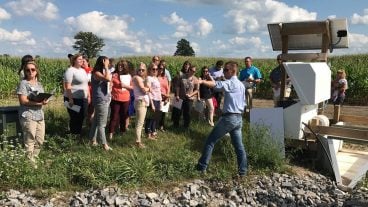
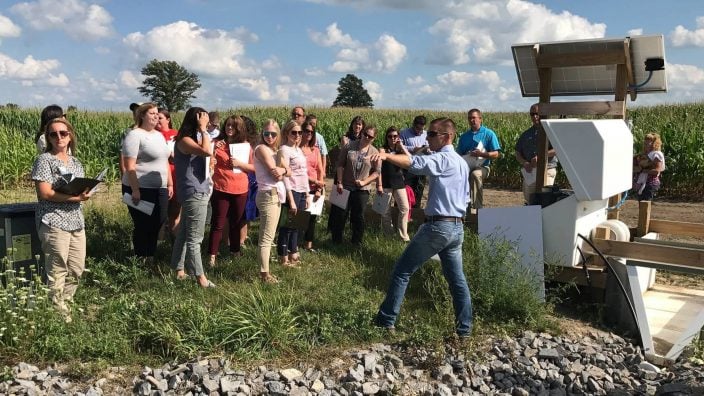
The network was established in fall 2015 on farms in Hardin and Hancock counties. Nearly 200 different tours and events took place on the three farms totaling nearly 4,000 visitors in its 10-year span.
Read More
The 2025 algal bloom for the Western Lake Erie Basin is expected to have a severity index of 3, according to the final forecast from the National Oceanic and Atmospheric Administration.
Read More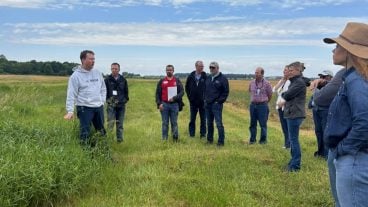
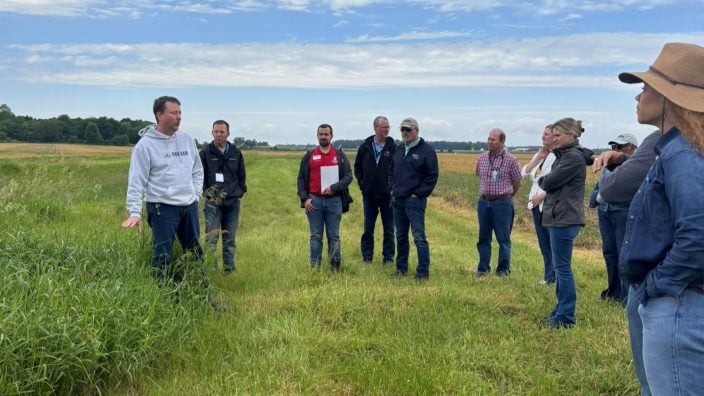
Over 30 tour participants witnessed a variety of conservation strategies in action, including cover crops, no-till and strip-till systems, two-stage ditches, land buffers and advanced manure management.
Read More
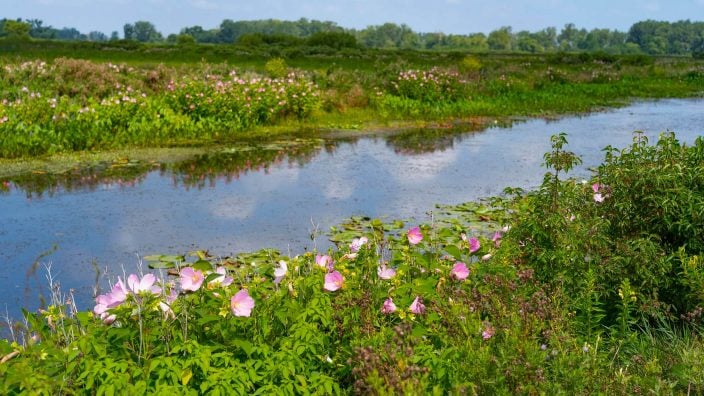
Experts are monitoring the severity of this season’s algal bloom in The Western Lake Erie Basin. As more research is…
Read More
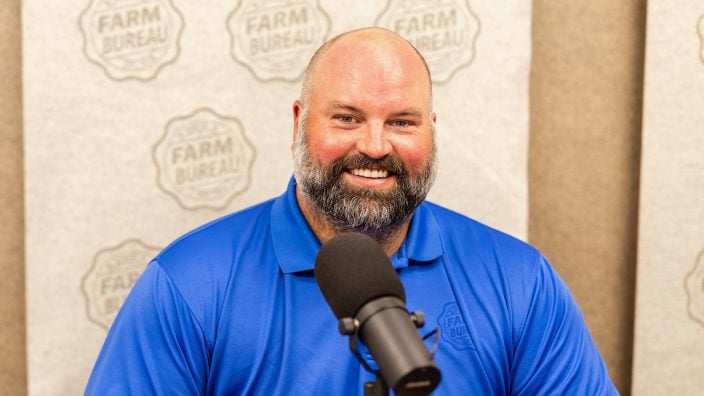
The Field Day podcast series will include guests from the USDA Agricultural Research Service, Ohio Department of Agriculture, The Ohio State University and the University of Illinois.
Read More
The plan provides a blueprint for policymakers and Ohio Farm Bureau members to bolster Ohio’s agriculture industry and our rural communities.
Read More
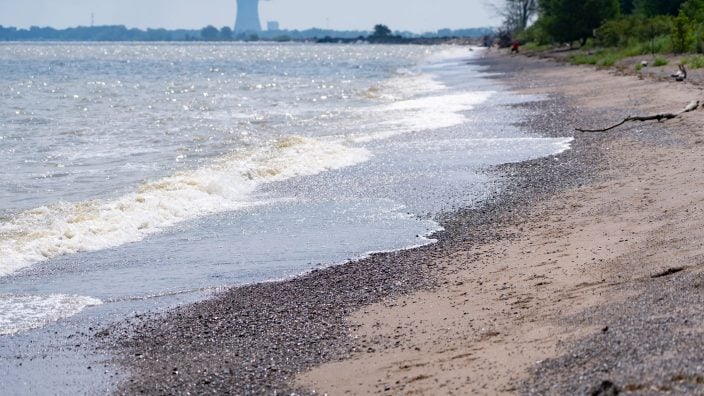
A proactive approach to water quality in Ohio is getting results without burdensome regulations.
Read More
In this Ohio Farm Bureau Podcast, key findings of the latest Ohio Agriculture Conservation Initiative Assessment Report are unveiled.
Read More