


ExploreAg opens pathways, offers clarity
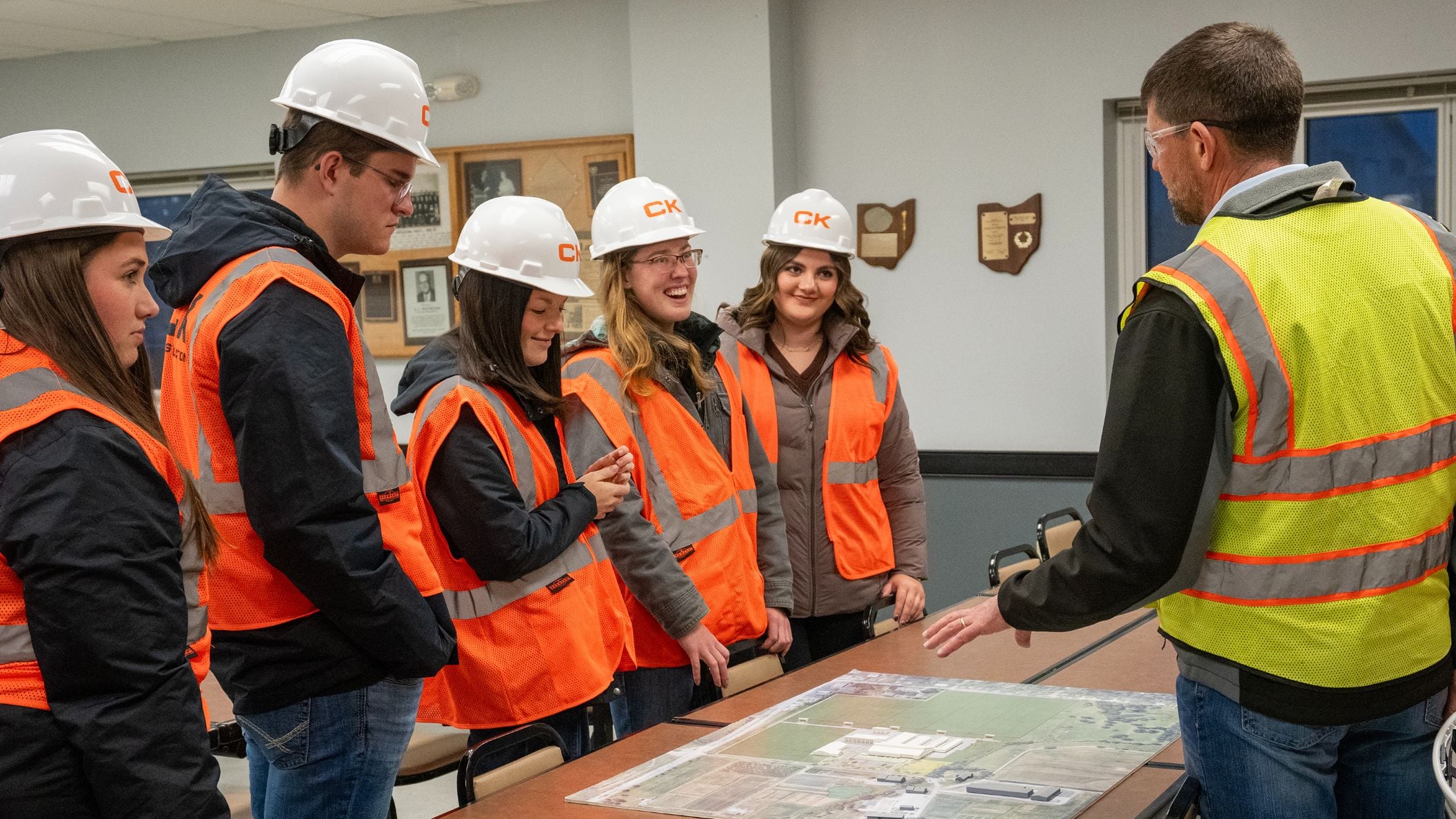
ExploreAg exposes Ohio high school students to a wide range of careers in agriculture and helps them see where they might fit.
Read MoreThe Multispecies Animal Learning Complex at Ohio State opened in January 2025, marking a significant investment in animal agriculture and public engagement.
Near downtown Columbus, Ohio’s Waterman Agriculture and Natural Resource Laboratory has completed a major renovation aimed at the future of Ohio’s livestock sector and the educating of those who rely on it.
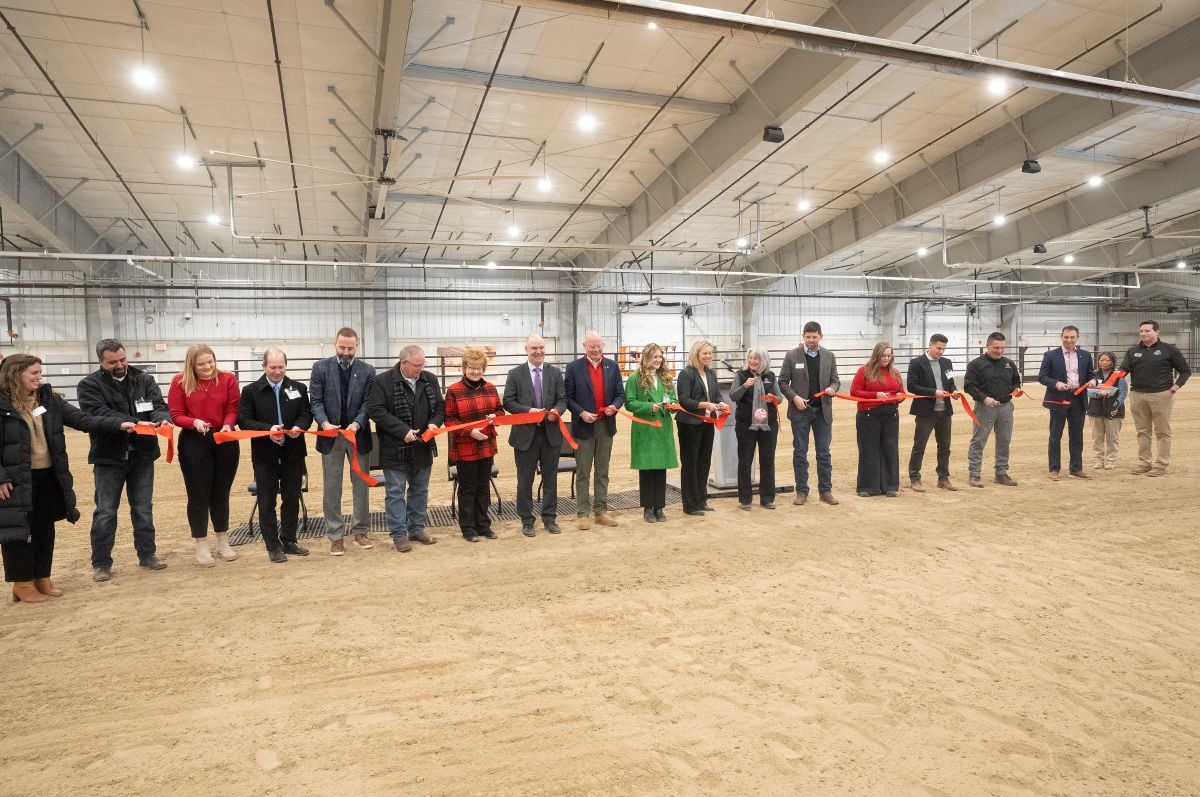
The Multispecies Animal Learning Complex (MALC) at The Ohio State University opened in January 2025 with a ribbon-cutting ceremony, marking a significant investment in animal agriculture and public engagement.
The facility includes a new livestock arena, species holding facilities, classrooms and a robotic dairy facility. Together, the upgrades represent a critical capital investment that gives Ohio a new vessel through which to bring people and animals together.
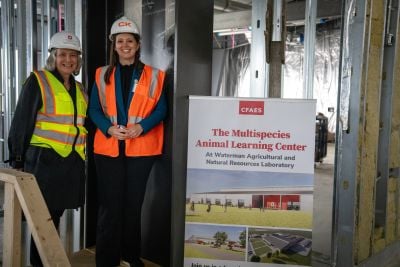
“A lot of times people see new buildings and immediately think about the research because it’s so central to our mission,” said Cathann Kress, dean of Ohio State University’s College of Food, Agricultural, and Environmental Sciences. “But one of the other things that’s really important about Waterman Lab is our ability to invite the public into the facilities and engage people in understanding more about agriculture.”
Public viewing areas inside the animal barns and interactive displays are designed to give year-round visitors a firsthand look at swine, equine, poultry and ruminant animals. The occasion also reunites Ohio’s most iconic dairy herd of 60 Jersey cattle back to Waterman Lab after 18 months of construction.
Currently, Waterman hosts approximately 25,000 visitors annually. College leaders hope that once MALC operates at full capacity, annual visitation could grow to nearly 100,000.
“To have a 261-acre farm in the heart of the 15th largest city, and the capital of the state, is
an opportunity that should not be overlooked,” said Kress.
Education lies at the core of both Farm Bureau advocacy and Ohio State’s land-grant mission.
The new site will join long-standing urban OSU Extension programs in Columbus, along with the Controlled Environment Agriculture Research Complex and Ohio State Fairgrounds.
Even as access to working farms shrinks in urban central Ohio, agricultural literacy is expanding with Ohio State as a collaborator. CFAES will partner with Ohio Farm Bureau on the new imAGine agriculture exhibit that will debut at this year’s Ohio State Fair July 29-Aug. 9 in the Ohio Agriculture Center.
“We are seeing a much-needed generational investment in Ohio’s agricultural infrastructure,” said Adam Sharp, executive vice president of the Ohio Farm Bureau Federation.
The MALC project was funded through a combination of university investment, philanthropic support from partners such as Nationwide and $10 million from the state budget—an appropriation advocated for by Ohio Farm Bureau.
“The mission and outlined plans for the facility strongly align with our organization’s priorities,” Sharp said. “The MALC will play a key role in attracting young people to stay in Ohio and achieve a hands-on education in modern livestock production.”
Many young, new, and experienced producers inspired by Waterman are Farm Bureau members, Sharp said. Their involvement helps strengthen innovation across the state, where both Farm Bureau and Ohio State share a presence.
The multispecies facility models sustainable management practices already being adopted across the state, including a new fully autonomous dairy barn, nutrient management facility and feedstock barn.
CFAES expects the barns to show and test how emerging technologies can address ongoing challenges in livestock production, including labor shortages, animal welfare concerns and the long-term viability of agriculture in Ohio.
New classrooms also will host Ohio 4-H programs, CFAES students and OSU Extension teams, expanding the Waterman’s role beyond traditional academic instruction. With new partnerships with the Columbus Zoo and COSI, Ohio State hopes to accelerate agricultural literacy and the number of visitors at Waterman.
Kress explained that direct, meaningful experiences on a working farm can inspire future participation in agriculture.
“We think that’s a real opportunity for us to recruit students and others into the dynamic workforce of agriculture and the food system,” she said.
While the facility represents a renewed investment in Ohio’s youth, its development has been decades in the making. Graham Cochran, associate dean of operations at CFAES, noted, “The college has been talking about something similar to this for almost the entire 30 years I’ve been working at Ohio State.”
Among peer institutions, this site will stand out, Cochran said, due to the number of species on the same site and the ability for teaching, research and outreach to happen simultaneously.
Within view of downtown Columbus, the CFAES’ vision for integrated animal and cropping systems is now largely complete, with the cows finally home. But planning continues.
“We do continue to dream,” Kress said. While the current renovations are finished, “part of our goal at Waterman is to always be reflecting on where Ohio agriculture is going and modeling that future.”
KEY POINTS
WHAT’S NEXT
While the Multispecies Animal Learning Complex held its grand opening in January, livestock will be introduced into the facility throughout the early spring semester.
Photos submitted by Ohio State


ExploreAg exposes Ohio high school students to a wide range of careers in agriculture and helps them see where they might fit.
Read More
How did Ohio Farm Bureau help launch your ag career? That is the central question in the March/April issue of Our Ohio magazine.
Read More
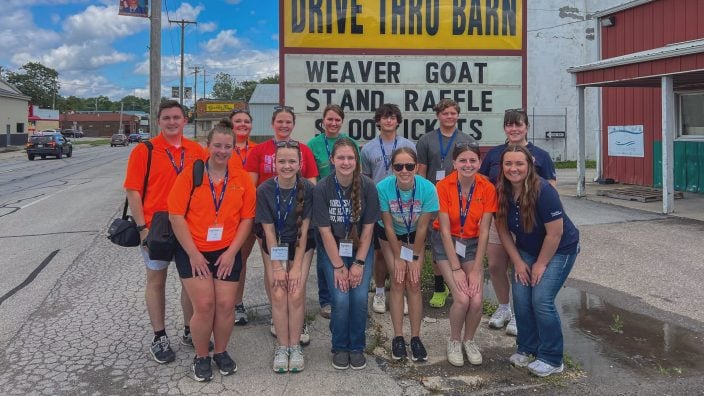
The opportunity to pay it forward is in front of all of us. Whether through giving, mentoring or staying involved, each of us has a role to play.
Read More
I am thankful to everyone in Ohio Farm Bureau who has supported me, guided me and helped me turn my passion into purpose.
Read More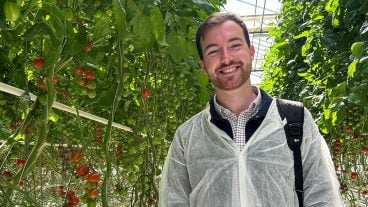
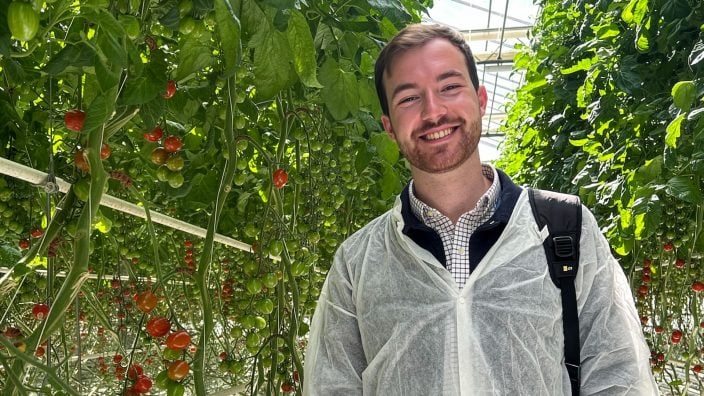
I left Ohio in 2022, but there is one reason I continue to come back—a constant pulling factor: my Ohio agriculture community.
Read More
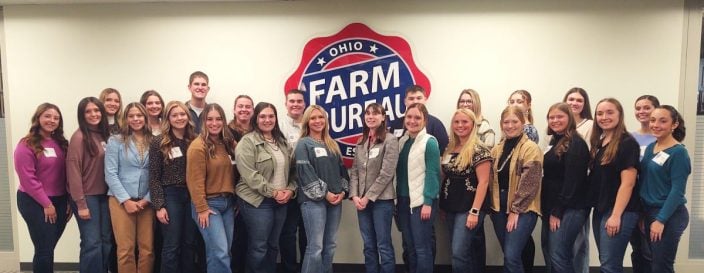
We asked each of the chapter presidents what makes their Collegiate Farm Bureau essential and unique.
Read More
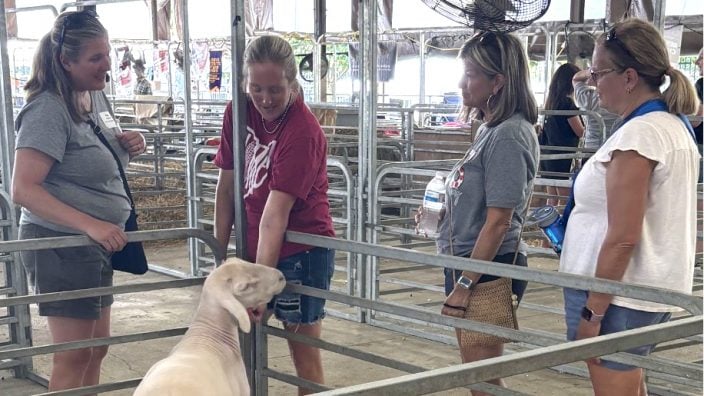
Teaching agriculture in an elementary classroom is a great opportunity to spark a love of the industry in our youngest learners and have them share that with those at home.
Read More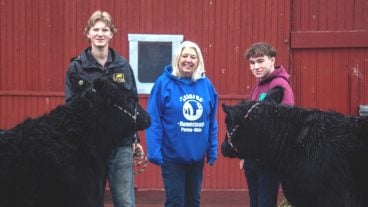
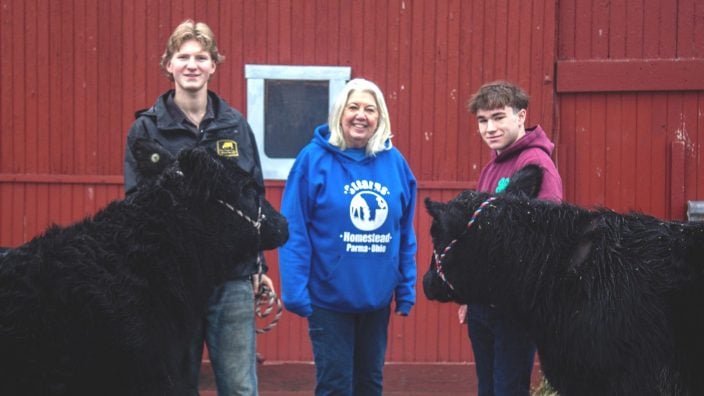
Stearns Homestead is home to one of the largest 4-H clubs in Cuyahoga County and has hosted 15,000 students for tours, becoming a learning center for youth to get up close and personal with farm animals.
Read More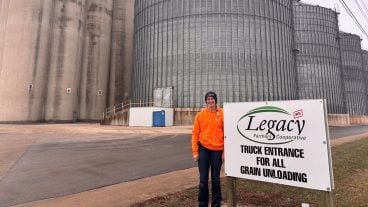
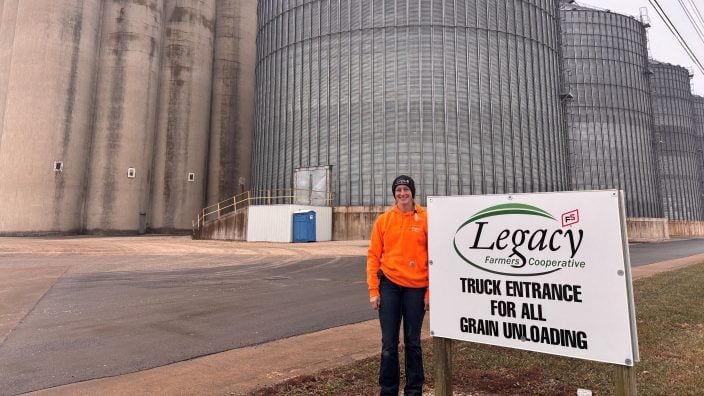
Starting with little ag industry knowledge, Cristen Cramer has embraced career growth through adaptability and learning.
Read More

The ways in which Ohio Farm Bureau has played a role in helping members launch ag careers are as varied as they are rooted in the industry.
Read More