

Applications for Ohio Farm Bureau Health Plans now available
Members have three ways to apply: contacting a certified agent, calling 833-468-4280 or visiting ohiofarmbureauhealthplans.org.
Read MoreFor many farmers, retirement is just not something they intend to do. While the average age of a U.S. farmer continues to climb and now stands at 57.5 years, health issues may force some operators to retire or semi-retire from the day-to-day farm activities earlier than intended. A large consideration facing aging farmers or ranchers is the health care options available to them and how they will pay for these services. For many Americans 65 and older, the answer is Medicare.
Individuals are entitled to Medicare so long as they are a U.S. citizen or permanent legal resident of the U.S. who has lived in the U.S. for at least five years. The program’s benefits can be great but determining the participation level to elect can be somewhat confusing.
Most farmers qualify for Part A coverage under Medicare at no out of pocket expense so long as either the individual or his or her spouse has paid Medicare taxes for at least 10 years. Care under Part A only covers inpatient hospital stays and/or a skilled nursing facility. This leaves many individuals seeking additional coverage for doctor services, outpatient care, vision, dental, hearing and potentially other care needs not covered under Part A. These additional services are generally covered though Part B and Part C of Medicare. However, unlike Part A, individuals wishing to participate in these additional coverages will be required to pay the additional premiums associated with those plans. Combined costs could be hundreds of dollars monthly and prove to be burdensome to not only the individual but potentially the farm as well.
One way to plan for these costs is to set aside funds to provide the additional level of income that will be needed to pay for these premiums. To determine the appropriate amount of funds to set aside, it is critical to determine what coverage is desired and its associated cost. Nationwide, in partnership with leading physicians and other professionals, created a tool that analyzes your personal health and lifestyle information, healthcare costs based on your region, actuarial data and medical coverage to estimate the additional costs of healthcare beyond your Medicare Part A coverage.
To learn more, register for an online learning session.


Members have three ways to apply: contacting a certified agent, calling 833-468-4280 or visiting ohiofarmbureauhealthplans.org.
Read More
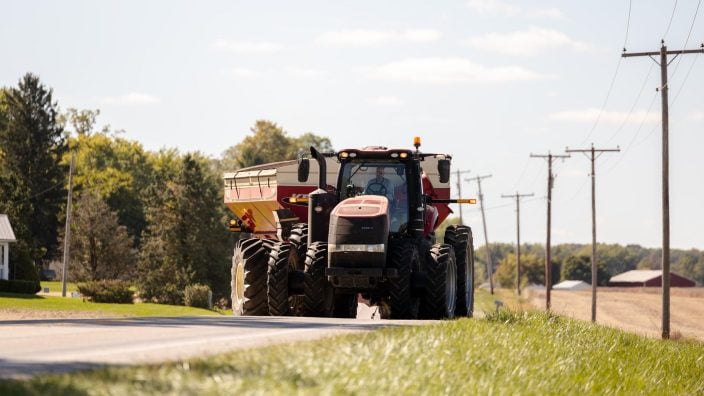
Associate General Counsel Leah Curtis breaks down changes to Ohio’s fuel tax, recent federal guidance on dyed diesel and what farmers need to know about the rules still in place.
Read More
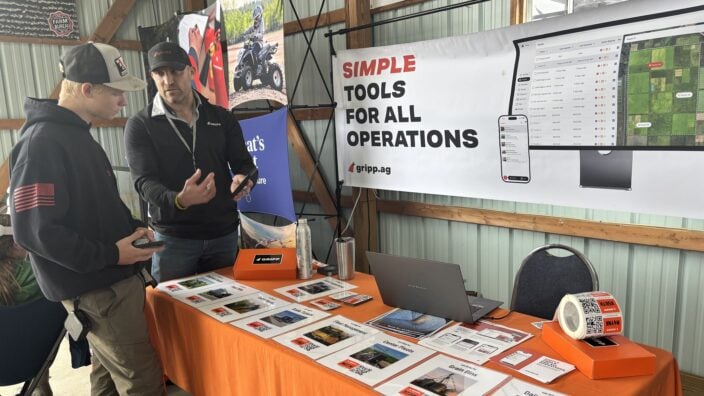
Gripp is launching a 60-day cohort in mid-January for Ohio Farm Bureau members, offering discounted access to its asset-tracking app.
Read More
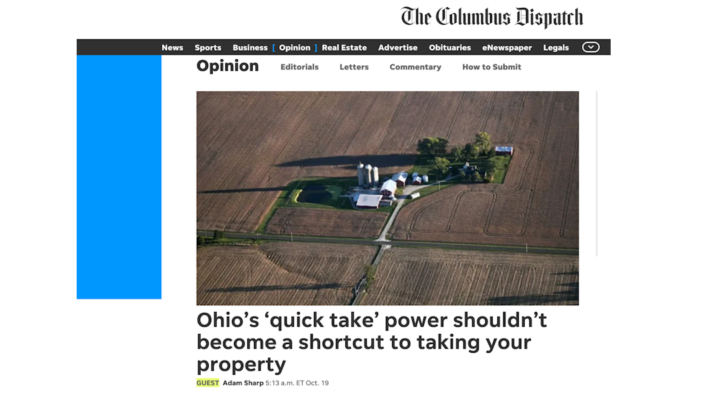
Ohio Farm Bureau recently published an op-ed in The Columbus Dispatch highlighting the importance of protecting private property rights as discussions continue around expanding eminent domain powers in Ohio.
Read More
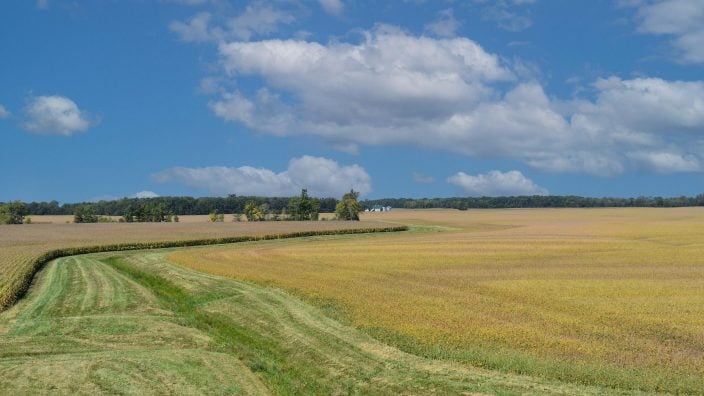
These discussions should not begin and end with a developer’s offer. Identifying family goals now gives the family something to plan around.
Read More
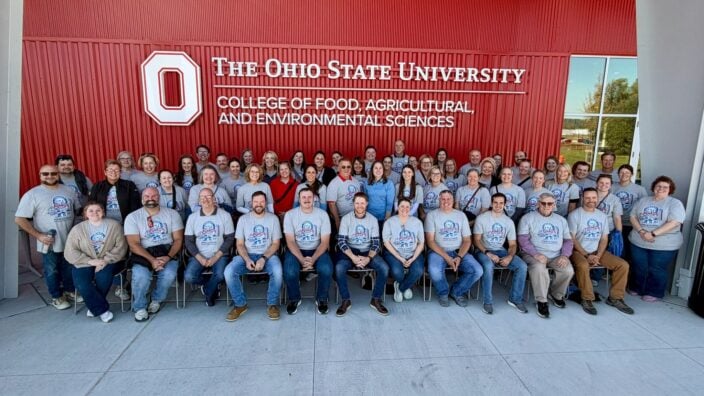
Ohio Farm Bureau joined leaders from across Ohio’s food and agriculture industry this week to pack 10,000 meals for central…
Read More
The administration recently issued an executive order easing restrictions on the use of tax-exempt dyed diesel fuel for on-road agricultural transportation.
Read More
Ohio Farm Bureau Associate General Counsel Leah Curtis explains how the eminent domain process works in Ohio, what ‘quick take’ means and when it can be used.
Read More

As fuel prices skyrocket across the state, lawmakers are preparing to return to the Statehouse to vote on the temporary suspension of Ohio’s gas tax.
Read More
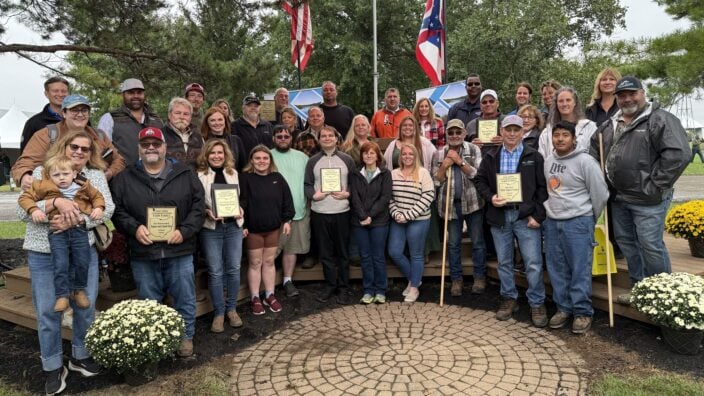
Since 1984, the Conservation Farm Family Awards program has recognized Ohio farm families for their exemplary efforts conserving soil, water, woodland, wildlife, and other natural resources.
Read More