


Applications for Ohio Farm Bureau Health Plans now available
Members have three ways to apply: contacting a certified agent, calling 833-468-4280 or visiting ohiofarmbureauhealthplans.org.
Read MorePlant it, and they will come pick the fruit.
This is what Tim and Beth Malinich discovered with elderberries, currants and other “orphan” crops they adopted and grow at their u-pick farm near Nova, in rural Ashland County. Some Hearthstone Berry Farm customers come from east of Cleveland and suburban Columbus.
“I kind of joke with Tim and say we do the ‘orphan berries,’” Beth said. “We have things that are not commonly found.”
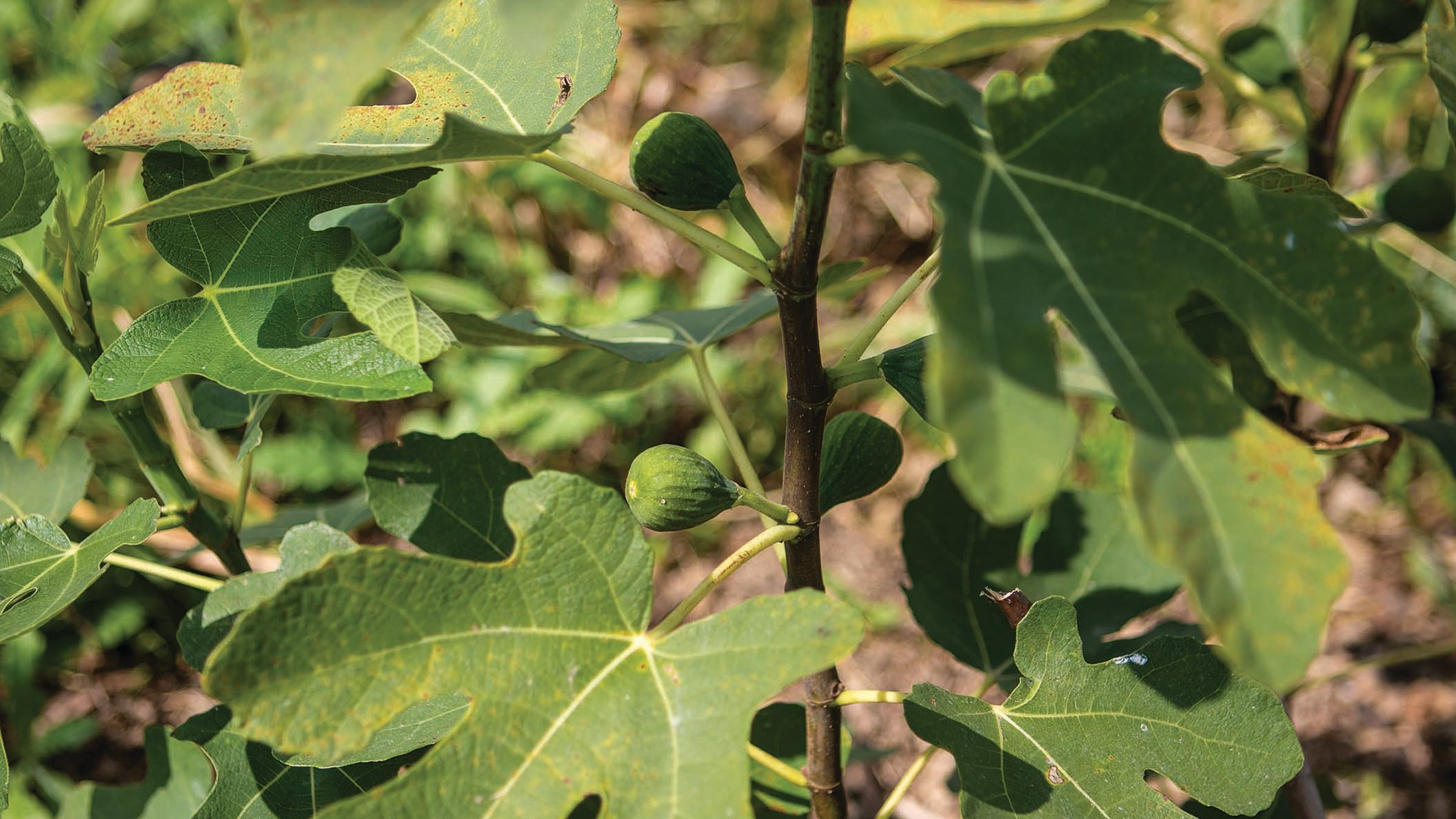
Figs could be next. Last year Tim used a SARE grant (Sustainable Agriculture Research and Education) to plant figs in two plastic-covered high and low tunnels. He hopes to determine if these warm-climate delicacies can be commercially grown as niche crops outside their comfort zone.

Dedicated home gardeners grow and harvest figs in Ohio, usually with copious winter protection. Anyone familiar with the creamy sweetness of a freshly plucked fig understands their passion.
This isn’t as quixotic as it may sound.
Tim, an Ashland County Farm Bureau member, is an assistant professor at Ohio State University and works with fruit and vegetable growers as an OSU Extension educator in Erie County. His interest in farming ignited in the early days of his career, while working as a horticulturist at the Lake County Metroparks Farmpark in Kirtland.
“I really want to do it for myself,” he said. “Unfortunately, I can’t seem to get away from the research in my hobbies, so our farm is host to crops and procedures that might be more investigative than profitable.”
Beth is a veterinarian at the Animal Hospital of Fairview Park and continues raising a few backyard chickens, a remnant of their children’s 4-H projects.
“We live in a housing development and have tolerant neighbors,” she said.
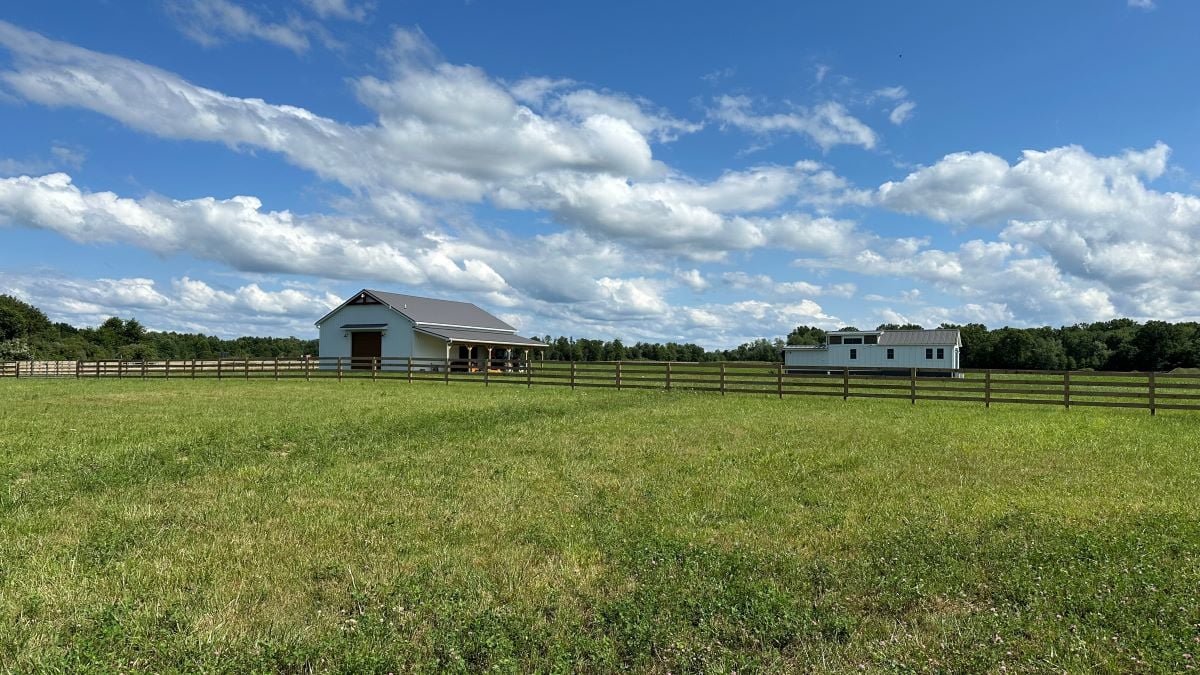
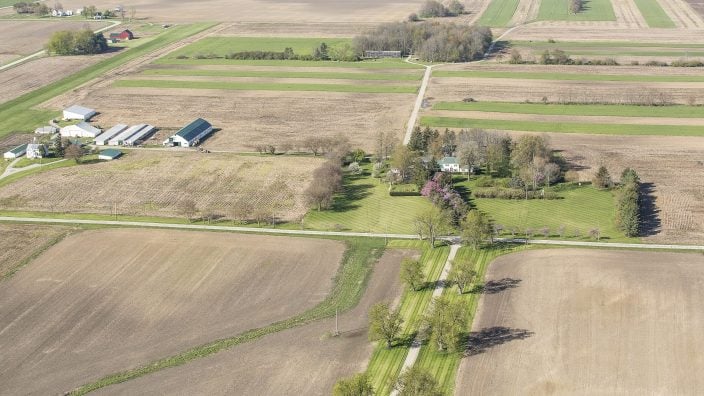
The couple’s long search for land ended when they bought a former hay farm in 2008. Besides a falling-down pole barn, there was some rotting hay. About six of the 47.7 acres have been slowly transformed into a berry farm. Tim plants, tends and does research. Beth handles Hearthstone’s Facebook page and opens the farm to pickers on her days off. It’s a part-time effort totaling less than 30 hours weekly for both.
He terms some of the fruit “hard luck cases.”
Elderberries, for instance, are fruit our grandmothers would have known, according to Beth. Many aficionados remember them from childhood. The tiny fruit aren’t eaten fresh, but transformed into jams, pies, liqueurs and wines. Herbalists have various uses for elderberries, such as cough and cold remedies, and tinctures (a plant extract). They make tea from the tiny, fragrant white flowers.
The berries are so wildly popular with birds that netting the entire planting area is a must.
Elderberries are the basis of an industry in Missouri, Tim said. He received a SARE grant in 2010 to study the possibility of production in Ohio. “We have the space to do it, and I wanted to do the research.”
Currants are the second most popular Hearthstone crop, especially appealing to people with English or eastern European heritage, Beth said.
But it’s not all orphans. Those aforementioned blackberries are third on their sales chart. The pick-your-own harvest season begins in late June to early July with currants and ends in September with blackberries and Asian pears.
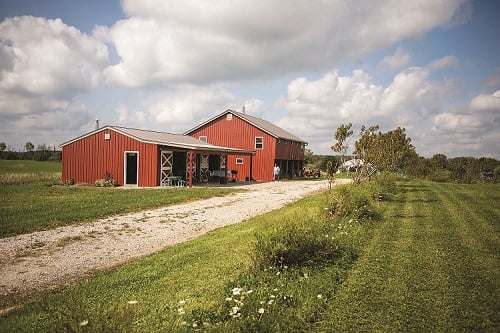
While the remote location of the farm offered affordable land, the distance can be a drawback. “It’s more weedy than we’d like,” Beth said. “It’s a 50-minute drive one way” from home.
Despite the challenges of squeezing farm work around careers, the harvest is greater than fruit and data. Beth said, “We have met a lot of wonderful people who have come out to pick from us.”
There are three 32- x 50-foot test plots at Hearthstone Farm with 16 fig trees each. One plot is in an open field; the others are split between low tunnels (about 4 feet tall) and high tunnels (about 12 feet tall).
All plants froze to the ground over last winter. Come spring, one tree survived in the open plot, 50% in the low tunnels, and 100% in the high tunnels. Those in the high tunnel were 5 feet tall in mid-September. Malinich estimates an insulated fig that didn’t freeze to the ground would be 8 to 9 feet tall with a load of fruit. Tim plans to go through another crop year and see whether a more mature plant will have a higher rate of canopy (tunnel) survival.
He said he will know after the next crop in the fall of 2020 whether this typically warm weather crop could be a viable specialty crop in Ohio.
“I plan to modify the conditions after fall 2020, providing additional protection/insulation,” he said. “That is not part of the research plan, so I will not modify the protocols until after the research is complete. With additional insulation, I am confident the survival will increase and a harvestable crop will be produced.”
However, extra effort in the winter doesn’t necessarily lend itself to a widely produced speciality crop.
“The research was to test the figs with minimal extra labor and for use of existing high tunnels that growers may be using,” he noted. “Figs can be grown with extra overwintering efforts, but that is a viable hobby option, not a likely commercial producer option.”
Photos by Bryan Rinnert



Members have three ways to apply: contacting a certified agent, calling 833-468-4280 or visiting ohiofarmbureauhealthplans.org.
Read More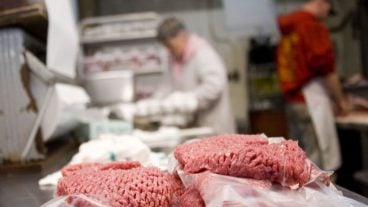
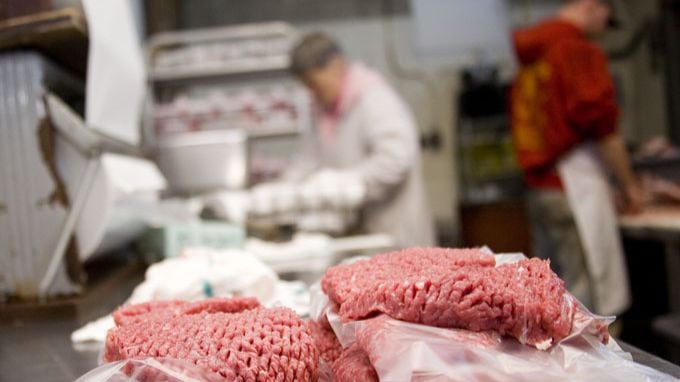
USDA is providing $60 million in support and funding opportunities for small and mid-sized meat processors across the country. Apply by Aug. 7.
Read More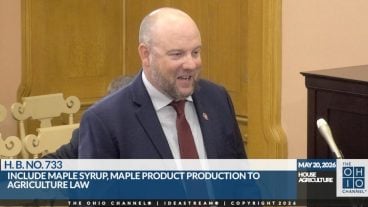
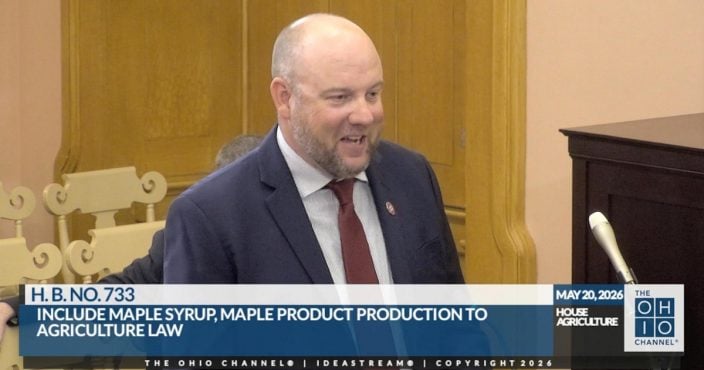
Introduced by Rep. Sarah Fowler Arthur (R-Ashtabula) and Rep. David Thomas (R-Jefferson), the bill would add trees cultivated for maple syrup production to Ohio’s statutory definition of agriculture.
Read More

Ohio Farm Bureau members receive exclusive access and discounted rates to digital tools specifically designed to maximize day-to-day productivity, simplify equipment maintenance and enhance asset protection.
Read More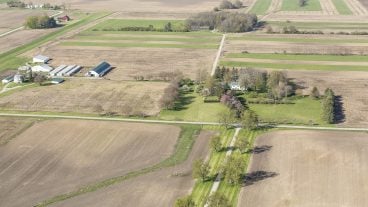
Ohio Farm Bureau shared members’ concerns about the rapid growth of data centers across the state and the long-term impacts on agriculture and rural communities.
Read More
The online application period is open now, until June 30, for those who would like to apply to be featured on the America 250-Ohio Agritourism Trail.
Read More
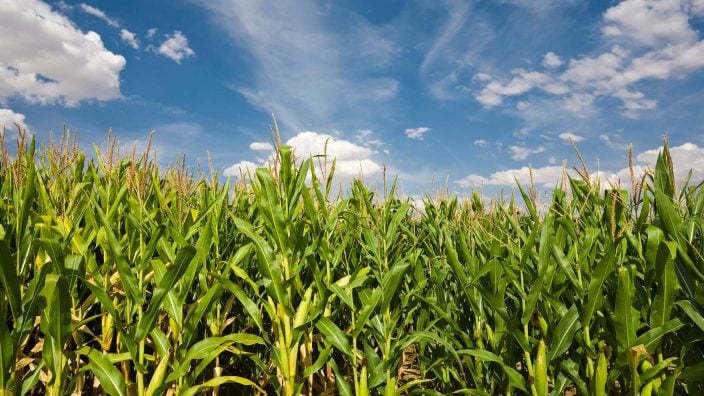
Ohio Farm Bureau testified in support of House Bill 773, legislation that would allow Ohio Turnpike travel plazas to offer E15.
Read More
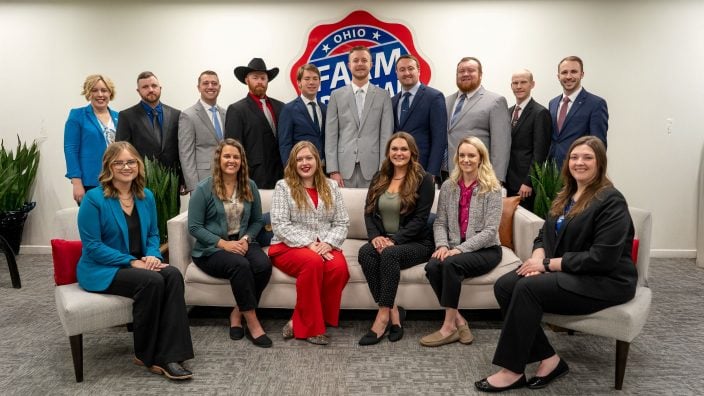
Ohio Farm Bureau is accepting applications for AgriPOWER Class XVII, its leadership and advocacy development program. Application deadline is Aug. 1, 2026.
Read More
Annually, the foundation recognizes Ohio students for their academic effort, community engagement and career interests that link agriculture to community service, education or scientific research.
Read More

Gov. Mike DeWine’s recent decision to pause consideration of any new data center tax exemption requests, through the Ohio Tax Credit Authority, comes as the Ohio General Assembly’s Joint Data Center Study Committee looks at the growth of data centers in Ohio.
Read More