


Applications for Ohio Farm Bureau Health Plans now available
Members have three ways to apply: contacting a certified agent, calling 833-468-4280 or visiting ohiofarmbureauhealthplans.org.
Read MoreMary Fleming learned long ago to be prepared for just about anything as a rural nurse. But like others who provide medical care for farmers in rural America, she takes the challenges in stride.
Can’t drive her car down a snowy country lane to see a patient? She parks at the end of the lane, grabs her supplies and hikes down to the woman’s house.
Chased by an unexpectedly unleashed dog after a home visit? She races to her car and slams the door just in time.
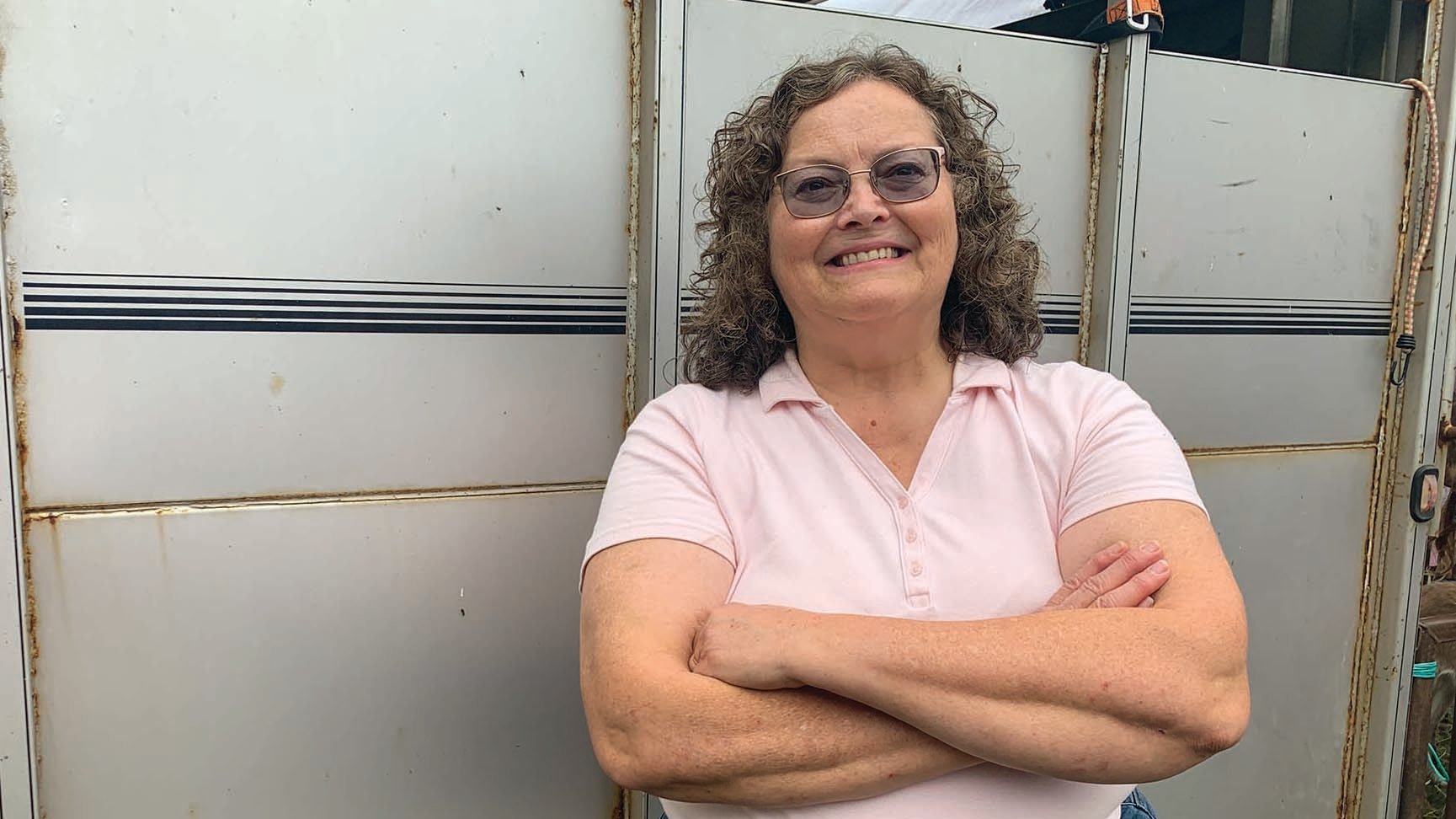
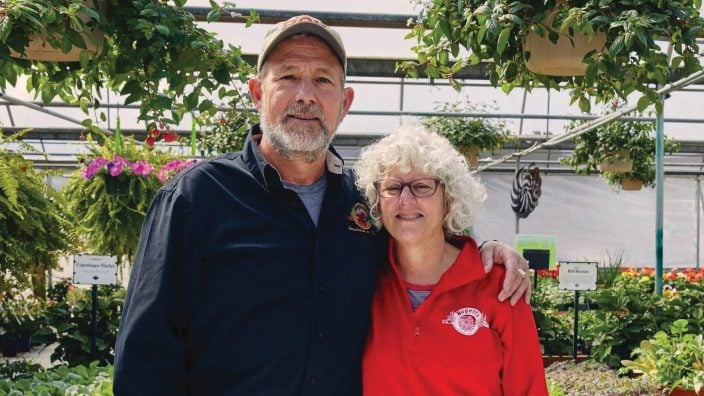
Fleming knows farms; she grew up on a livestock and crop farm in Delaware County, married a farmer and still farms with her husband, Robert, on their farm in Delaware County where they are members of the county Farm Bureau. She has plenty of insight into what farm families face when it comes to healthcare in Ohio, where 20% of the state’s 11.7 million residents live in rural areas.
“A lot of visits to rural patients are for people who just can’t get to a doctor as often as needed,” she said.
Two healthcare problems rural residents face are distance and transportation, often living far from doctor’s offices, hospitals and medical clinics. Rural residents don’t have access to public transit like urban residents do, according to the Rural Health Information Hub, a clearinghouse for rural health funded by the Federal Office of Rural Health Policy.
Rural areas, it points out, often have more elderly residents with chronic health conditions, more residents without health care and fewer places to obtain low-cost health care services. And many rural areas have a shortage of health professionals.
“Nationally, 20% of our population lives in rural areas but rural communities are much more likely to say they have fair to poor health care,” said Audrey Snyder, president of the Rural Nurse Organization. Telehealth can help, she noted, but sometimes isn’t accessible because rural areas don’t always have the necessary Internet connection speeds.
All these issues compound the importance of rural nurses, who Snyder said typically are adaptable, flexible, able to think on their feet and feel comfortable in a community where everyone’s lives are close knit.
“You know your patients, and that can be good and bad,” said PJ Guthrie, who’s been a rural nurse for 26 years in southeastern Ohio. On one hand, she’s found that rural residents often prefer to be treated by someone they know. On the other hand, sometimes they’re hesitant to seek care because their health care provider knows them so well, said Guthrie, who’s studying to be a psychiatric mental health nurse practitioner at Ohio University.
Fleming, too, has been on the front lines of rural medicine for decades, working as a floor nurse at Grady Memorial Hospital in Delaware, training new nurses there and managing grant-funded projects to improve rural health. One campaign, in 1991, encouraged rural residents to get tetanus vaccinations after a Delaware woman who contracted tetanus from a splinter died.
“We realized a lot of rural people were not vaccinated and weren’t keeping up with their vaccinations,” Fleming said. Within a year, the percentage of adults who received tetanus vaccinations from the county health department shot up.
Through other projects Fleming documented illnesses, injuries and deaths among farmers in a six-county region and researched ways to reduce them. One was to distribute first aid kits to farms; another was to train fire personnel in agricultural accident rescues.
“Historically, agriculture has been one of the most dangerous occupations,” Fleming said. “We looked at what we can organize communitywide to reduce the fatality and disease rate and to make substantial changes to reduce the injury rates.”
When funding for the grant programs ran out, Fleming worked as a home-care nurse for seven years, driving to remote houses to change wound dressings, make cardiac assessments, monitor pain medications and check on knee-replacement patients.
Another important role rural nurses play is education. Fleming has given presentations for years about agricultural safety and continues that work. Guthrie said rural nurses often are called upon to link patients with additional resources, a job that in urban areas usually falls to others.
“You’re the patient’s person that they trust and come to for help,” she said. “Rural nurses wear more hats.”
Despite the challenges, many nurses prefer their jobs on the front lines of rural America.
“The idea that every day is going to be different and there’s a lot of variety entices some people to work in that environment. You’re constantly learning,” said Snyder, who’s been a nurse since 1988. “And there’s something to be said for fresh air and sunshine and raising your own children in a rural environment.”



Members have three ways to apply: contacting a certified agent, calling 833-468-4280 or visiting ohiofarmbureauhealthplans.org.
Read More
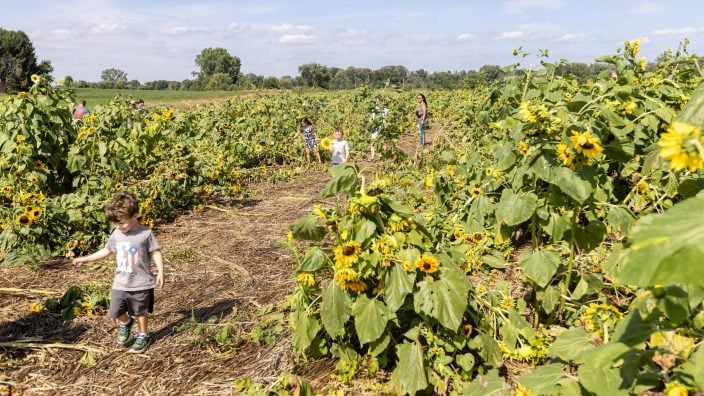
The online application period is open now, until June 30, for those who would like to apply to be featured on the America 250-Ohio Agritourism Trail.
Read More
Ohio Farm Bureau testified in support of House Bill 773, legislation that would allow Ohio Turnpike travel plazas to offer E15.
Read More
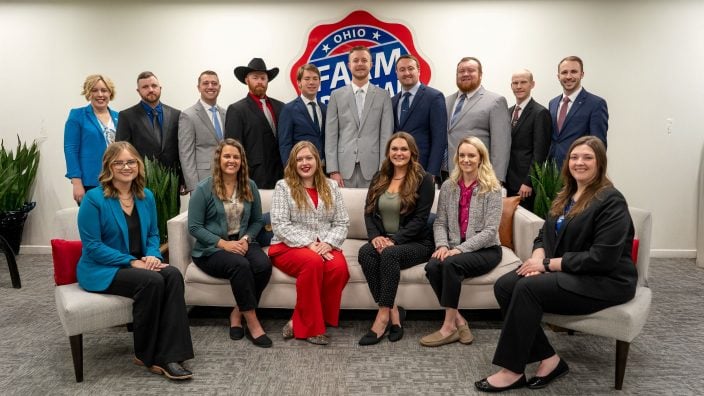
Ohio Farm Bureau is accepting applications for AgriPOWER Class XVII, its leadership and advocacy development program. Application deadline is Aug. 1, 2026.
Read More
Annually, the foundation recognizes Ohio students for their academic effort, community engagement and career interests that link agriculture to community service, education or scientific research.
Read More

Gov. Mike DeWine’s recent decision to pause consideration of any new data center tax exemption requests, through the Ohio Tax Credit Authority, comes as the Ohio General Assembly’s Joint Data Center Study Committee looks at the growth of data centers in Ohio.
Read More
Farm Bureau members are invited to participate June 1-7 in American Farm Bureau’s Summer Cookout Survey of retail food prices commonly used to prepare a cookout meal for 10 people.
Read More
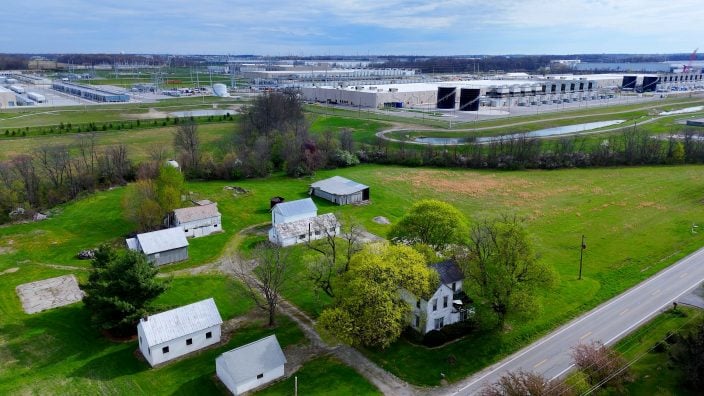
Ohio’s electric distribution cooperatives will continue to support local economic growth, and that includes data centers that locate within their territories, but they’re committed to ensuring that growth does not come at the expense of current members.
Read More
Industry professionals, community members, and golf enthusiasts are invited to take part in the 2026 Ohio Farm Bureau Foundation Golf Invitational June 22 at Pinnacle Golf Club in Grove City.
Read More
Growing our Generation e-newsletter features insights and ideas directly from Ohio’s young farmers and agricultural professionals. Sign up to get…
Read More