

Applications for Ohio Farm Bureau Health Plans now available
Members have three ways to apply: contacting a certified agent, calling 833-468-4280 or visiting ohiofarmbureauhealthplans.org.
Read MoreJudicial elections, and the candidates running in them, continue to be a mystery to Ohio voters. A majority of Ohio voters say that they skip voting in judicial elections because they do not know enough about the candidates. This is alarming, considering that the judiciary is integral to the working of our government as the third co-equal branch. In 2020, Ohio voters in every county will elect judges for county and common pleas courts, all 12 courts of appeals districts, and two seats on the Ohio Supreme Court. These judges affect the lives of Ohioans in many ways, from their main role of interpreting the law, to more routine functions like traffic citations and estate administration.
Judicial races often do not have the same amount of publicity as the other races on the ballot, tied in part to more stringent fundraising limitations. And, unlike candidates for political offices, judicial candidates are bound by a code of ethics enforced by the legal profession.
In 2020, Ohio voters in every county will elect judges for county and common pleas courts, all 12 courts of appeals districts, and two seats on the Ohio Supreme Court.
Before you step into the voting booth, take some time to familiarize yourself with what judicial seats you will be voting on and the candidates running. Then, do some research on those candidates just like you would for any other race:
One struggle voters often have with judicial candidates is a lack of clear positions on specific issues. Voters may wonder where judges personally stand on specific issues like eminent domain or school funding, and may be frustrated that the candidates are not giving an answer to those types of questions. However, this is an important part of having a fair and impartial judicial system. Judges are prohibited from commenting on cases and controversies that may come before them, because it is their job to apply the law based on the facts at hand, regardless of their personal or political beliefs. Instead of specific issue positions, voters can ask judicial candidates about their judicial philosophy, or how the judge views different aspects of the law and decision-making.
A fair and impartial judiciary is a cornerstone of our government and a hallmark of our free society. As voters, it is our responsibility to look beyond the outcome and consider whether a judge had sound reasoning, based in law and fact, to bring about that decision.


Members have three ways to apply: contacting a certified agent, calling 833-468-4280 or visiting ohiofarmbureauhealthplans.org.
Read More
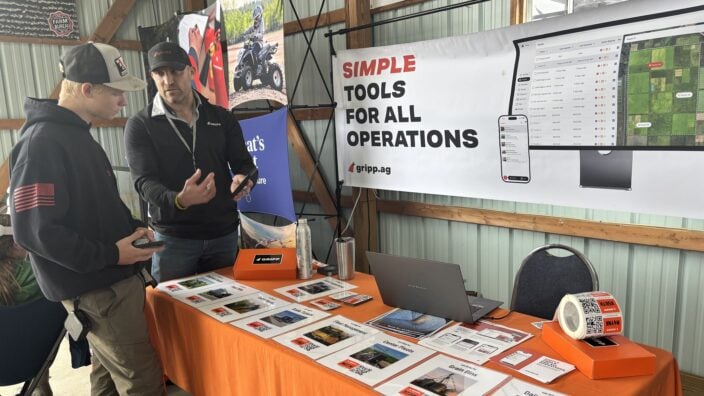
Gripp is launching a 60-day cohort in mid-January for Ohio Farm Bureau members, offering discounted access to its asset-tracking app.
Read More
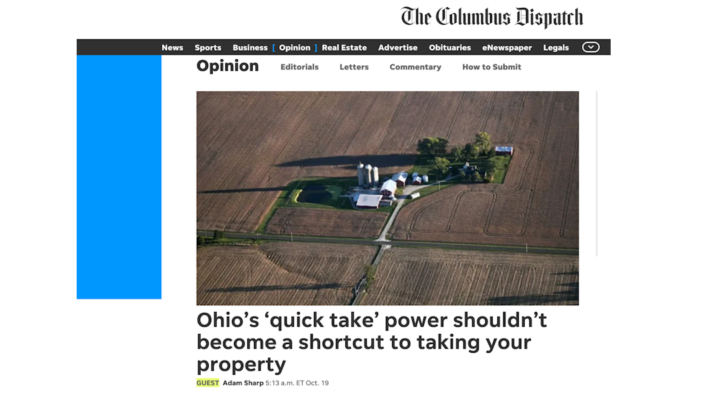
Ohio Farm Bureau recently published an op-ed in The Columbus Dispatch highlighting the importance of protecting private property rights as discussions continue around expanding eminent domain powers in Ohio.
Read More
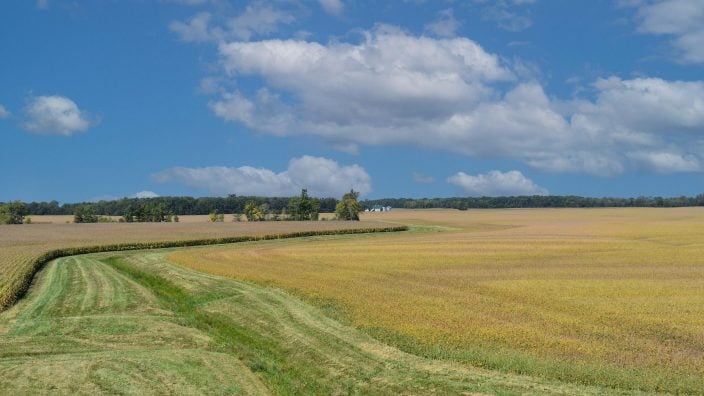
These discussions should not begin and end with a developer’s offer. Identifying family goals now gives the family something to plan around.
Read More
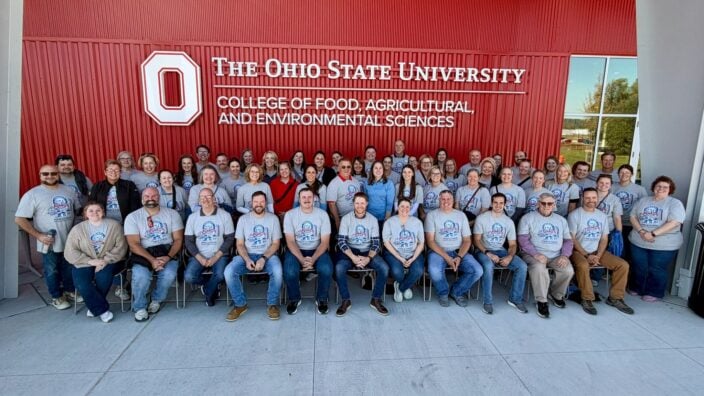
Ohio Farm Bureau joined leaders from across Ohio’s food and agriculture industry this week to pack 10,000 meals for central…
Read More
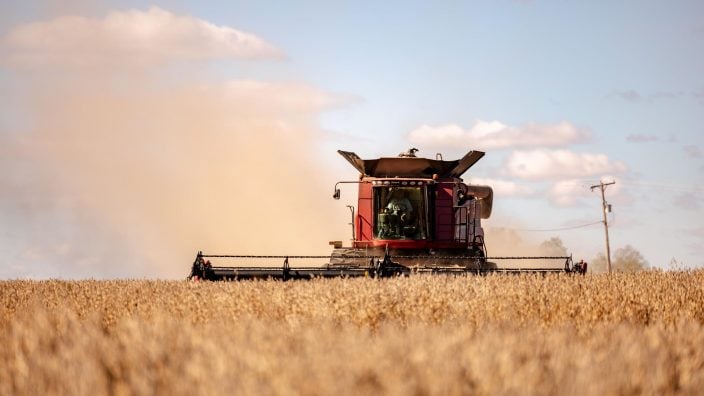
The administration recently issued an executive order easing restrictions on the use of tax-exempt dyed diesel fuel for on-road agricultural transportation.
Read More
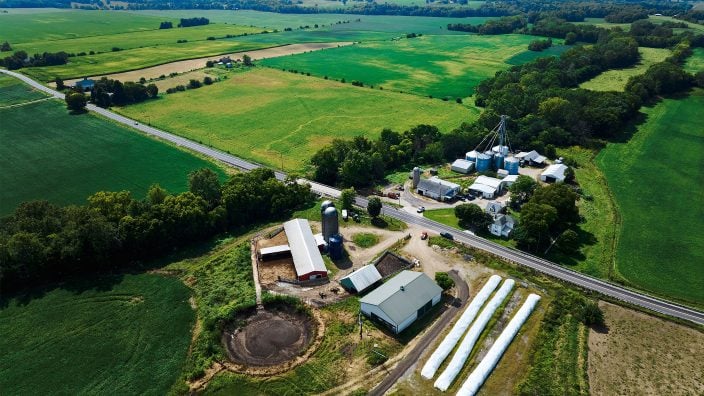
Ohio Farm Bureau Associate General Counsel Leah Curtis explains how the eminent domain process works in Ohio, what ‘quick take’ means and when it can be used.
Read More
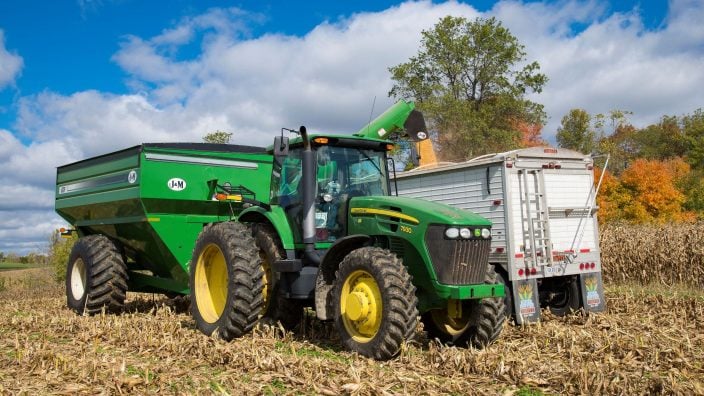
As fuel prices skyrocket across the state, lawmakers are preparing to return to the Statehouse to vote on the temporary suspension of Ohio’s gas tax.
Read More
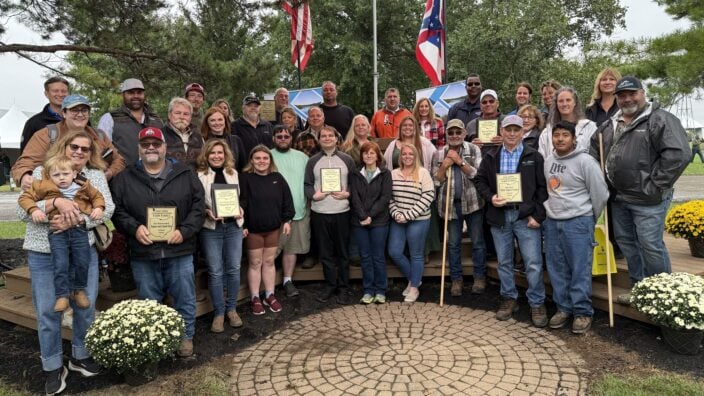
Since 1984, the Conservation Farm Family Awards program has recognized Ohio farm families for their exemplary efforts conserving soil, water, woodland, wildlife, and other natural resources.
Read More
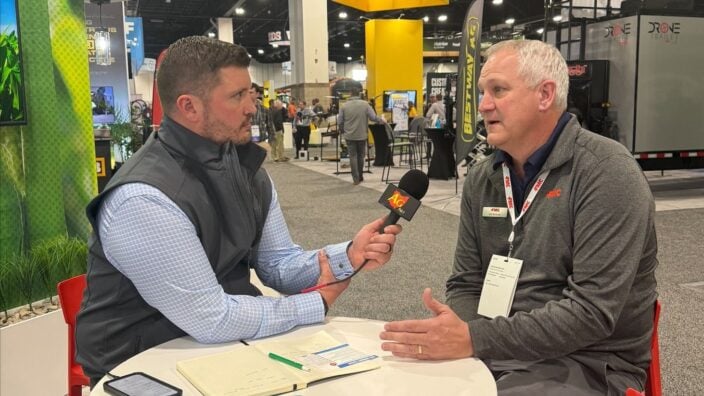
Meet Joe Everett, a Shelby County Farm Bureau Young Ag Professional who has dedicated his life to service, both in uniform and within his local community.
Read More