

Field Day Podcast with Jordan Hoewischer: Ep. 46 Jay Martin
Jay Martin discusses his Pilot Watershed Project in the Western Lake Erie Basin. He is a professor of Ecological Engineering at The Ohio State University.
Read MoreSeveral farmers in northwest Ohio are using funding from the H2Ohio water quality initiative to implement subsurface nutrient placement on their farms.
Blanchard River Demonstration Farms Network has released a new video series that features several farmers in northwest Ohio who are using funding from the H2Ohio water quality initiative to implement subsurface nutrient placement on their farms.
Subsurface nutrient placement is the method of putting essential crop nutrients like nitrogen, phosphorus and potassium below the soil surface in the root zone available for plants to uptake. Subsurface placement of nitrogen and phosphorus is considered a best management practice (BMP) that protects surface water quality by dramatically decreasing nutrient runoff potential.
Jan Layman farms over 5,000 acres of corn and soybeans in Hardin County and practices continuous no-till. He has always done subsurface placement for nitrogen, but through the H2Ohio program he became interested in doing that practice with phosphorus as well.
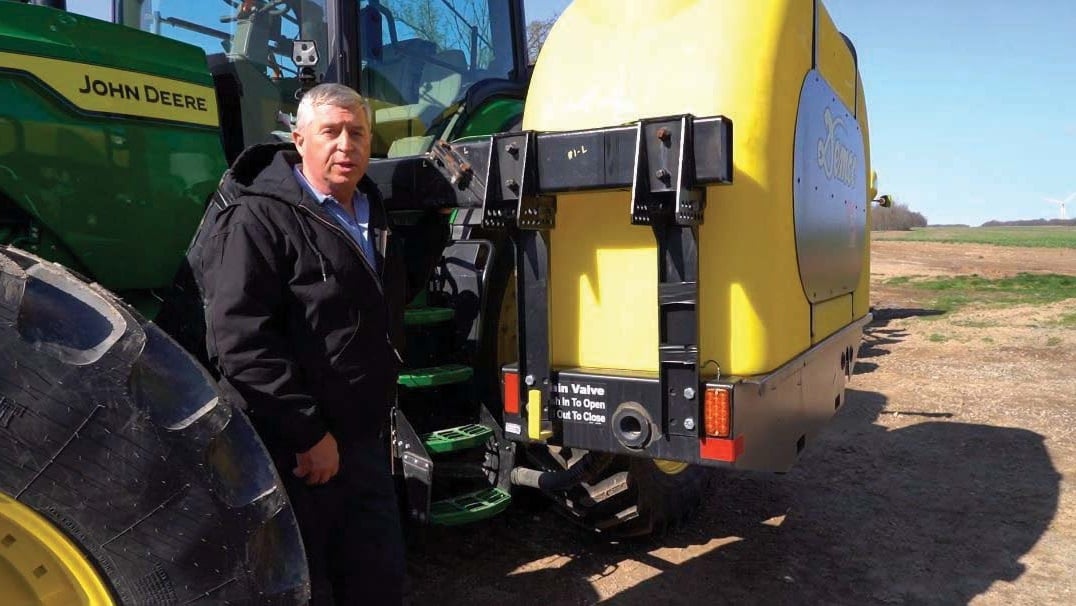
“After a lot of studying it looked to me like the least expensive way and maybe the most efficient way is to utilize our sidedress machine when we are already making a pass through the field,” Layman said. “We have some large saddle tanks that we use for additional capacity on our corn planting tractors, so we incorporated those.”
Layman puts a starter fertilizer in the saddle tanks and puts the nitrogen in the applicator tanks. After adding another set of plumbing, another pump and some controls, the cost of the modification totaled around $20,000. In comparison, buying all new equipment to do the same job would have been closer to $200,000 to $300,000, according to Layman.
“We did about 3,000 acres of corn with this machine last year and I want to say we only used about 12,000 gallons of 10-34-0 in the sidedress, so we are using way less nutrients,” Layman said. “We’re just always trying to do the right thing.”
Kevin Thierry is also taking part in H2Ohio to update his nutrient management practices on his Henry and Fulton County farms.
“I’ve always liked the concept of strip tillage and putting fertilizer in the ground right underneath the plant where it needs it instead of being spread out and just hope the plant can find it,” Thierry said. “I’ve got a lot of different varying soil types and sometimes your root systems just can’t reach the fertilizer that easily, so if you put it in a spot that is easy for them to reach, all the better.”
The fertilizer component of Thierry’s strip till unit includes a delivery system from Lynx Ag that contains potash in one box and phosphorus in another. The back of the implement is a combination of two Unverferth ripper strippers that were 6-row, 30-inch units that he made into 12-row, 20-inch units. The machine uses grid-sampling rate controller technology.
For Thierry, this machine gives him the best of both worlds because he has the opportunity to do some tillage while clearing the soil of debris and creating a nice, raised mound so he gets the effect of tillage with only one pass.
“I truly think this is the right way to go, but to expect farmers to go out and spend an enormous amount per acre on a piece of equipment is not realistic,” Thierry said. “It was H2Ohio that really allowed this to happen.”
To find out more about H2Ohio and what funding may be available in your area to add or enhance your water quality best management practices, visit one of the Soil and Water Conservation Districts in the 24 eligible counties of the Western Lake Erie Basin.
Watch these two units in action and watch the complete series of videos.


Jay Martin discusses his Pilot Watershed Project in the Western Lake Erie Basin. He is a professor of Ecological Engineering at The Ohio State University.
Read More
Chris Winslow from Ohio Sea Grant and Stone Laboratory discusses the status of Lake Erie, legacy phosphorus and other topics as well.
Read More
Aaron Wilson from Ohio State University and the Byrd Polar and Climate Research Center talks about short and long-term weather and climate trends and how the super El Niño will affect our region.
Read More
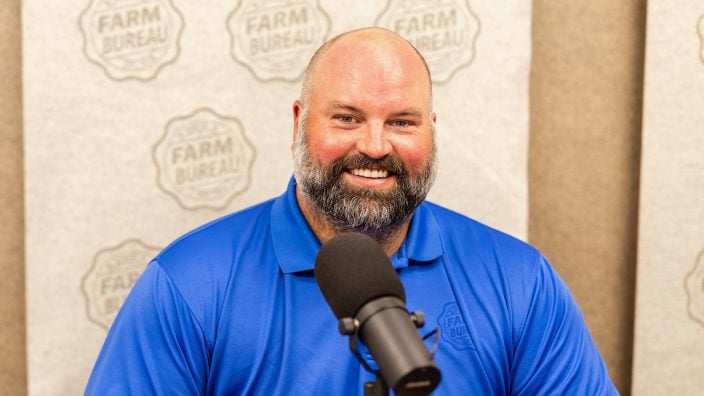
Jordan Howeischer, Ohio Farm Bureau director of water quality and research, provides some history on water quality in Ohio and what the industry has accomplished since the 2014 Toledo Water shutdown.
Read More

In response to an editorial published in Toledo Blade, Ohio Farm Bureau sent a letter sharing the decades-long commitment to conservation by Ohio farmers.
Read More
The report provides insight into measurable progress in conservation practices and Ohio farmers’ continued commitment to water quality.
Read More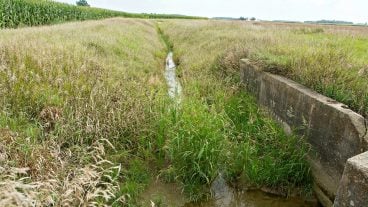
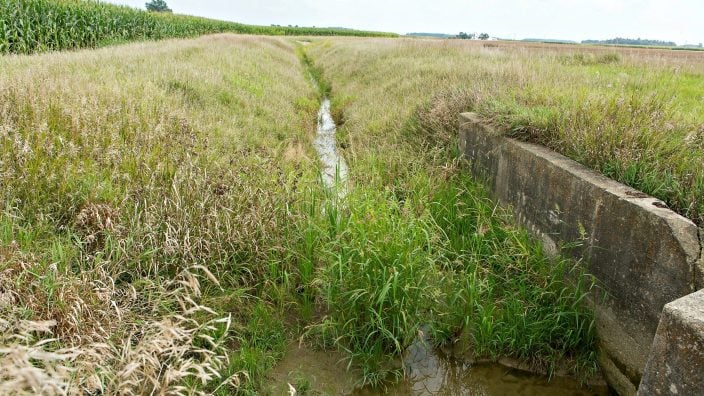
The report provides a data-driven look at conservation practices across the Western Lake Erie Basin and emphasizes farmers are doing their part in water quality.
Read More
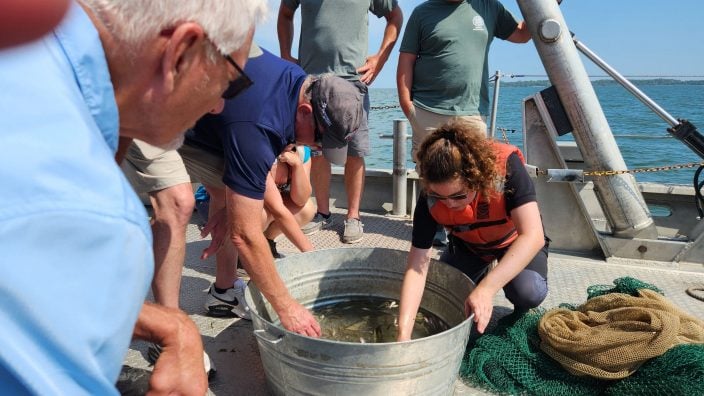
Jay Martin of Ohio State and Jordan Hoewischer join the podcast to break down the recent research and advocacy efforts helping drive that progress.
Read More
Ohio EPA has recently proposed allowing data centers to obtain ‘general’ National Pollutant Discharge Elimination System (NPDES) permits for their stormwater/wastewater discharges.
Read More
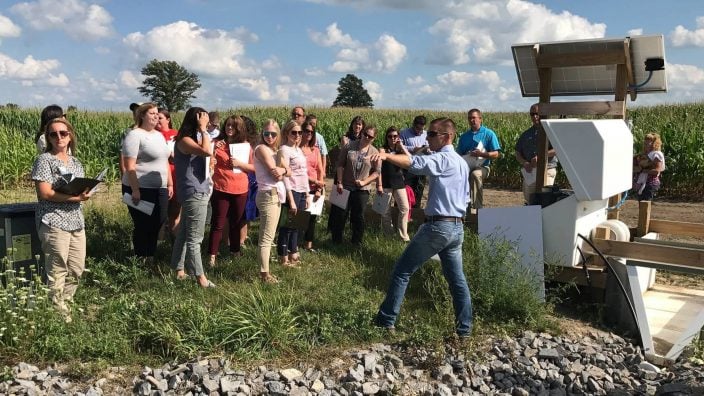
The network was established in fall 2015 on farms in Hardin and Hancock counties. Nearly 200 different tours and events took place on the three farms totaling nearly 4,000 visitors in its 10-year span.
Read More