

Applications for Ohio Farm Bureau Health Plans now available
Members have three ways to apply: contacting a certified agent, calling 833-468-4280 or visiting ohiofarmbureauhealthplans.org.
Read MoreUnderstanding the Current Agricultural Use Value program and proper forestry management could lead to increased profits and sustainable land use.
Ohio is home to a growing forestry industry, and for farmers in northwest Ohio, understanding the Current Agricultural Use Value program and proper forestry management could lead to increased profits and sustainable land use.
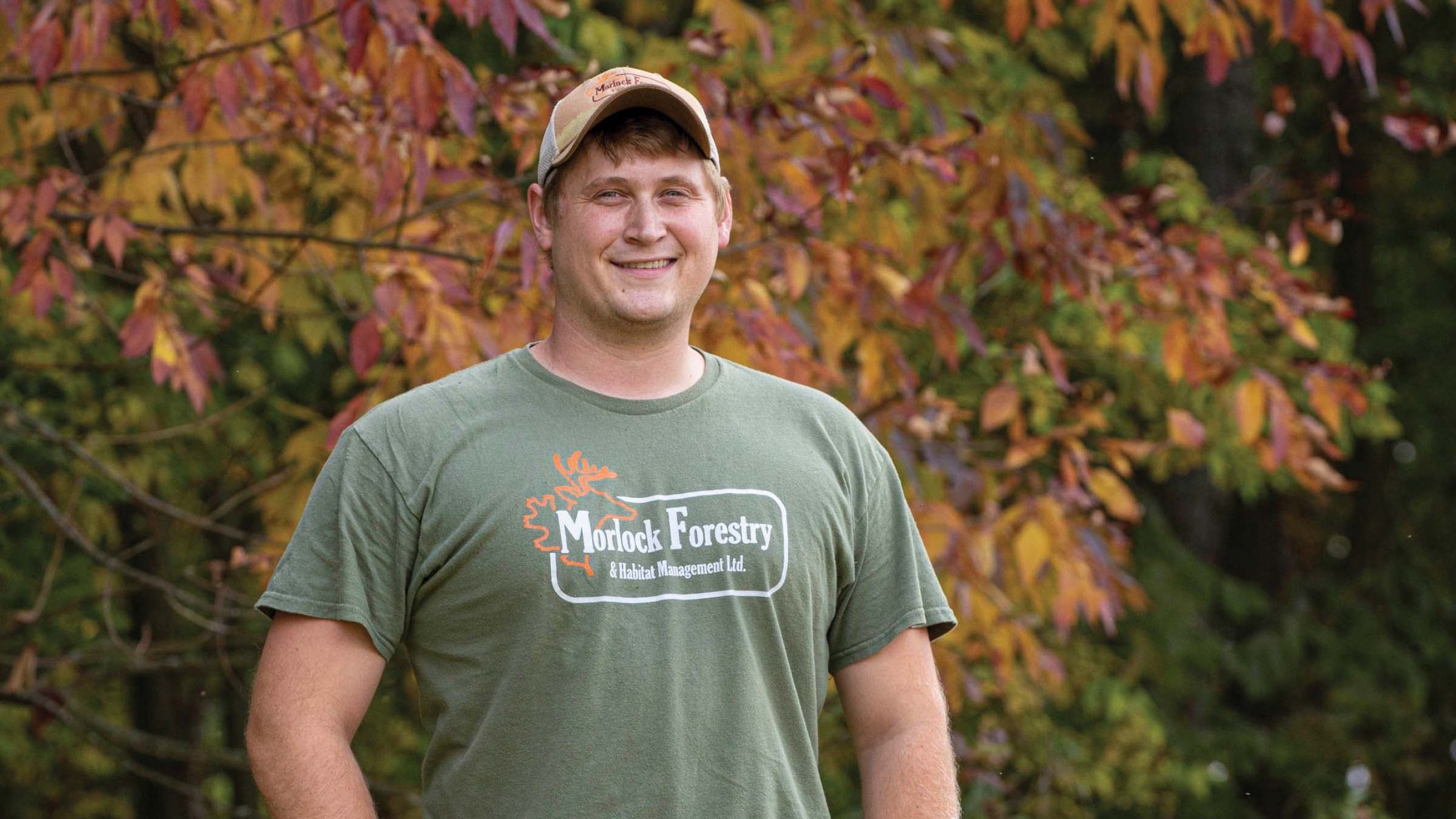
Tyler Morlock, an advocate for proper forestry management and a Wyandot County Farm Bureau group member, is leading the charge to educate farmland owners about CAUV and the benefits of responsible land stewardship.
The CAUV program is designed to tax farmland based on its agricultural value rather than its potential as a development property. Forestry is considered agriculture and therefore makes that land CAUV eligible.
Morlock has a deep-rooted background in farming. After completing his bachelor’s degree at Ohio State University, he briefly worked at the state tree nursery in Indiana but soon felt the pull to return home and pursue a career in Ohio’s forestry sector.
“I wanted to work in northwest Ohio because it’s such an underserved area,” said Morlock. “I know a lot of people who have been taken advantage of or they didn’t know they could be part of the CAUV programs. I focus on helping farmers get the most out of that back 40 that they don’t really have time to pay attention to.”
Morlock, who runs his own consulting forestry business, Morlock Forestry and Habitat Management, is dedicated to helping farmland owners unlock the full potential of their land.
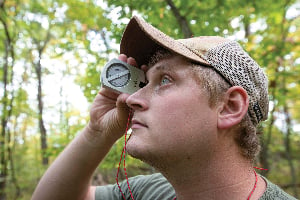
In addition, Morlock and John Kehn have spearheaded an eight-county program focused on helping farmers and county auditors learn about CAUV values and proper forestry management in northwest Ohio. These programs are specifically designed to bridge the knowledge gap and empower individuals to make informed decisions about their land.
With the help of state forestry representatives, Morlock and Farm Bureau hosted a four-county event with over 40 attendees this fall and another information session in northwest Ohio is slated for March 2024.
“I just like to give people the opportunity to see what I’m talking about because it’s hard to conceptualize everything without seeing the dollars and cents right in front of you,” he said.
The eight-county program aims to align the objectives of the CAUV auditors and create a shared understanding of the role of foresters in benefiting farmers and the environment.
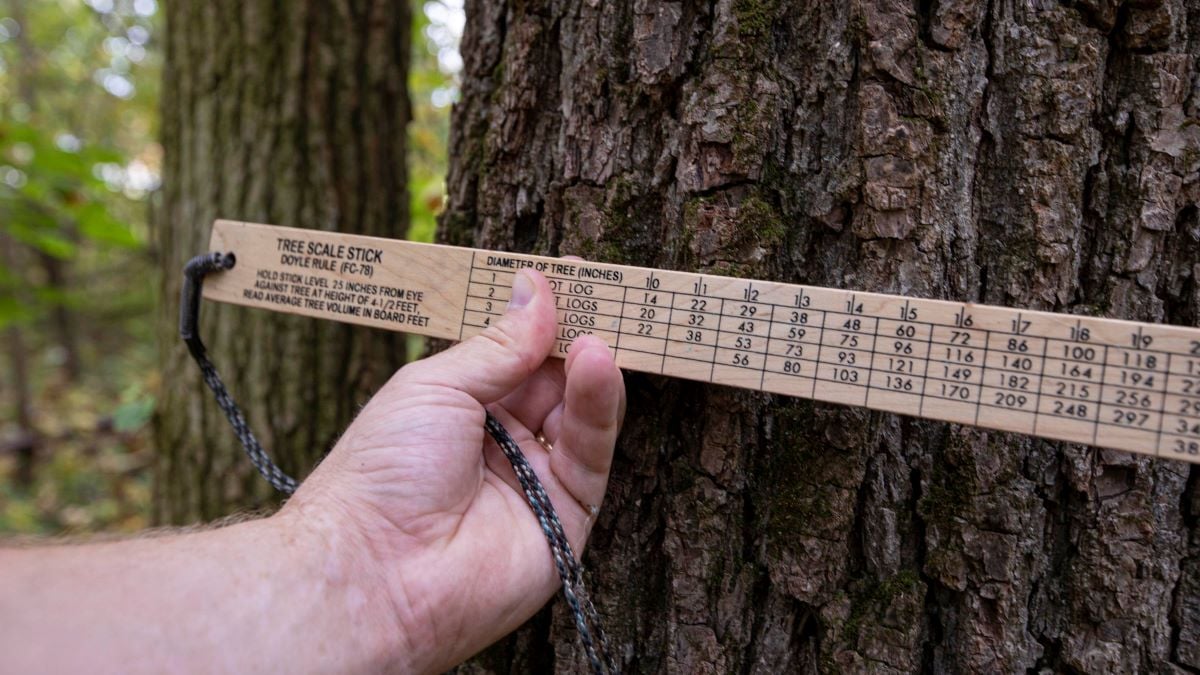
“The primary question I get is, ‘what are my trees worth?’” he said. “A good forester will tell you that it depends—and it depends on a lot of things.”
Some of those factors include tree age, condition, location, species, and market demand, which all play pivotal roles in determining a tree’s value, and this value can fluctuate significantly.
In addition to educational programs, Morlock participates in presentations and workshops for the Woodland Owners and Local Loggers Chapter, recognizing the lack of forestry resources in the region. His goal: ensuring landowners are well-informed about programs like CAUV and cost-sharing initiatives.
Morlock is also investing in educating the next generation, collaborating with organizations such as FFA to raise awareness about careers in forestry, and connect the relationship between agriculture and forestry.
Forestry, along with farming and fishing, is listed among the projected fastest-growing industries in Ohio, with a growth rate of 3.2% anticipated between 2020 and 2030, according to the Ohio Bureau of Labor Market Information. Jenna Reese, the executive director of the Ohio Forestry Association, attributes some of this growth to the construction boom during the COVID era, which spurred demand for hardwood products.
“The construction boom of the COVID-era dramatically increased demand for hardwood products to furnish new homes,” Reese said. “While that bubble has largely burst, we continue to see a strong demand for Ohio’s forest products, specifically staves for bourbon barrels, hardwood furniture, flooring and millwork.”
Ohio’s forest products industry has an impressive annual revenue of over $30 billion, making it a substantial contributor to the state’s economy.
“The forest products industry is completely supplied by the voluntary forest management decisions of Ohio’s families and public forests,” Reese said. “Forest management and sustainable harvests go hand-in-hand. You can’t have one without the other, presenting a benefit and challenge to growth.”
Landowners in Ohio play an important role in shaping the future of the forest products industry. Their responsible forest management decisions today will have far-reaching impacts on forest health, carbon capture, and timber harvests for generations to come.
Several programs, including EQIP and CRP, offer financial support for forest management practices, ensuring that landowners have the necessary resources to make responsible decisions for their properties.
Consulting foresters, like Morlock, are great resources for those seeking additional information. Reese also recommends exploring resources such as The Ohio Master Logger Program through OFA, The Ohio Tree Farm Program through the American Tree Farm System, SEOHIOWOODS, Ohio Woodland Stewards Program, and Service Forestry within the ODNR Division of Forestry.
“The decisions landowners make today will radically improve the future landscape, bless future generations, and dictate Ohio’s forest products in 100 years,” Reese said . “It is the most impactful legacy plan you can have.”
There are different types of foresters, each with unique roles:
Photos by Dave Liggett


Members have three ways to apply: contacting a certified agent, calling 833-468-4280 or visiting ohiofarmbureauhealthplans.org.
Read More
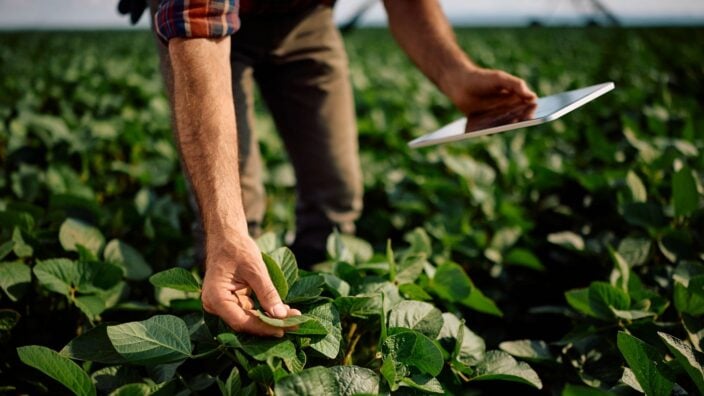
Founded by farmers in 1926, Nationwide has grown into a trusted partner for the agricultural community while staying true to its roots.
Read More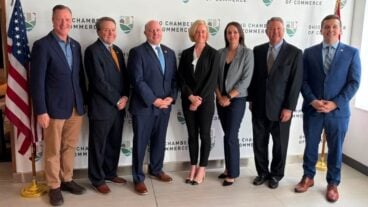
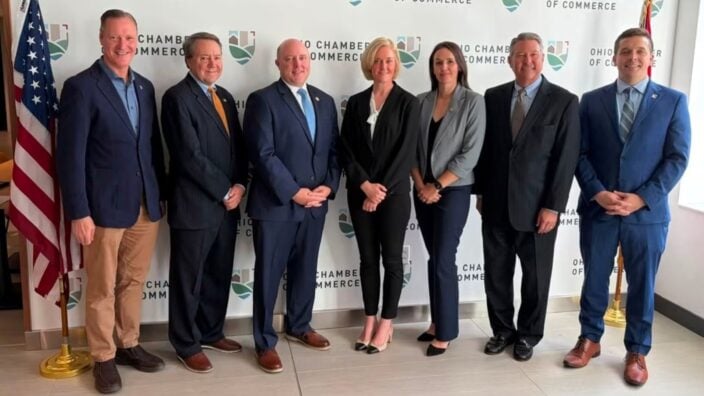
Five of Ohio’s leading business organizations, including Ohio Farm Bureau, announced support this week for Justice Dan Hawkins and Colleen O’Donnell in the 2026 elections for the Ohio Supreme Court.
Read More
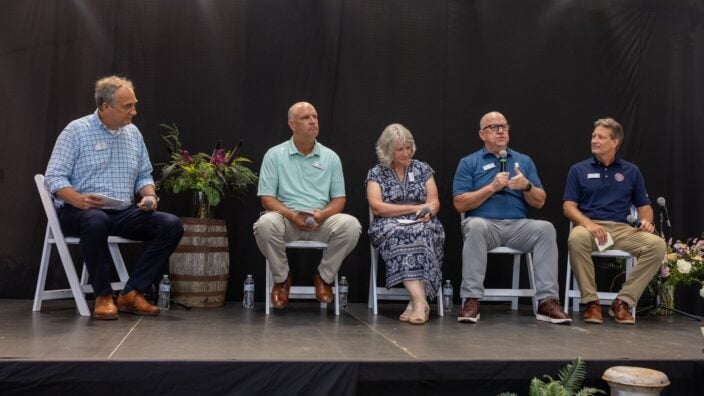
The 16th annual Cultivating a Cure welcomed more than 320 attendees and raised $151,053 to support cancer treatment and prevention research.
Read More
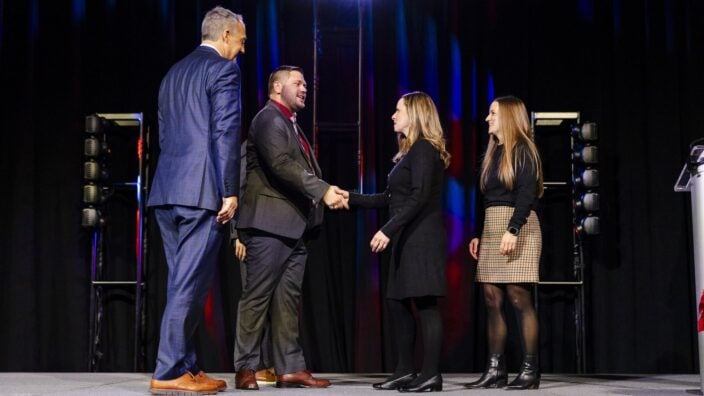
Ohio Farm Bureau is accepting applications for the Discussion Meet, Excellence in Agriculture, and Outstanding Young Farmer 2027 contests.
Read More
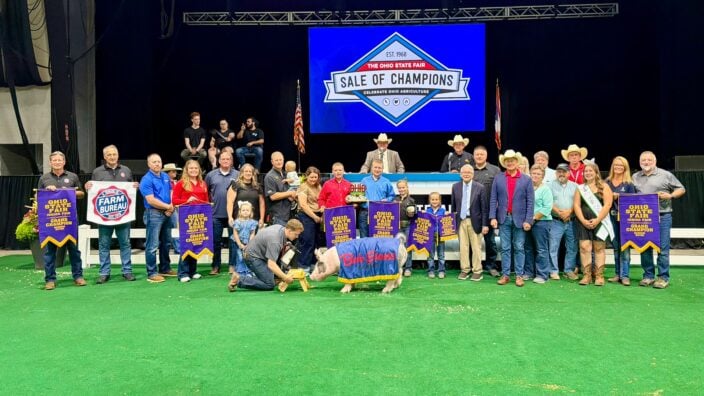
At the 2026 Sale of Champions, Ohio Farm Bureau, along with partners Bob Evans Farms and Nationwide, purchased the Grand Champion Market Barrow exhibited by Parker Elchinger of Henry County.
Read More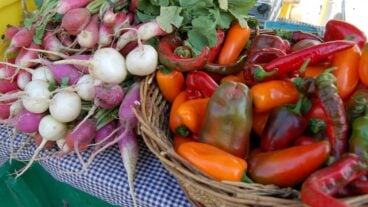

Ohio Farm Bureau and the Ohio Produce Growers and Marketers Association are encouraging Ohioans to support local fruit and vegetable growers while following recommended food safety practices.
Read More
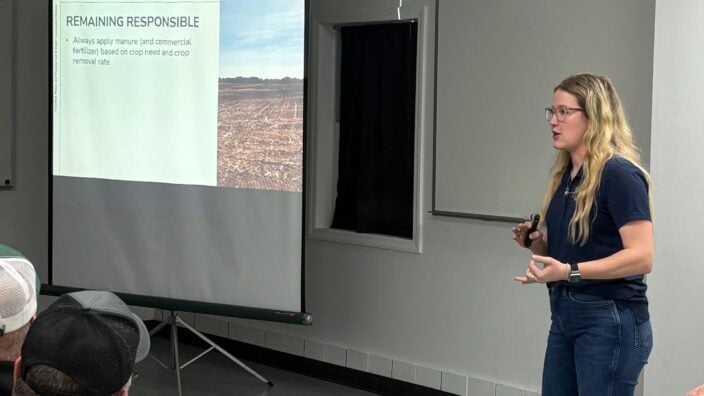
Meet Hannah Ziegler, nutrient management technician and social media content creator for Crawford and Wyandot Soil and Water Conservation Districts.
Read More
Ohio Farm Bureau supports responsible economic development and will continue to advocate for policies that protect Ohio’s water resources, farmland and rural communities.
Read More
Dr. Ian Sheldon joins the podcast to explain the history of USMCA, what recent decisions mean for the agreement and why its future matters for Ohio agriculture.
Read More