


Ohio Farm Bureau Podcast: What Landowners Should Know About Easements
Ryan Conklin of Wright & Moore Law continues our conversations on land transactions, discussing easements and what landowners should know before making a decision.
Read MoreBy Chase Rodemann, paralegal; and Evin Bachelor, attorney
When it comes to your farm surviving a transition to the next generation, your heirs’ ability to work together can make or break the process. Unfortunately, it is all too common for there to be differing opinions among children or farm heirs as to how this transition should take place. Often, the differences lie between on-farm heirs and off-farm heirs.
Before we discuss those differences, it’s important to acknowledge the difference between equal and equitable distributions. While equal distributions might seem fair on paper, they might not be representative of effort put in by family or farm employees over the years. Off-farm heirs receiving a 50% interest in a business despite never working for the farm could lead to operational issues on the farm, poor decision making, or legal disputes among the parties.
Farm families often apply the philosophy of “sweat equity” – time on the farm over the years should be considered when it comes to distributing the inheritance equitably. However, leaving the farm-related assets to a select number of individuals can lead to a shortage of assets available to distribute to off-farm heirs. With the farming assets likely to make up the bulk of your net worth, it can be a challenge to fund an intended inheritance for off-farm heirs.
There are planning strategies that allow farm families to address this. The possible solutions depend on the dynamics of your farm and your financial situation. For example, the most straightforward way to achieve a balanced inheritance for the heirs would be supplementing the off-farm heirs with cash, matching the value of the farm-related assets received by on-farm heirs.
Another simple solution for on-farm and off-farm heirs that get along is to create an LLC that they would run together, allowing both groups of heirs to share the value of the LLC equitably as the farm continues to grow. This, of course, relies on heirs who work well together. Furthermore, this option makes sense for an asset holding business, but less so for a business that has daily operations.
If there are limited off-farm assets, or if the heirs are prone to conflict, this can complicate a distribution plan. Fortunately, there are options to ensure the operation will be in the right hands while off-farm heirs receive their intended inheritance.
One way to combat this is to separate your land and your operation into two separate LLCs, an operating LLC and a land-holding LLC. Land rent can be paid to the land LLC from the operating LLC. While on-farm heirs would run the operating LLC, off-farm heirs would own the land LLC. This land-holding LLC can pay out cash to the off-farm heirs until they receive their share of the inheritance. Once the off-farm heirs’ intended inheritance has been paid out, then the rent paid to the land LLC can be used to build up cash reserves for the farm.
A second way to ensure equitable distributions between on-farm and off-farm heirs would be to include a buyout provision for the farm through a trust. A buyout provision allows off-farm heirs to receive cash for the portion of the business they inherited. On-farm heirs can run the operation, and off-farm heirs receive the buyout through a payment plan. To complete the buyout, on-farm heirs would make payments to off-farm heirs until they receive the value equal to the portion of the business they inherited. This buyout can take place over several years or decades, to ensure sufficient cash flow while the payments are being made.
Conflict among family members and possible heirs threatens the farm’s survival. If needed, farm families are encouraged to explore planning strategies to supplement off-farm heirs, supporting a smooth and efficient transition. Consult with farm succession professionals who can help you determine plan components that will promote a strong farming operation for years to come.
Wright & Moore Law Co., LPA has a rich heritage in Ohio agriculture. Since 1988, our firm has proudly assisted farmers, rural residents, and landowners from all over the state with their farm succession planning and agricultural legal needs. We would be happy to discuss your family goals and how to meet them. To learn more about Wright & Moore or schedule a meeting, call 740-990-0750 or visit OhioFarmLaw.com




Ryan Conklin of Wright & Moore Law continues our conversations on land transactions, discussing easements and what landowners should know before making a decision.
Read More
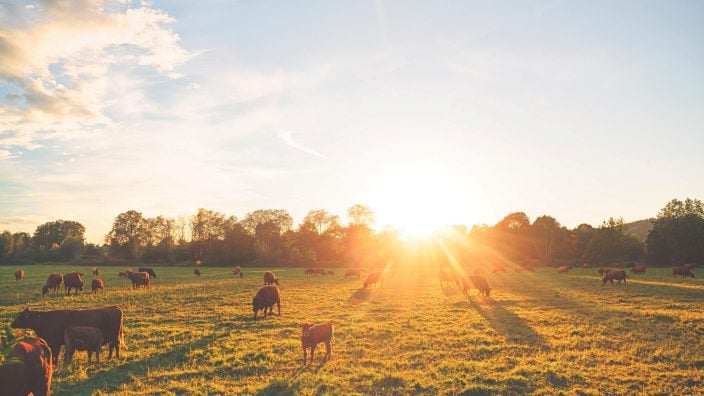
Conflict among family members and possible heirs threatens the farm’s survival. Possible solutions depend on the dynamics of your farm and your financial situation.
Read More
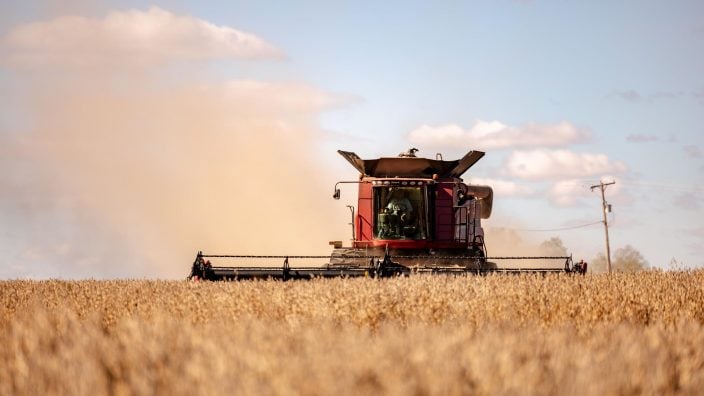
A lot of factors and personal goals can go into this decision, which we suggest discussing with your farm succession team.
Read More
In 2022, Ohio passed House Bill 397 to give farmers more security by standardizing farm lease terminations. The law helps, but only a comprehensive written lease ensures your rights when circumstances shift.
Read More
Get a 2025 estate tax outlook and find out what the farm income outlook for this year on this Ohio Farm Bureau Podcast.
Read More
An attorney from Wright and Moore discusses what he thinks is missing from farmland lease termination law and what members voted to do about it.
Read More
To ensure that your farm and family receive competent guidance, proactive scheduling will be critical in the early part of 2025.
Read More

Family matters can get messy, especially when a new member joins that family. How are those details ironed out and why is the process so important? Learn more about that and Ohio electricity’s future.
Read More
Making legal plans before a new farm partnership of any kind starts is the topic of discussion with Wright and Moore for this Ohio Farm Bureau Podcast.
Read More

Why are “Legal Deserts” a problem and what is being done to give rural Ohioans more legal representation? Find out on this Ohio Farm Bureau Podcast from experts at Wright and Moore.
Read More