

Action Alert: Private property rights are under attack
Ohio must not make it easier to seize residents’ property for data centers or other projects.
Read More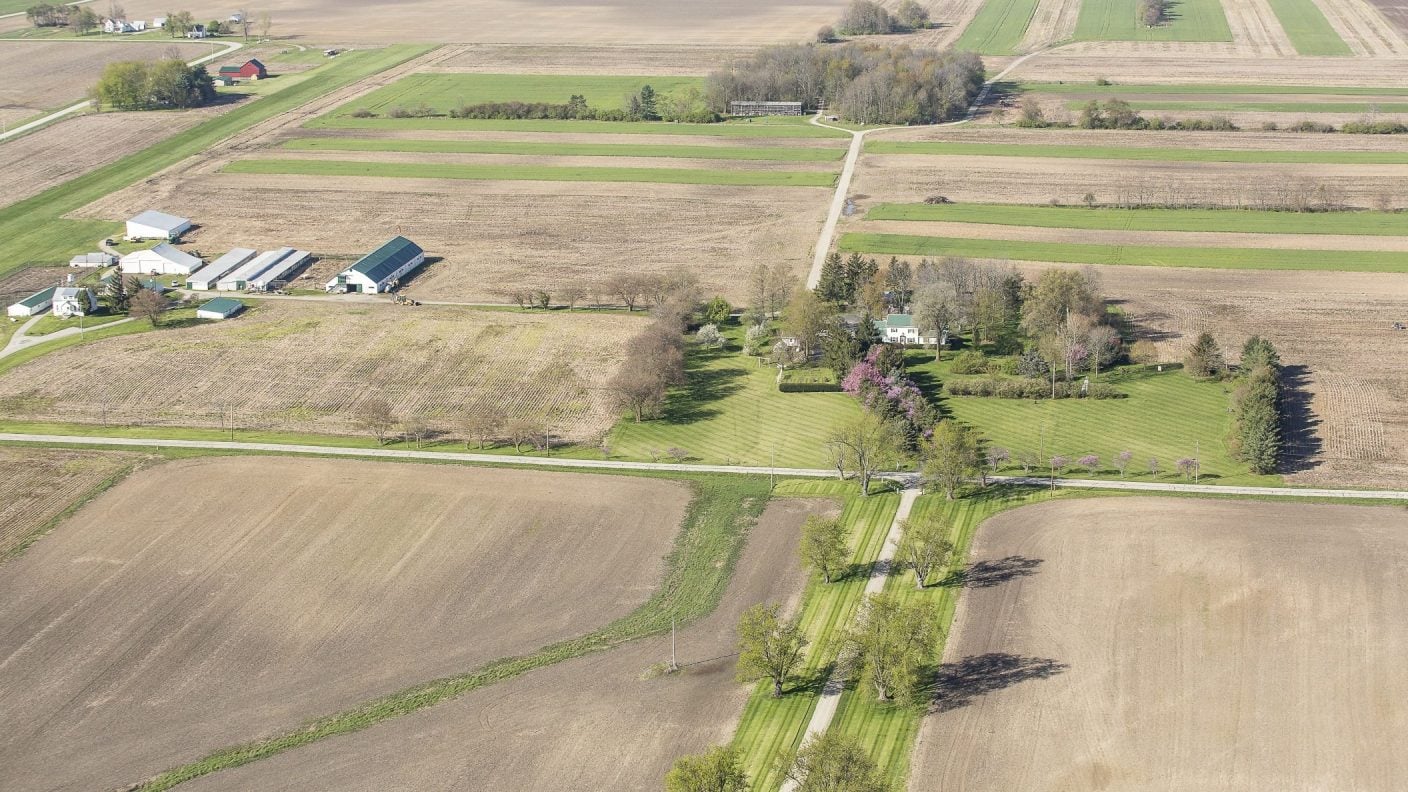
Ohio Farm Bureau recently testified before the Joint Data Center Committee, sharing members’ concerns about the rapid growth of data centers across the state and the long-term impacts on agriculture and rural communities.
“We fully recognize that the technology we use in modern agriculture could not exist without data centers and other related technological advancements. However, the amount of agricultural land and other resources (water, utility-scale power generation, energy transportation infrastructure, and access to natural gas for on-site, ‘behind the meter’ generation) that are being devoted, or rather committed, to these projects has raised many concerns and questions among our members across the state,” said Evan Callicoat, director of state policy for Ohio Farm Bureau.
Ohio Farm Bureau supported the creation of the Joint Data Center Committee and appreciates the General Assembly’s efforts for thoughtful policy discussions around data centers and their role in Ohio’s future. The organization also was encouraged to see Gov. Mike DeWine’s decision to pause new tax incentives for data centers until the committee concludes and presents potential policy solutions.
As Ohio Farm Bureau continues to engage at the state level around land use, water quality, and energy, members also are calling for greater transparency and local engagement in the development process. In order to protect Ohio’s vital agricultural economy and rural communities, Ohio Farm Bureau supports local residents and landowners’ opportunity to understand and engage in discussion before major decisions are made.
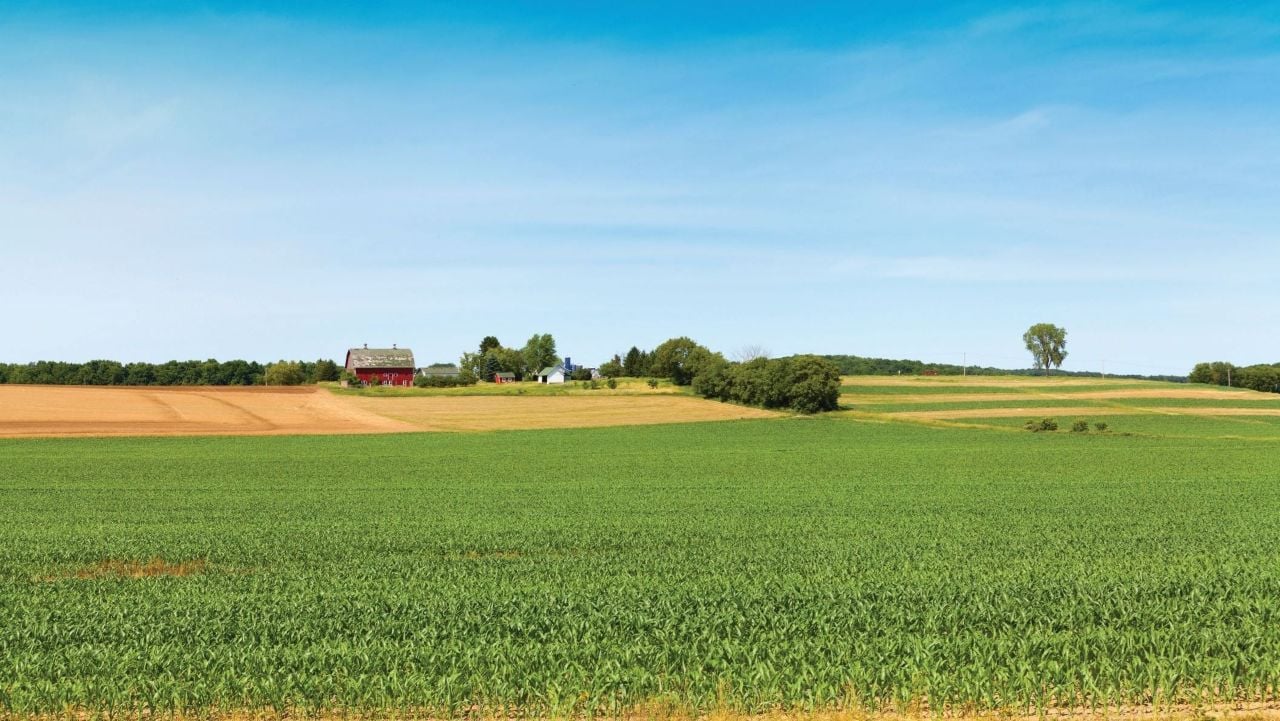
Farmland loss remains one of the top concerns raised by Ohio Farm Bureau members. According to USDA data, Ohio has lost nearly 1 million acres of farmland over the past 20 years. Any land that is developed, regardless of what it’s converted into, is nearly impossible to return to a state of productive, agricultural use. As additional data centers, and development projects, are proposed across the state, members are urging policymakers to pursue smart growth strategies that balance economic development with the protection of prime farmland, natural resources and landowner rights.
As the General Assembly continues to discuss data centers, and the Joint Data Center Committee talks through potential policy, Ohio Farm Bureau will remain engaged with lawmakers and other interested parties.
“It is imperative that Ohio establish responsible guardrails that maximize benefits for local communities while minimizing long-term impacts on infrastructure, natural resources and agricultural land,” Callicoat said.
For Callicoat’s testimony and questions, go to 2:53:50 – 3:08:06
Ohio Farm Bureau appreciates pause for data center tax exemption
Ohio Farm Bureau welcomes bipartisan data center study committee creation
Ohio Farm Bureau hosts member-exclusive Data Centers Webinar




Ohio must not make it easier to seize residents’ property for data centers or other projects.
Read More
Ohio Farm Bureau supports responsible economic development and will continue to advocate for policies that protect Ohio’s water resources, farmland and rural communities.
Read More
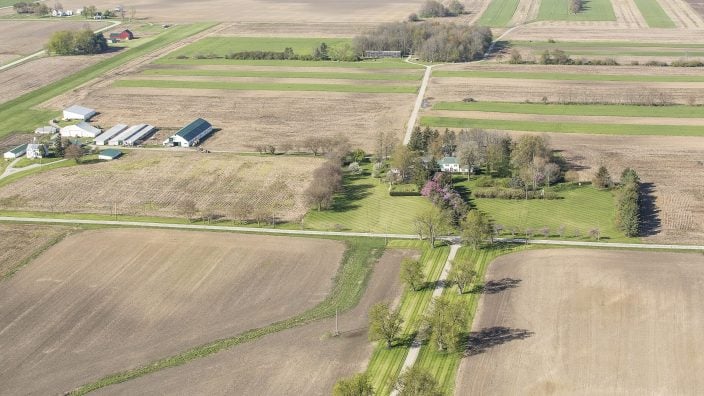
Ohio Farm Bureau shared members’ concerns about the rapid growth of data centers across the state and the long-term impacts on agriculture and rural communities.
Read More

Gov. Mike DeWine’s recent decision to pause consideration of any new data center tax exemption requests, through the Ohio Tax Credit Authority, comes as the Ohio General Assembly’s Joint Data Center Study Committee looks at the growth of data centers in Ohio.
Read More
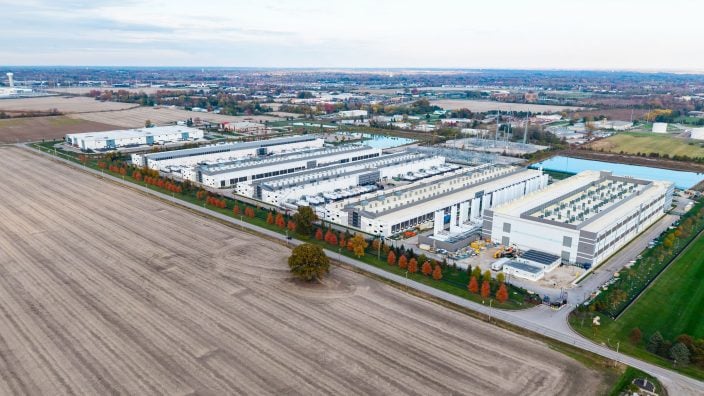
The committee will examine the rapid growth of data centers across the state and identifying potential legislative solutions before they recess.
Read More
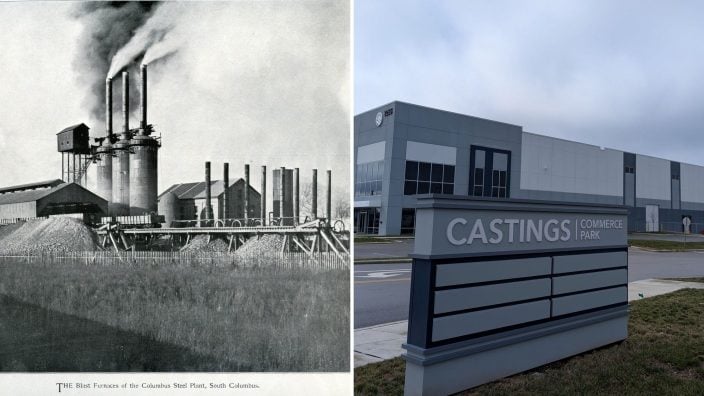
Farmland should be seen as a national resource is a view encapsulated in Farm Bureau’s recent policy supporting the creation of a national farmland preservation strategy.
Read More