



Applications for Ohio Farm Bureau Health Plans now available
Members have three ways to apply: contacting a certified agent, calling 833-468-4280 or visiting ohiofarmbureauhealthplans.org.
Read More1 Look around
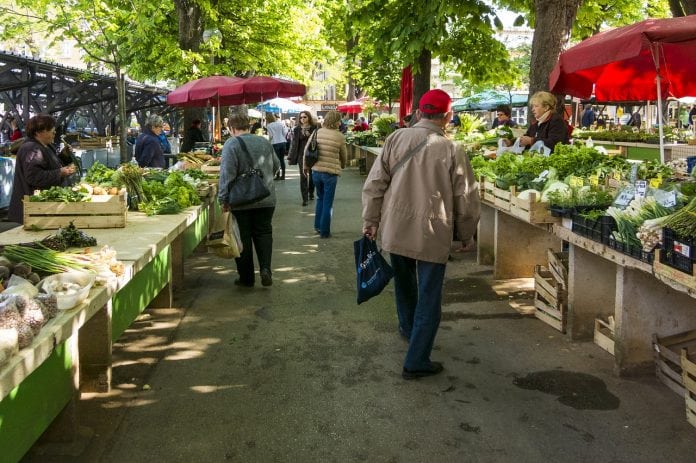
Before buying anything, take a quick loop around the grounds. Look for overall cleanliness of vendor stands, uncovered food samples, hovering insects and soiled display areas.
2 Examine produce
Do not buy bruised or damaged produce because it is prone to bacterial contamination. The exception is “misshapen” produce, which is not damaged but is unusually shaped.
3 Ask questions
Speak with the vendor/farmer about how the food was grown; check for license and registrations. “Don’t be afraid to ask questions, and if you’re not comfortable with the answers, politely move on to the next vendor,” said McDonald.
4 Raw meat
If you plan to buy raw meats or other perishable items, make sure you have a cooler loaded with ice. Separate raw meats from other foods to avoid cross-contamination.
5 Ready-made foods
Pay attention to ready-to-eat foods such as sandwiches, cut fruits and samples. Cold foods should be cold, and hot foods should be hot. Make sure food handlers have a barrier between their hands and the food during handling.
6 Unpasteurized milk
While many markets offer unpasteurized dairy products — such as raw milk and cheeses — and unpasteurized juices, McDonald advises against consuming these products.
7 Store food
After bringing your purchases home, store foods either in the refrigerator or on the counter, depending on the item. Some fruits and vegetables, such as nectarines, peaches and tomatoes, can be stored on the counter until ripe and then refrigerated. Refrigerate eggs, dairy products and meats, posthaste.
8 Before you eat
Make sure to wash produce right before using it, and cook foods to the proper internal temperature, especially meats. Egg dishes and ground meats must be cooked to 160 degrees Fahrenheit; poultry and fowl to 165 F; and steaks, chops and roasts to 145 F.
For more information for consumers on proper food handling and storage and safe cooking temperatures is available at extension.psu.edu/food-safety-and-processing.
(Farm and Dairy is featuring a series of “101” columns throughout the year to help young and beginning farmers master farm living. From finances to management to machinery repair and animal care, farmers do it all.)


Members have three ways to apply: contacting a certified agent, calling 833-468-4280 or visiting ohiofarmbureauhealthplans.org.
Read More

The 2026 Current Agricultural Use Value (CAUV) update brings lower values in many reappraisal counties and a significant policy win on permanent pasture.
Read More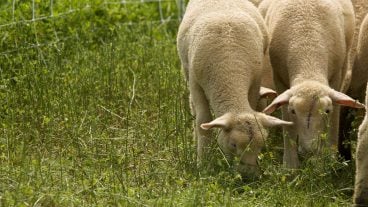
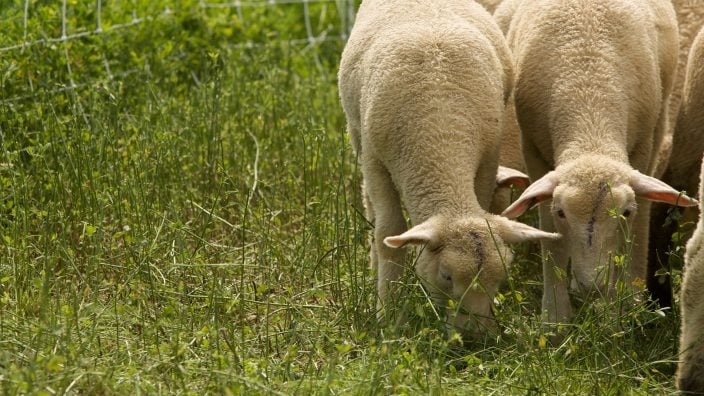
CAUV updates include a slight decline in values for counties undergoing reappraisals and a long-sought change to the valuation of permanent pastureland.
Read More

These funds will help provide scholarships, expand educational programs and strengthen initiatives that connect students and young professionals to meaningful careers in agriculture.
Read More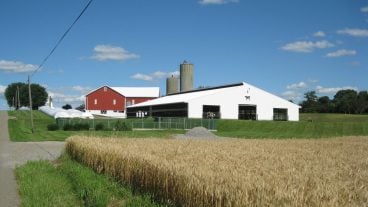
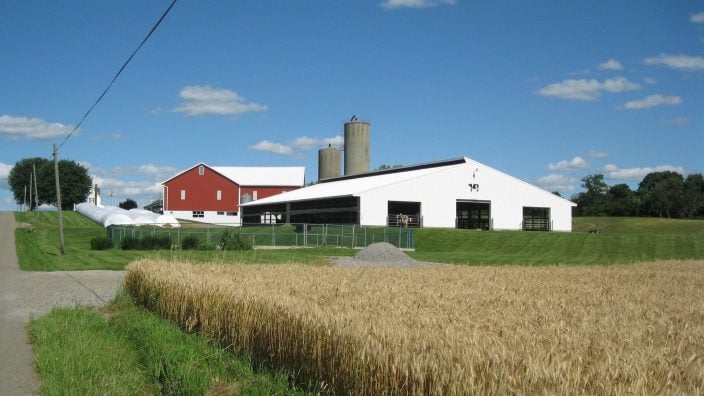
While many envision the dairy sector solely on the farm, modern agriculture relies heavily on vital, nontraditional supporting roles.
Read More
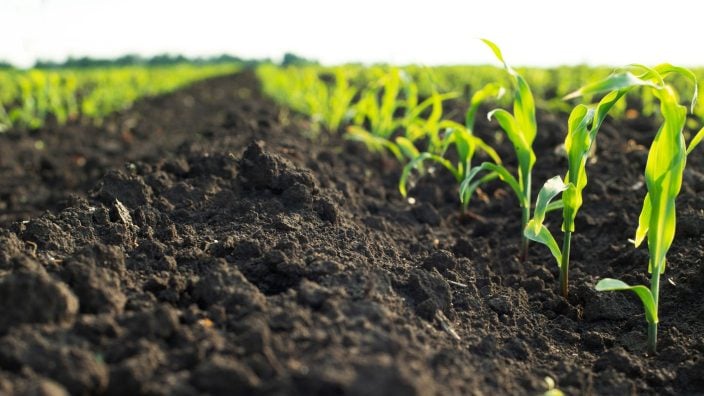
Talk to your Nationwide Farm Certified agent today to see if you’re ready to make the switch and explore what it means to your farm’s risk management strategy.
Read More
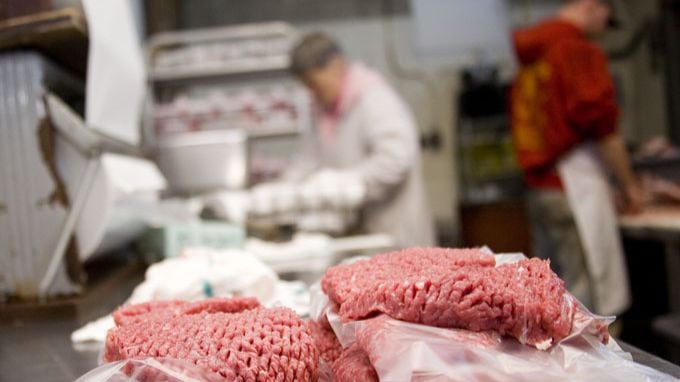
USDA is providing $60 million in support and funding opportunities for small and mid-sized meat processors across the country. Apply by Aug. 7.
Read More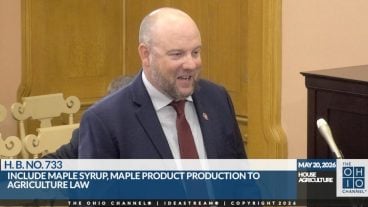
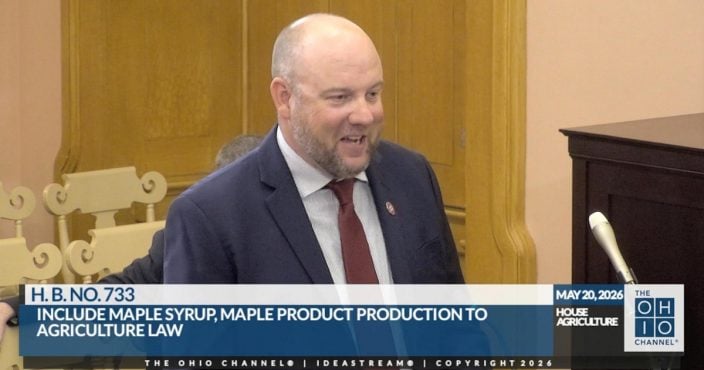
Introduced by Rep. Sarah Fowler Arthur (R-Ashtabula) and Rep. David Thomas (R-Jefferson), the bill would add trees cultivated for maple syrup production to Ohio’s statutory definition of agriculture.
Read More

Ohio Farm Bureau members receive exclusive access and discounted rates to digital tools specifically designed to maximize day-to-day productivity, simplify equipment maintenance and enhance asset protection.
Read More
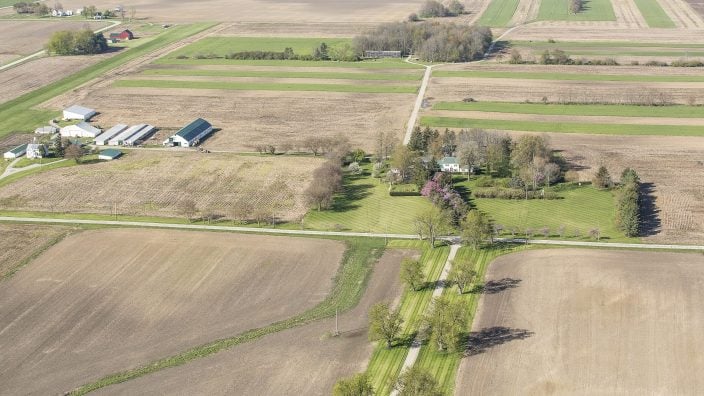
Ohio Farm Bureau shared members’ concerns about the rapid growth of data centers across the state and the long-term impacts on agriculture and rural communities.
Read More