



Butler County Grow and Know Event
Learn how to plant and pot your own herbs Wednesday, May 14, 2025 at 6:30 p.m. at Garver’s Family Farm Market.
Read MoreIs it just me, or has this seemed like the longest spring ever? As we have all been cooped up at home these past few weeks, there has been an increased interest in home gardening, so much in fact that many seed suppliers have not been able to keep up with demand. I thought it would be a good idea to revisit some gardening basics for those who are starting their first garden.
The biggest mistake I see many first-time gardeners make is trying to start a garden too early. While there are a few crops that can be planted in April, the majority of vegetables should be planted after May 15. Why May 15? That is the date when the chance of frost has most likely passed for Trumbull County. Before May 15, your best choices for starting a garden include peas, radishes, kale, spinach and other crops that can tolerate cold soil temperatures and a light frost. If you are not sure when to plant, you can always refer to the information on the seed packet.
The seed packet is going to be your best source of information that is specific to your crops and variety. Pumpkins are a perfect example of why the seed packet is so important. There are dozens of pumpkin varieties available from jack-o-lanterns, pie, decorative, big, small, ugly, and the list goes on and on. Each of these are technically pumpkins and have an ideal planting date from May into June, but their distinctive features make them a variety that will alter their maturity. Looking through my seed packets I have four varieties with differing maturities — 49 days, 90 days, 100 days and 120 days.
Ideally, I want my pumpkins to be fully mature and ripe by the end of September or early October. If they mature too early, I will be trying to carve a rotten pumpkin with my kids, or the decorative pumpkins will melt away on the porch. If I planted the 49-day maturity variety on June 1, I could expect to harvest those pumpkins around July 19. That’s way too early. For this variety, I may try to plant at the beginning of August. The 120-day pumpkin is a completely different story. If I planted those on June 1, I could expect to harvest around the last week of September. This variety I may even want to start the seeds indoors around May 15 to make sure that they have a good start going into the season. Why start indoors, and not just plant earlier in the garden? Well, pumpkins don’t like cold soil, and they will likely not germinate in the garden. How did I know that? It says it on the seed packet.
Pumpkins are one of the most extreme examples that you may encounter in your garden. For most of the gardening standards — green beans, tomatoes, zucchini, etc. you can safely plant after May 15. Cucumbers you should wait to plant until June when soil temperatures are warmer. The seed packet can also tell you if a variety is disease resistant. Zucchini, squash, cucumbers and other cucurbit varieties should be selected based on disease resistance to downy and powdery mildew. Those are the two biggest challenges you will face in northeast Ohio. Of course, if you cannot find disease-resistant varieties this year, don’t worry, you will still get a crop but it may be slightly less.
Gardening can be intimidating, but just remember that we have been gardening for thousands of years. Humans could plant a garden before we invented the wheel, so I think we will be fine. If nothing else, don’t overthink it and put some seeds in the ground and watch what happens, but you are better off to wait until May 15.
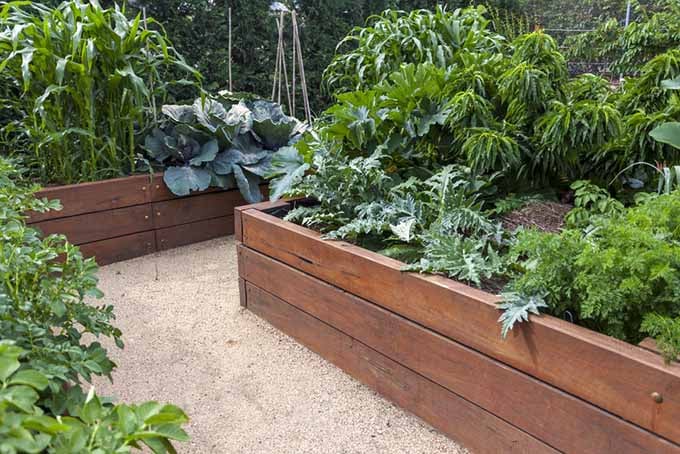
Also, don’t overthink the layout or size of your garden. Remember that whatever size of garden you choose, you will have to weed it. Starting out with a quarter-acre garden sounds great until you are pulling nutsedge for days to keep it under control. Be realistic with your garden, and only have your garden as large as you need. Your garden can be as small as a coffee can, or as big as your entire yard. Find the size that fits for you.
If you have any questions on gardening, you can still reach us at OSU Extension. We are working from home but we are able to take your calls and emails.
Take care and stay healthy.
Submitted by Lee Beers, OSU Extension Educator, Trumbull County. He can be reached by email.
Ohio Farm Bureau Mission: Working together for Ohio farmers to advance agriculture and strengthen our communities.


Learn how to plant and pot your own herbs Wednesday, May 14, 2025 at 6:30 p.m. at Garver’s Family Farm Market.
Read More
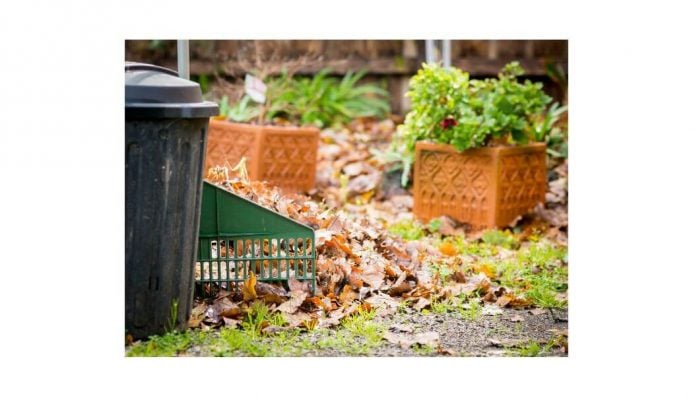
Sometimes the best course of action is nothing at all. Leave the leaves, forget the garden, and compost the decorations.
Read More
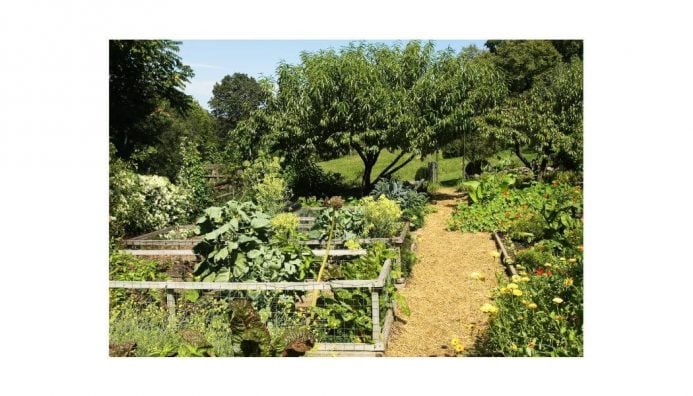
If you have any questions about your gardens, OSU Extension and the Trumbull County Master Gardener Volunteers are here to assist.
Read More
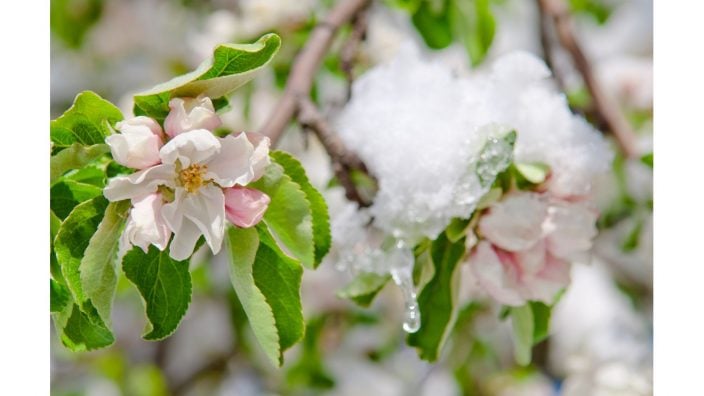
Weather patterns like we are experiencing this year increase the risk of loss for fruit and ornamental crops.
Read More
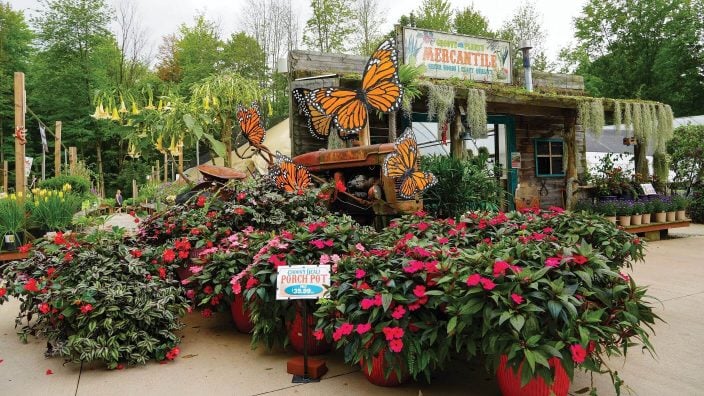
Groovy Plants Ranch is a retail store and tourist mecca with a huge emphasis on unique and unusual plants.
Read More
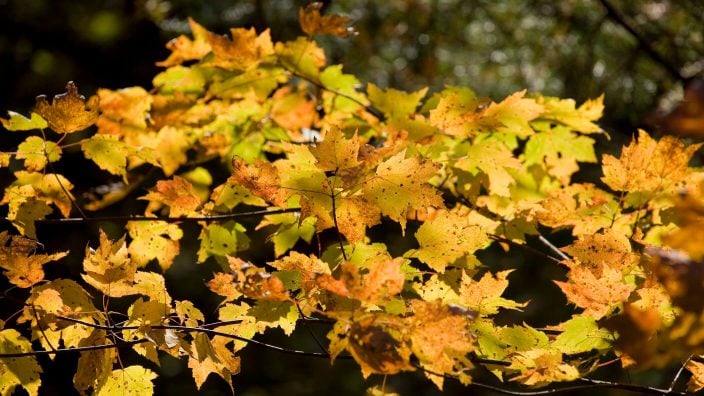
Whatever method you choose, understand there is no right way or wrong way to handle leaves each fall.
Read More
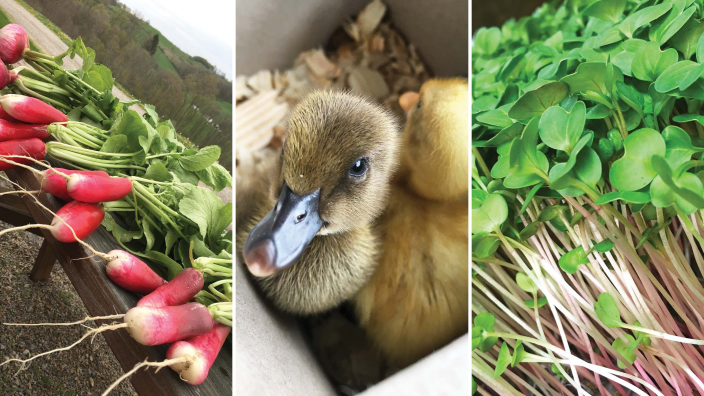
Hard work, dedication and concern for others aren’t quaint concepts at Olde Tyme Farms. These principles helped the 20-acre chicken,…
Read More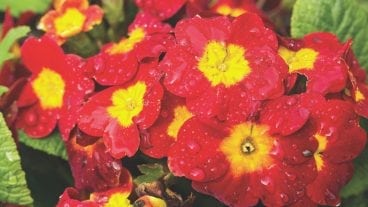
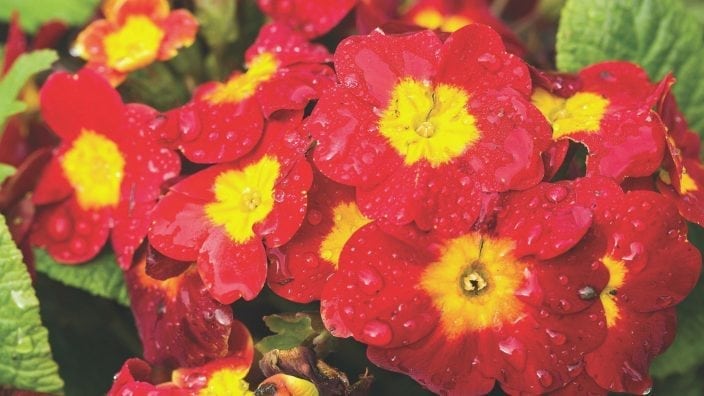
Gold pocket watches, delicate china and heavenly scented flowers are among the heirlooms passed along from one generation to the…
Read More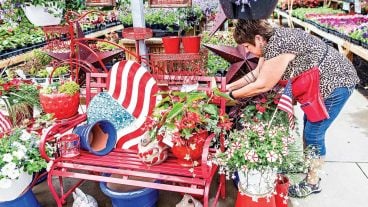
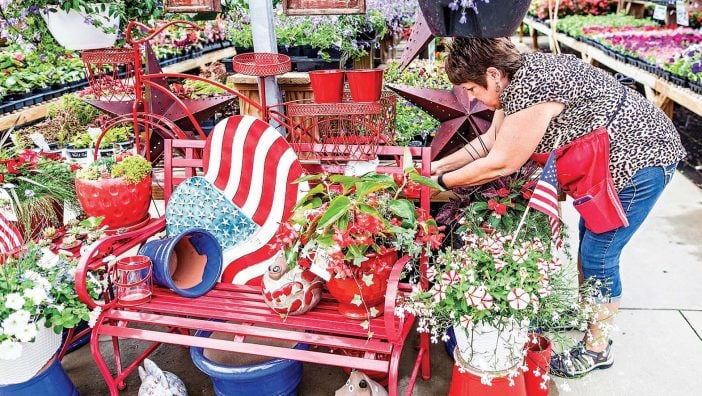
A buzz of activity surrounds the lead-up to Memorial Day for nurseries and greenhouses, like bees hovering around the bright…
Read More

In real estate — and home gardening — one thing to remember is location, location, location. The ideal garden spot…
Read More