




Butler County Grow and Know Event
Learn how to plant and pot your own herbs Wednesday, May 14, 2025 at 6:30 p.m. at Garver’s Family Farm Market.
Read MoreHello, everyone.
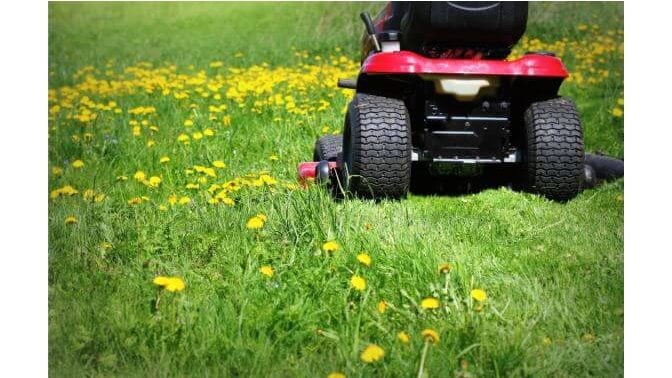
Although it may be a little chilly, I am guessing many of you have started your seasonal yard and lawn work. While I was out looking over our yard and landscape last weekend when the weather was nice, I was able to take a good inventory of the issues I need to correct this year. It is a long list — reseed bare spots from fall armyworm damage, control ground ivy, fix some damaged areas from plowing snow, fill in some low areas and the list grows larger the more I look at my yard. If you find yourself in a situation like mine, hopefully some of the pointers below will help you have a great lawn this year.
First, make an inventory of the issues that need to be addressed. This will help prioritize where to start. I suggest making repairs to any ruts, torn sod or areas that will require disturbing the current sod first. Bare soil is a great place for weeds to germinate, and getting those planted to grass as soon as possible will help with weed control. It’s still a little bit too early to plant grass seed, so taking the time now to prep the soil will allow you get the seed planted in a couple of weeks.
Typically, you should plant grass seed when the soil temperatures are 60 degrees or above. You can measure this with a kitchen thermometer in the top two inches of soil. For small areas, simply spreading the grass seed by hand and raking into the soil will work well. Make sure the area stays damp so the new seedlings don’t dry out.
If you have a larger area that needs to be reseeded, you can take a few approaches — overseed, renovate or nothing. Unless you have severe damage, I usually recommend overseeding. The overseeding approach is just as it sounds, applying seed over / in your existing lawn to increase grass cover. Overseeding does not require any large equipment and can vary from spreading grass seed over the lawn alone, following with an aerator or roller, or by renting an overseeder. Generally, any practice that will increase seed contact with the soil will have a higher success rate, and that is why I recommend an overseeder for many situations.
I suggest first to control any of the lawn weeds with either a weed-and-feed product, or a lawn-weed killer before overseeding. By removing the weeds first, the new grass seedlings will have less competition for sunlight, water and nutrients. When using lawn-weed killer or weed-and-feed products, be sure to apply the correct amount listed on the label. More is not better and may damage your existing grass. Ground ivy, also called creeping Charlie, can be difficult to control, so give me a call if you are struggling with this weed.
If you are willing to live with weeds and provide a little more food for the bees, the “do nothing” approach may be a little more unsightly but is always an option. Weeds likely will fill in the bare patches with clover and ground ivy providing some nectar for our bees. Not to mention this is the easiest and least expensive approach.
I always recommend soil testing every three years to provide information on soil pH, nutrient levels, and recommendations to keep your grass healthy and growing well. Soil testing is the only way to accurately know your soil pH AND how much lime / sulfur you need apply.
The soil pH meters sold in garden centers are not accurate and should be used as a novelty only. Higher pH soils will favor clover, and lower pH soils will reduce the vigor of your grass. Most lawns do not need phosphorus or potassium, but if they are limiting grass growth, it may be necessary to make an application. You can purchase a soil test kit through our office (order online) or from several local garden centers. Soil tests are $14 each in our office, or $12 each if you buy three or more. It does not matter where you purchased your soil test, we can offer assistance in interpreting the results.
Last, if you are noticing grub damage in your lawn, it likely is too late to control them with an application of insecticide. The grubs become less susceptible to the insecticides as they get older and larger. Applying insecticide now for grubs will cost you money, use your time and not offer much control for grubs. The best time for grub control is late summer when they are smaller and more likely to be killed with the insecticide. Any time that you use a broad spectrum insecticide on your lawn, you also run the risk of killing bees and other beneficial insects, so use it sparingly and according to the label.
If you have questions on improving your lawn, give me call and I can offer some advice to help get your lawn back in shape after our long winter. You can find more information on our upcoming programs and soil testing by visiting our website, checking out our Facebook page or subscribing to our weekly newsletter. If you have any questions about soil testing, anything to do with growing plants or raising livestock, give OSU Extension Trumbull County a call at 330-638-6783, or email me.
Take care, and stay healthy.
Lee Beers, Ohio State University Extension educator


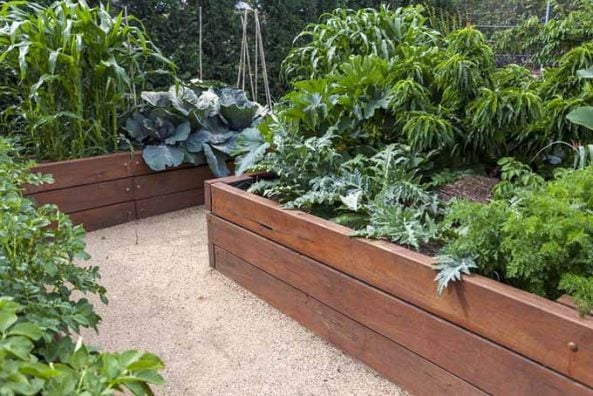
Learn how to plant and pot your own herbs Wednesday, May 14, 2025 at 6:30 p.m. at Garver’s Family Farm Market.
Read More
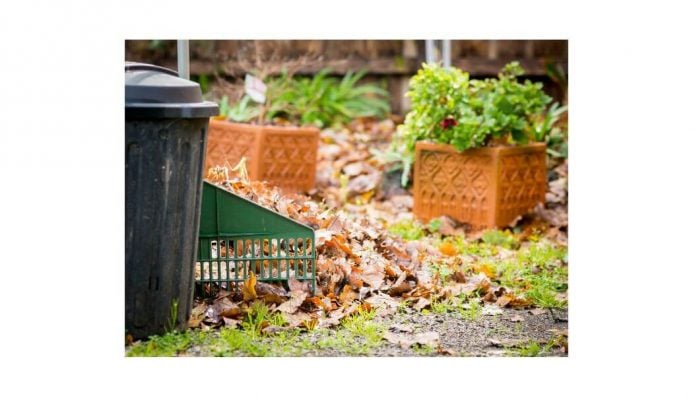
Sometimes the best course of action is nothing at all. Leave the leaves, forget the garden, and compost the decorations.
Read More
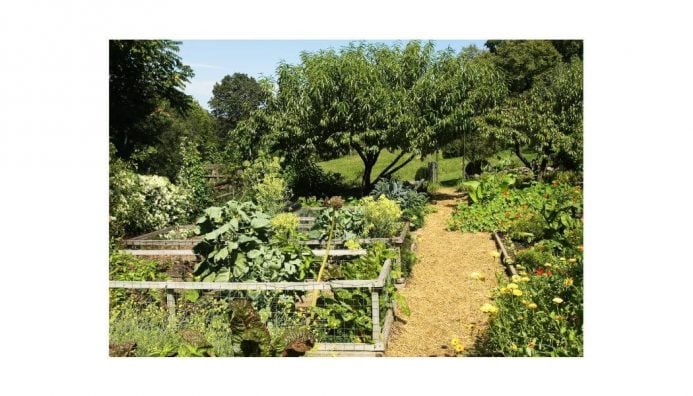
If you have any questions about your gardens, OSU Extension and the Trumbull County Master Gardener Volunteers are here to assist.
Read More
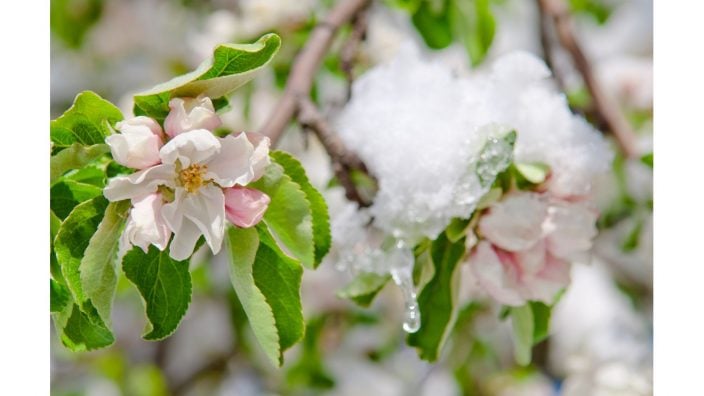
Weather patterns like we are experiencing this year increase the risk of loss for fruit and ornamental crops.
Read More
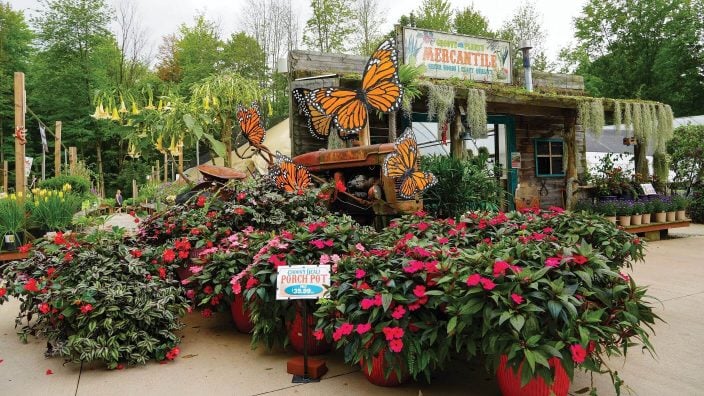
Groovy Plants Ranch is a retail store and tourist mecca with a huge emphasis on unique and unusual plants.
Read More
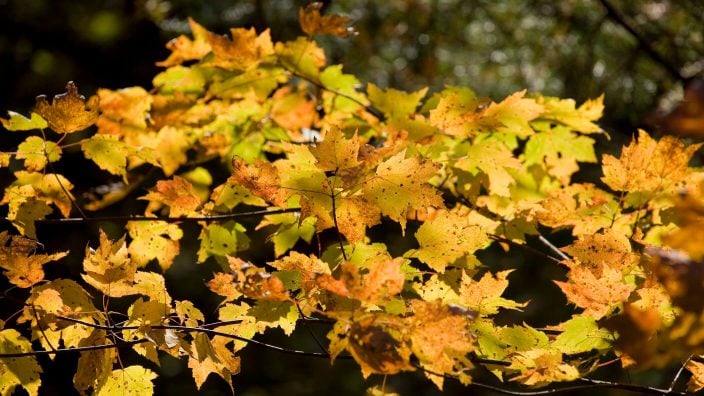
Whatever method you choose, understand there is no right way or wrong way to handle leaves each fall.
Read More
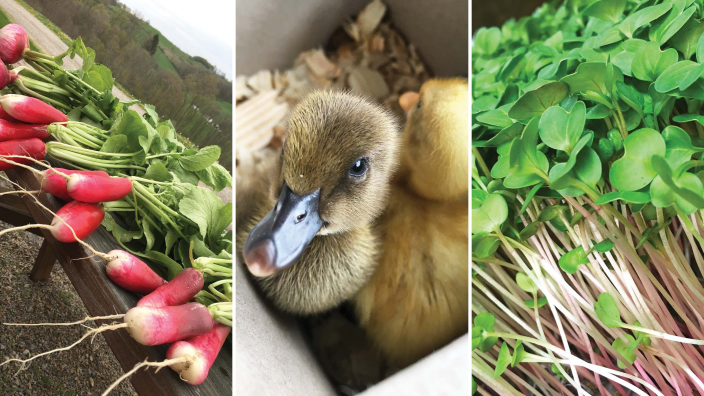
Hard work, dedication and concern for others aren’t quaint concepts at Olde Tyme Farms. These principles helped the 20-acre chicken,…
Read More
Gold pocket watches, delicate china and heavenly scented flowers are among the heirlooms passed along from one generation to the…
Read More
A buzz of activity surrounds the lead-up to Memorial Day for nurseries and greenhouses, like bees hovering around the bright…
Read More

In real estate — and home gardening — one thing to remember is location, location, location. The ideal garden spot…
Read More