



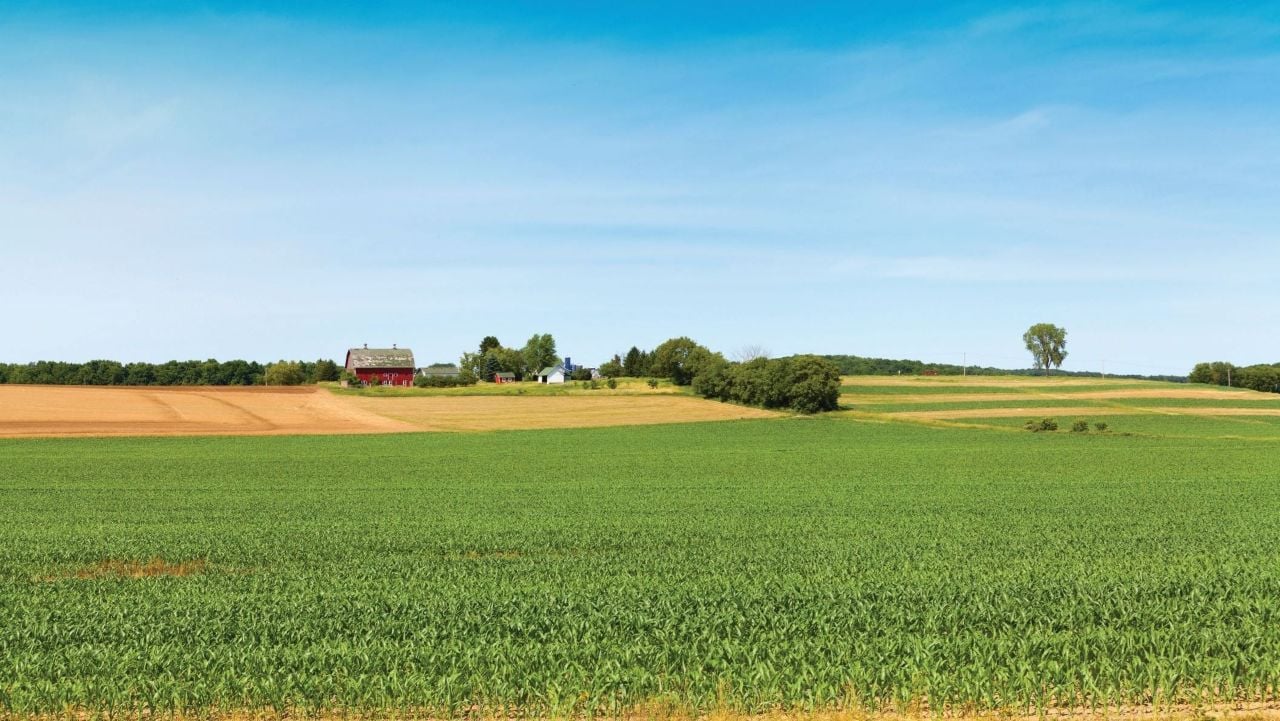


Preserving your harvest
Canning and freezing are the most common ways to preserve garden vegetables, but it’s important to follow the correct steps to preserve quality and taste, and to promote food safety.
Read MoreHello everyone; we’re in the dog days of summer, and that means high temperatures and variable rain showers.
Some parts of the county have received ample rain for crops and plants to thrive, but most have not had enough rain to meet the water needs for healthy plants. We all know that water is necessary for plants to grow, but I find that most people underestimate the amount of water that is actually needed.
As a general rule of thumb, an inch of rain each week during the summer is needed for most plants. If Mother Nature doesn’t bless us with that much rain, we may need to make up the difference with watering from wells or city water. Sprinklers are the most common tools to water gardens and landscape plants, but don’t forget to measure how much water you are putting down. You can place tuna or cat food cans throughout your garden, and once you have an inch of water in the can you can turn off the water.
For normal weather conditions, you can water multiple times each week to meet the one inch of water requirement. But, if drought conditions persist for multiple weeks, you may have more success with one large watering event. As the soil dries out, more water is needed to fill the pore space in soil that the plants can access.
Sprinklers work well, but they can be inefficient with water. Watering between the rows may be warranted for larger plants, but if you can place the water at the base of the plant next to the roots, that is preferred. Drip irrigation, soaker hoses and directed watering are better methods for getting water to the root zone. But, if you don’t want to invest in new tools, sprinklers work just fine.
Some plants, like tomatoes, let you know right away when they need water — leaves will droop and look wilted. Other plants, like Arborvitae, show less obvious symptoms. We had drought conditions in 2024 and 2025, and many Arborvitae and other perennial plants did not show symptoms until the following year. You may notice reduced growth, slow decline of the canopy or lower yield in fruit trees.
These established perennial plants are often overlooked in summer for watering. Although they may be several years (or decades) old, they may still need additional water to safely make it through the summer. Conifers, like the Arborvitae, have shallow root systems unable to access water deeper in the soil like oaks, maples and other hardwood trees.
Plants in raised beds are also more prone to drought conditions due to the elevated soil offering better drainage and increased surface area to promote drying. You may need to water raised beds more frequently.
If you’re not sure if your plants have been watered sufficiently, dig down two or three inches to feel the soil. It should feel like a damp sponge. Not soaking wet, but you should see and feel the moisture in the dirt. It takes some practice to get it right. Overwatering can be just as bad, or worse, than too little water.
As always, if you have any questions about watering or garden issues, give your OSU Extension office a call.
Submitted by Lee Beers, an assistant professor of agriculture and natural resources for Ohio State University Extension office Trumbull County and can be reached by email.
OFBF Mission: Working together for Ohio farmers to advance agriculture and strengthen our communities.



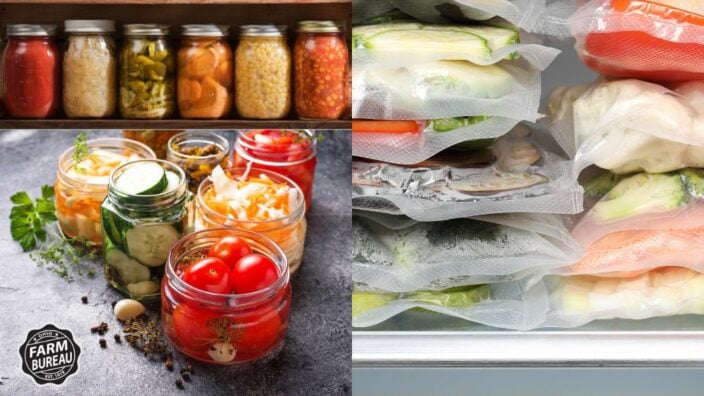
Canning and freezing are the most common ways to preserve garden vegetables, but it’s important to follow the correct steps to preserve quality and taste, and to promote food safety.
Read More
As a general rule of thumb, an inch of rain each week during the summer is needed for most plants.
Read More
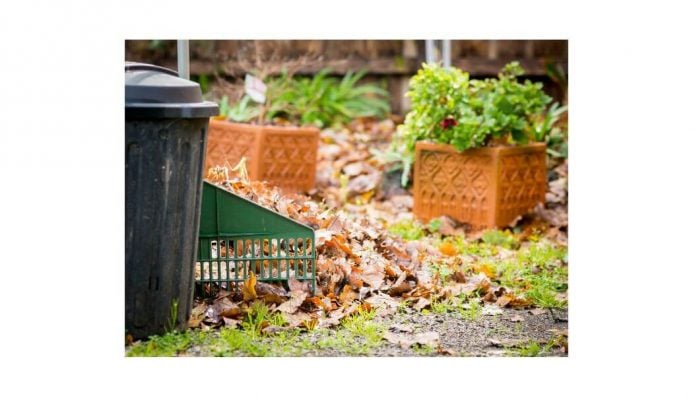
Sometimes the best course of action is nothing at all. Leave the leaves, forget the garden, and compost the decorations.
Read More
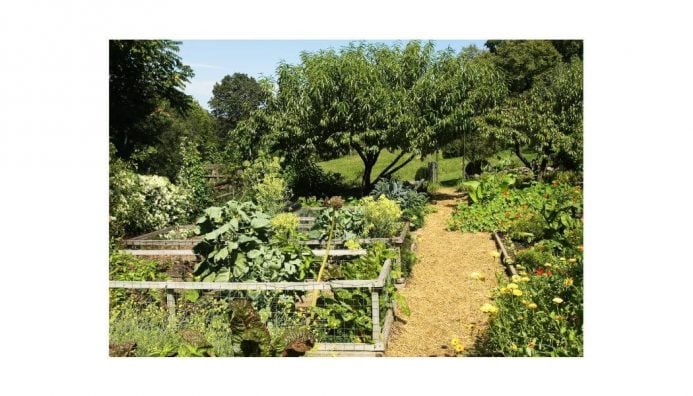
If you have any questions about your gardens, OSU Extension and the Trumbull County Master Gardener Volunteers are here to assist.
Read More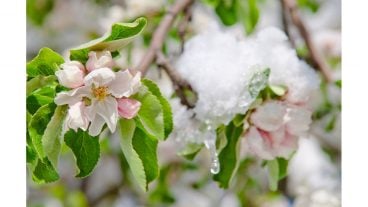
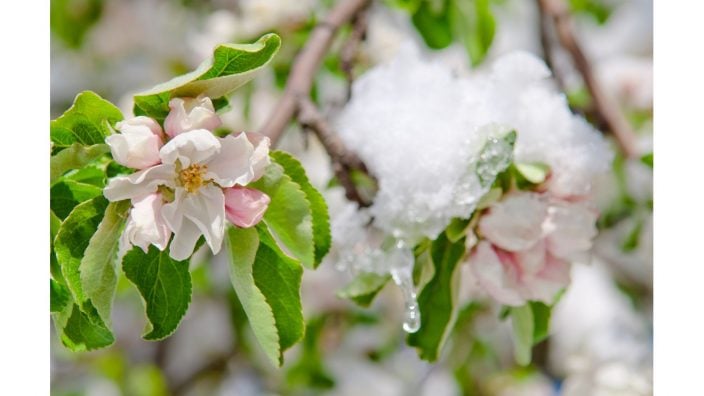
Weather patterns like we are experiencing this year increase the risk of loss for fruit and ornamental crops.
Read More
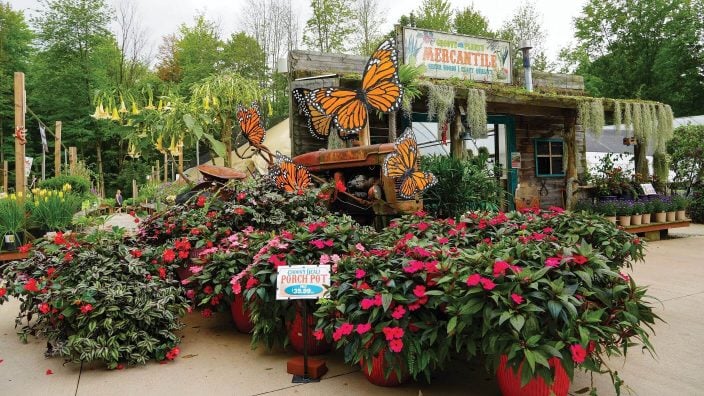
Groovy Plants Ranch is a retail store and tourist mecca with a huge emphasis on unique and unusual plants.
Read More
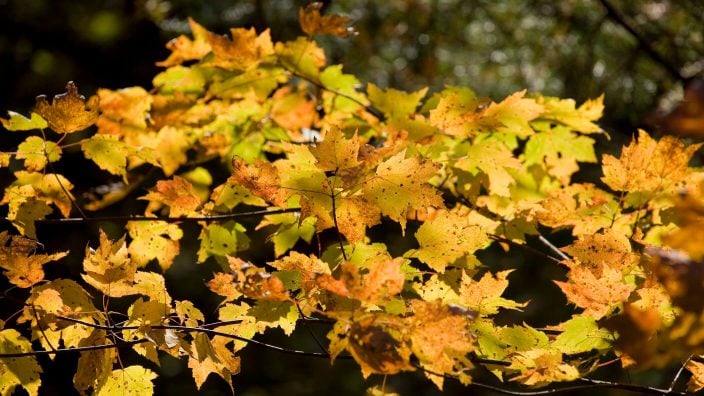
Whatever method you choose, understand there is no right way or wrong way to handle leaves each fall.
Read More
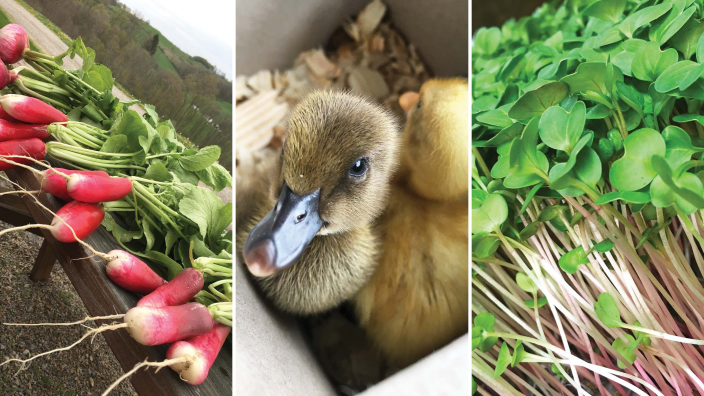
Hard work, dedication and concern for others aren’t quaint concepts at Olde Tyme Farms. These principles helped the 20-acre chicken,…
Read More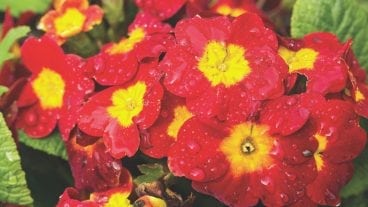
Gold pocket watches, delicate china and heavenly scented flowers are among the heirlooms passed along from one generation to the…
Read More
A buzz of activity surrounds the lead-up to Memorial Day for nurseries and greenhouses, like bees hovering around the bright…
Read More